
Waking up to a rhythmic ticking sound in your ear can be unsettling—especially when it persists. Unlike typical tinnitus, which often presents as ringing or buzzing, a ticking noise feels mechanical, almost like a clock in your head. While it's usually not life-threatening, the sensation can disrupt sleep, concentration, and overall well-being. Understanding the underlying causes and knowing how to respond can make all the difference between anxiety and reassurance.
What Causes Ticking in the Ear?
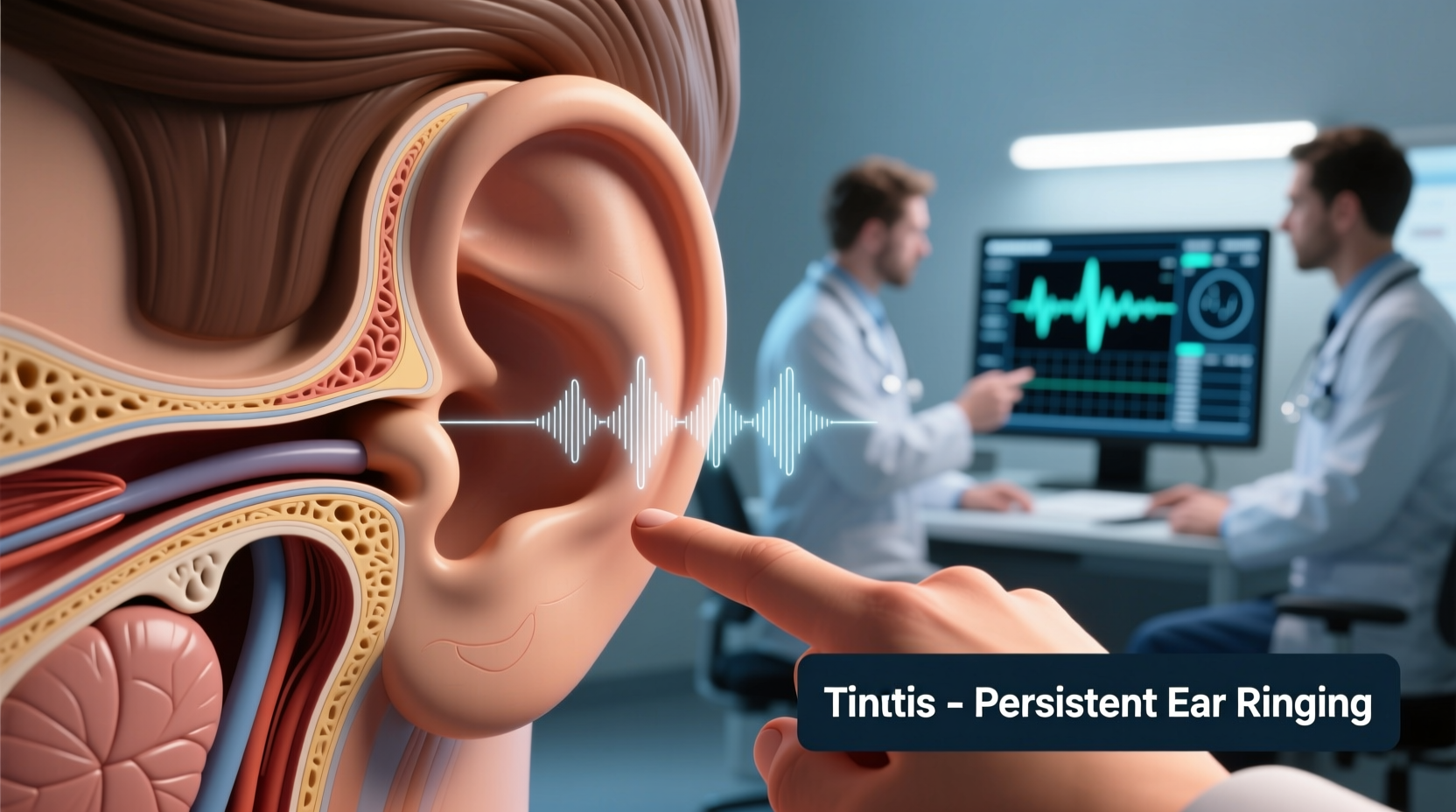
Ticking sensations in the ear are typically a form of pulsatile tinnitus—a subtype where the perceived sound is synchronized with your heartbeat or muscle movements. Unlike subjective tinnitus (heard only by you), pulsatile tinnitus may sometimes be audible to a doctor using a stethoscope. The ticking noise arises from blood flow, muscle contractions, or structural changes near the ear.
Common causes include:
- Eustachian tube dysfunction: When the tube connecting your middle ear to the back of your throat becomes blocked or inflamed, pressure imbalances can create clicking or ticking sounds, especially during swallowing.
- Middle ear myoclonus: Tiny muscles in the ear (like the tensor tympani or stapedius) can spasm involuntarily, producing repetitive ticking or fluttering noises.
- Vascular issues: Abnormalities in blood vessels near the ear—such as carotid artery disease or venous hums—can generate rhythmic sounds that mimic ticking.
- Temporomandibular joint (TMJ) disorders: Jaw misalignment or grinding can transmit vibrations to the ear, leading to clicking or ticking, particularly while chewing.
- Earwax buildup: Impacted wax can press against the eardrum, causing unusual auditory sensations including ticking.
- Anemia or high blood pressure: Thinner blood or increased flow velocity can amplify internal body sounds, making them more noticeable.
When Should You Be Concerned?
Most cases of ear ticking are benign and resolve on their own. However, certain red flags warrant prompt medical evaluation. Persistent or worsening symptoms, especially when accompanied by other neurological or auditory signs, could indicate a more serious condition.
“Pulsatile tinnitus should never be dismissed outright. While often harmless, it can occasionally signal vascular tumors, idiopathic intracranial hypertension, or arterial malformations.” — Dr. Lena Patel, Neurotologist at Boston Hearing Institute
Symptoms that require urgent attention include:
- The ticking is only in one ear and has suddenly appeared
- You experience dizziness, balance issues, or hearing loss
- The sound pulses in time with your heartbeat and grows louder
- You have a history of high blood pressure or stroke risk factors
- Headaches, vision changes, or nausea accompany the noise
Step-by-Step: What to Do If You Hear Ticking in Your Ear
If you begin noticing a ticking sound, follow this practical timeline to assess and manage the situation effectively.
- Monitor the pattern (Days 1–3): Keep a log of when the ticking occurs—during rest, after meals, while moving your jaw—and note any triggers.
- Check for obvious causes: Look for signs of congestion, recent colds, or excessive earwax. Try gentle techniques like yawning or chewing gum to open the Eustachian tubes.
- Reduce contributing factors: Limit caffeine, alcohol, and salt intake, which can affect blood flow and fluid retention.
- Try TMJ relief methods: If jaw movement affects the sound, apply warm compresses and avoid hard foods or teeth clenching.
- Schedule a professional evaluation (by Day 7): Visit an ENT (ear, nose, and throat specialist) if the sound persists beyond a week or worsens.
- Undergo diagnostic testing: Your doctor may order imaging such as an MRI or CT scan, or recommend an audiogram and Doppler ultrasound to assess blood flow.
Do’s and Don’ts: Managing Ear Ticking
| Action | Recommendation |
|---|---|
| Do monitor symptoms daily | Track frequency, duration, and associated factors |
| Do stay hydrated | Helps maintain normal blood viscosity and circulation |
| Don’t use cotton swabs | Risk pushing wax deeper or damaging the eardrum |
| Don’t ignore unilateral symptoms | One-sided ticking needs medical ruling out of serious causes |
| Do practice stress reduction | Yoga, meditation, or deep breathing may reduce muscle spasms |
| Don’t self-diagnose vascular issues | Only imaging can confirm or rule out dangerous conditions |
Real-Life Example: Sarah’s Experience with Ear Ticking
Sarah, a 38-year-old teacher from Portland, began hearing a faint ticking in her right ear after a bout of sinusitis. At first, she assumed it was residual congestion. But when the sound persisted for over two weeks and started keeping her awake at night, she grew anxious. She noticed the ticking intensified when she turned her head or lay on her right side.
After reading about possible links between Eustachian tube dysfunction and tinnitus, Sarah scheduled an appointment with an ENT. Tests revealed mild inflammation and fluid behind the eardrum. The doctor prescribed a nasal steroid spray and recommended steam inhalation. Within ten days, the ticking faded completely.
“I wasted a week worrying online,” she said later. “But seeing a specialist gave me clarity. It wasn’t anything serious—but I’m glad I didn’t just ignore it.”
Frequently Asked Questions
Can stress cause a ticking sound in the ear?
Yes. Stress can trigger muscle tension in the jaw and neck, potentially leading to TMJ-related clicking or stimulating the tensor tympani muscle, which may produce a ticking sensation. Additionally, heightened awareness during anxiety can make normal bodily sounds seem louder.
Is ear ticking a sign of a brain tumor?
In rare cases, yes—but it's extremely uncommon. Certain tumors, like glomus jugulare or acoustic neuromas, can affect blood vessels or nerves near the ear and cause pulsatile tinnitus. However, these are typically accompanied by other symptoms such as facial numbness, vertigo, or progressive hearing loss. Most ticking sounds have far less serious origins.
Can earwax removal stop the ticking?
It might. Impacted earwax can vibrate against the eardrum or obstruct normal pressure regulation, creating abnormal sounds. If a healthcare provider confirms wax buildup, safe removal via irrigation or microsuction often resolves the issue quickly.
Conclusion: Take Control with Knowledge and Action
Hearing a ticking in your ear doesn’t automatically mean something is wrong, but it does mean your body is sending a signal worth listening to. Most causes are manageable with lifestyle adjustments or minor medical treatment. The key is early awareness—tracking symptoms honestly, avoiding self-misdiagnosis, and seeking expert input when needed.
By understanding the potential sources—from simple wax blockages to complex vascular patterns—you empower yourself to respond wisely rather than fearfully. Don’t let uncertainty grow in silence. Whether it fades on its own or leads to a doctor’s visit, taking action restores peace of mind as much as it protects your health.




 浙公网安备
33010002000092号
浙公网安备
33010002000092号 浙B2-20120091-4
Comments
No comments yet. Why don't you start the discussion?