
In recent months, a sleek, silicone-tipped scalp massager has exploded across TikTok, racking up millions of views with claims of reducing hair fall, boosting circulation, and enhancing shampoo efficacy. Meanwhile, generic versions from drugstores have existed for years at a fraction of the price. But do these tools actually make a difference in hair health—or is it just viral marketing? And more importantly, can either one truly help reduce hair shedding?
This article dives deep into the science behind scalp massage, compares the viral sensation to its budget counterparts, and separates real benefits from social media hype.
How Scalp Massage Influences Hair Health
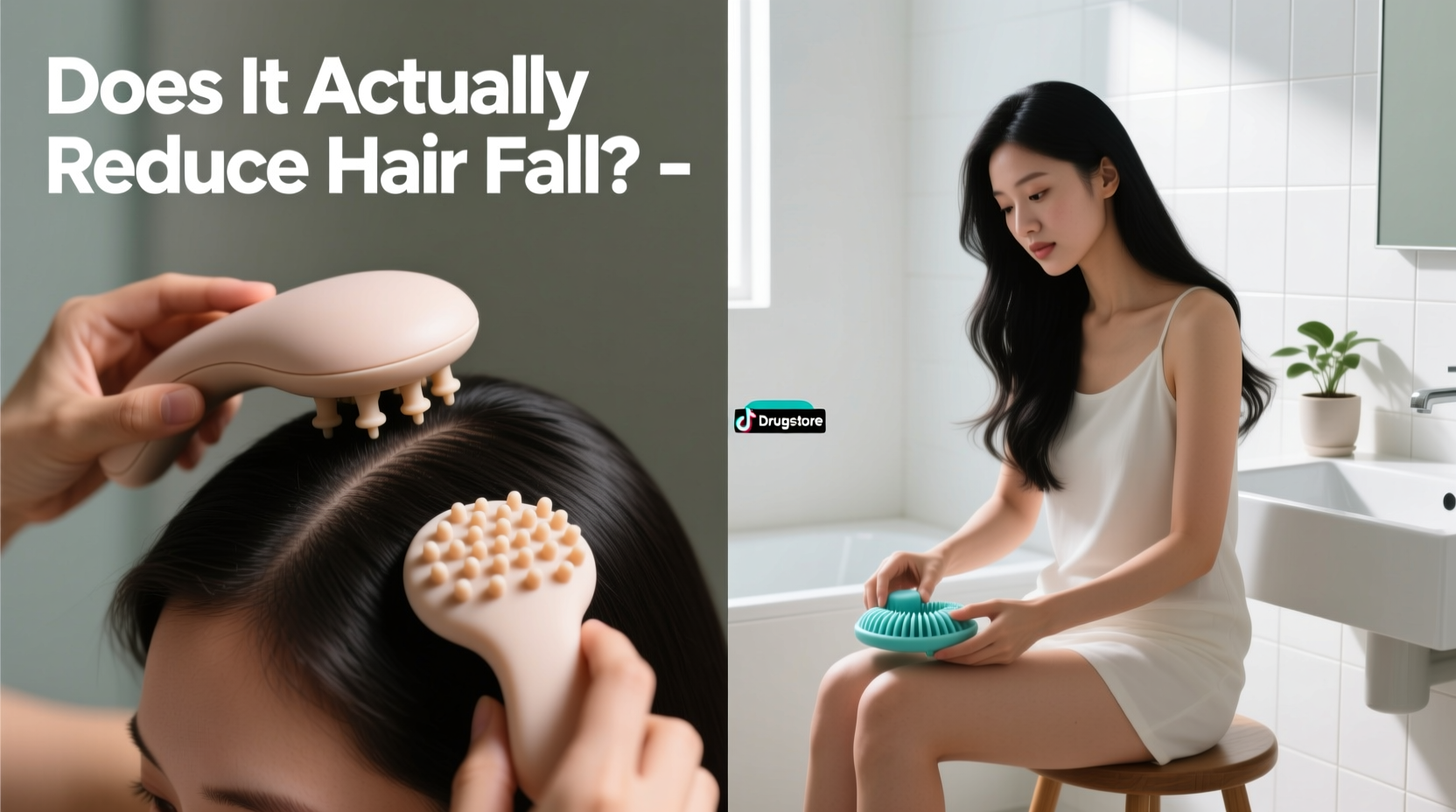
The idea that stimulating the scalp can improve hair growth isn’t new. Traditional practices like Ayurvedic head massages have used oils and manual pressure for centuries to promote thicker, stronger hair. Modern science offers some support: studies suggest that regular scalp massage increases blood flow to hair follicles, which may deliver more oxygen and nutrients essential for healthy growth.
A 2016 study published in PeerJ found that men who performed daily 4-minute scalp massages over 24 weeks experienced measurable increases in hair thickness. While the mechanism isn't fully understood, researchers believe mechanical stretching of dermal papilla cells—key regulators of hair growth—may play a role.
However, increased circulation doesn’t automatically mean reduced hair fall. Most shedding is driven by internal factors such as hormonal imbalances (e.g., DHT), nutritional deficiencies, stress (telogen effluvium), or genetics (androgenetic alopecia). A massager alone won’t fix these root causes—but it might create a better environment for existing hairs to thrive.
“Scalp massage can be a supportive tool in a broader hair care routine, but it’s not a standalone treatment for significant hair loss.” — Dr. Lena Patel, Board-Certified Dermatologist
Breaking Down the TikTok-Famous Scalp Massager
The viral model—often branded under names like “Scalp Reviver Pro” or “HairGlow Massager”—features soft, flexible silicone bristles arranged in ergonomic curves designed to fit the contours of the skull. It typically comes in pastel colors, attaches easily to showerheads, and retails between $25 and $35.
What sets it apart from older models? Design and user experience. The flexible tips glide smoothly without scratching, and the curved base allows hands-free use during showers. Many users praise its ability to lather shampoo deeply and relieve tension after long days.
But functionality aside, much of its popularity stems from influencer content. Videos show satisfying close-ups of suds building up, calming ASMR-like sounds, and testimonials claiming less hair in the drain within weeks. This emotional appeal drives sales far more than clinical data.
Drugstore Alternatives: Same Benefit, Lower Price?
Generic scalp massagers have been available for decades. Found in pharmacies and beauty supply stores for $3–$8, they’re usually made of hard plastic with stiff rubber nodules. Some resemble small scrubbing pads; others look like mini hairbrushes.
While functionally similar—both are meant to exfoliate and stimulate—the cheaper versions often lack comfort. Stiffer bristles can tug at hair or irritate sensitive scalps, especially when used aggressively. They also rarely offer ergonomic grips or suction mounts, making them harder to use mid-shower.
Yet, if the goal is stimulation rather than luxury, many users report comparable results. One key factor: technique matters more than tool quality. Gentle, circular motions for 2–5 minutes are effective regardless of device type.
Comparison Table: Viral vs. Drugstore Models
| Feature | TikTok-Famous Model | Drugstore Version |
|---|---|---|
| Price Range | $25–$35 | $3–$8 |
| Material | Soft silicone bristles | Hard plastic with rubber nubs |
| Ergonomic Design | Yes, contoured fit | Limited or none |
| Shower Mount | Often includes suction cup | Rarely included |
| Gentleness on Scalp | High (flexible tips) | Moderate to low (can be harsh) |
| User Experience | Pleasant, spa-like | Functional but basic |
| Effect on Hair Fall (Anecdotal) | Reported reduction in shedding | Mixed reviews; some irritation reported |
Do These Tools Actually Reduce Hair Fall?
The answer depends on what kind of hair fall you’re experiencing.
If shedding is due to poor circulation, buildup of sebum, or infrequent cleansing, then yes—regular use of a scalp massager may help. By lifting away dead skin cells and improving product penetration, it supports a healthier follicular environment. Users with oily scalps or dandruff often notice cleaner roots and less clogging, which can indirectly reduce breakage.
However, if hair loss stems from medical conditions—such as thyroid dysfunction, iron deficiency, postpartum changes, or genetic thinning—a massager will not stop the underlying process. In fact, overly aggressive use could worsen shedding temporarily by dislodging hairs already in the telogen (resting) phase.
That said, there’s value in ritual. Taking time each day to massage your scalp can lower cortisol levels, reduce stress-related shedding, and increase mindfulness around hair care. The placebo effect shouldn’t be dismissed: believing a routine helps can lead to consistent habits that support overall wellness.
Mini Case Study: Sarah’s 8-Week Trial
Sarah, a 32-year-old graphic designer, began noticing more hair in her brush and shower drain after switching to a low-lather sulfate-free shampoo. She bought the TikTok-famous massager hoping to boost lathering and reduce fallout.
Over eight weeks, she used it three times weekly during showers, pairing it with a caffeine-infused scalp serum. She also improved sleep and added a biotin supplement after consulting her doctor.
Results: Shedding decreased noticeably by week six. Her dermatologist noted improved scalp clarity and no signs of inflammation. While impossible to isolate variables, Sarah credits the massager with helping her stay consistent with her regimen—and enjoy it more.
She later tried a $5 drugstore model but found it uncomfortable and less effective at creating foam. “It felt like I was scraping my head,” she said. “The expensive one feels intentional.”
Step-by-Step Guide to Using a Scalp Massager Effectively
To get the most out of any scalp massager—regardless of price—follow this routine:
- Start with dry or damp hair: Apply directly to the scalp before adding shampoo for maximum contact.
- Use gentle pressure: Let the tool do the work. Avoid pressing hard enough to cause pain or redness.
- Move in slow circles: Focus on one section at a time—front, sides, crown, back—for about 30 seconds each.
- Add shampoo mid-massage: Squeeze a small amount onto the device to build lather while stimulating the scalp.
- Rinse thoroughly: Ensure all residue is washed away to prevent buildup.
- Limit frequency: 3–4 times per week is sufficient. Overuse may irritate sensitive skin.
- Clean the device weekly: Rinse under warm water and let air dry to prevent bacterial growth.
Checklist: Choosing the Right Scalp Massager for You
- ✅ Prioritize soft, flexible bristles to avoid micro-tears
- ✅ Look for an ergonomic shape that fits your hand or head
- ✅ Check for BPA-free, non-toxic materials
- ✅ Consider suction mount if you want hands-free use
- ✅ Read reviews focused on comfort, not just aesthetics
- ✅ Match the tool to your scalp condition (sensitive, oily, flaky)
- ❌ Avoid stiff, pointed nodules if you have thin or fragile hair
Frequently Asked Questions
Can a scalp massager cause more hair to fall out?
Temporarily, yes. Massaging loosens hairs already in the resting phase, so you may see more shedding initially. This is normal and not a sign of damage. However, if pulling causes pain or persistent thinning, stop use and consult a dermatologist.
Is there a best time to use a scalp massager?
Most people find it easiest during showers, especially when applying shampoo. Others prefer dry massaging before bed to relax. Consistency matters more than timing—choose what fits your routine.
Are electric scalp massagers better than manual ones?
Not necessarily. While vibrating models claim deeper stimulation, research doesn’t show superior results over manual techniques. Manual tools are quieter, cheaper, require no charging, and allow greater control over pressure.
Final Verdict: Worth the Hype?
The TikTok-famous scalp massager isn’t revolutionary—but it is well-designed. Its soft silicone tips, thoughtful ergonomics, and satisfying user experience justify the premium for many. It encourages consistent, enjoyable self-care, which indirectly supports hair health.
Drugstore versions can deliver similar stimulation at a lower cost, but their stiffer construction may deter regular use, especially for those with sensitive scalps or fine hair. Comfort influences compliance: if a tool feels unpleasant, you’re less likely to stick with it.
Ultimately, neither device will stop medical-grade hair loss. But both can play a supportive role in a holistic approach that includes proper nutrition, stress management, and targeted treatments when needed.
“The best hair care tools are the ones you’ll actually use consistently. If spending more makes you more committed to the habit, it might be worth the investment.” — Dr. Naomi Chen, Trichology Specialist
Take Action Today
Instead of chasing viral trends, assess your own needs. Do you struggle with product buildup? Feel tension in your scalp? Skip hair routines because they feel tedious? A good massager—whether high-end or affordable—can transform washing your hair from a chore into a moment of care.
Try one for four weeks with mindful technique. Track changes in scalp texture, itchiness, or perceived shedding. Combine it with other healthy habits, and remember: real progress takes time.




 浙公网安备
33010002000092号
浙公网安备
33010002000092号 浙B2-20120091-4
Comments
No comments yet. Why don't you start the discussion?