
Scalp health has surged into the spotlight, thanks in large part to viral TikTok trends showcasing sleek, ergonomic scalp massagers gliding through hair with satisfying precision. At the same time, traditional hairbrushes—especially those made with natural bristles and wooden handles—have long been staples in grooming routines for their purported ability to stimulate the scalp and distribute natural oils. But when it comes to boosting blood circulation, a key factor in promoting hair growth and overall scalp vitality, which tool actually delivers more? This article dives deep into the mechanics, research, and user experiences behind both categories to provide a clear, evidence-based answer.
The Science of Scalp Circulation and Hair Health
Blood circulation to the scalp plays a crucial role in delivering oxygen and nutrients to hair follicles. Improved microcirculation can support stronger, healthier hair and may even slow down thinning or shedding over time. While genetics, hormones, and diet are primary influencers of hair health, mechanical stimulation—like brushing or massaging—can enhance local blood flow.
A 2019 study published in *Eplasty* found that daily scalp massage over 24 weeks led to increased hair thickness, likely due to sustained tension on dermal papilla cells and improved circulation. The study didn’t compare tools but emphasized consistent mechanical stimulation as beneficial. This sets the stage: both scalp massagers and brushes can contribute—but do they do so equally?
TikTok-Famous Scalp Massagers: Design, Function, and Popularity
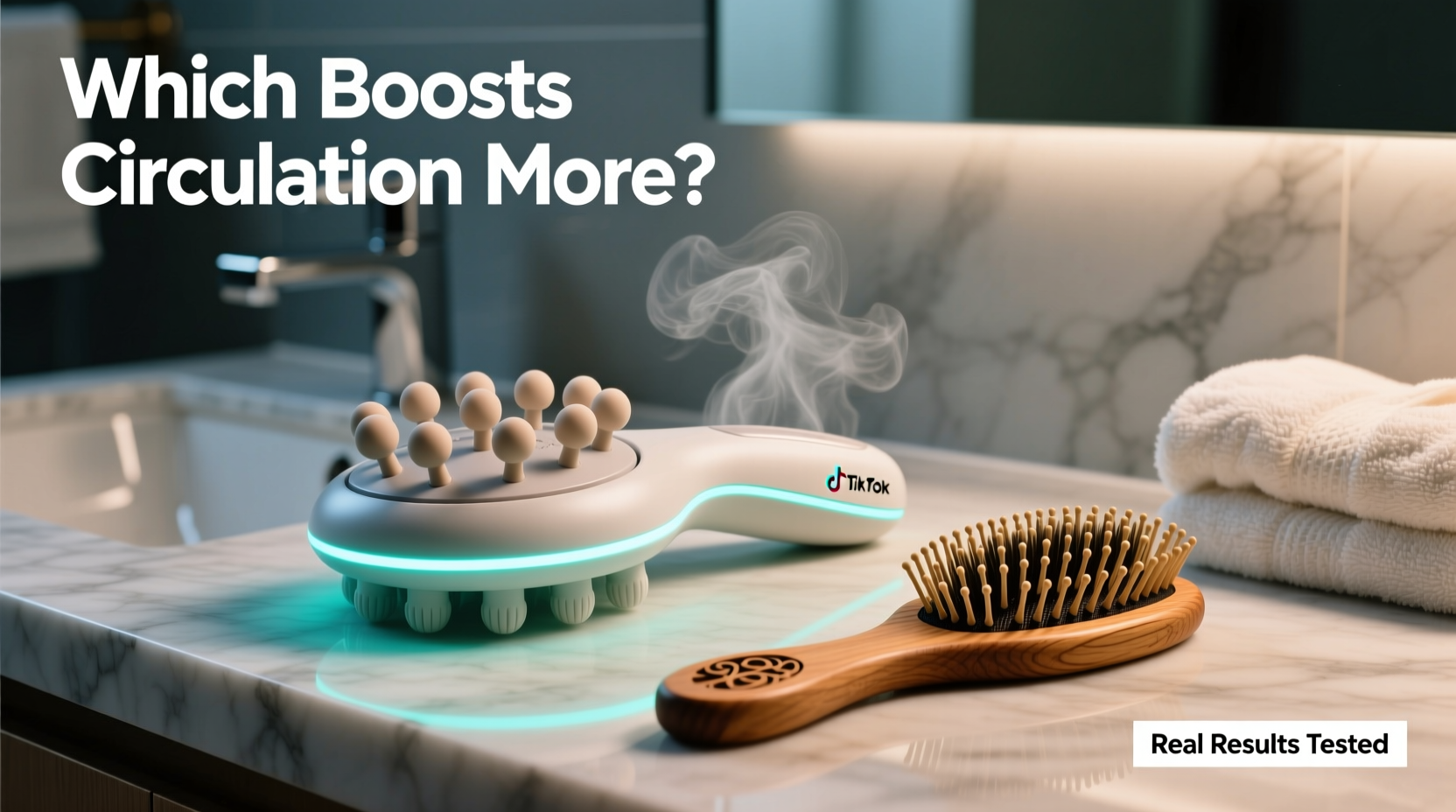
In recent years, TikTok has turned simple grooming tools into must-have wellness accessories. Products like the Y.S.P. Scalp Massager, the Ouidad Dual-Sided Massager, and silicone-tipped handheld devices have racked up millions of views under hashtags like #ScalpMassage and #HairGrowthRoutine. These tools typically feature soft, flexible silicone nodules arranged in ergonomic patterns designed to mimic finger pressure.
What makes them stand out is their targeted design. Unlike brushes, which primarily detangle and style, modern scalp massagers are built solely for stimulation. Their nodules apply focused pressure across the scalp, reaching areas that fingers might miss. Many users report a tingling sensation during use—a sign of increased blood flow.
Additionally, some models include vibration or cooling elements, further enhancing sensory feedback and potential vasoactive effects. However, while anecdotal reports are overwhelmingly positive, clinical data specific to these consumer-grade devices remains limited.
Traditional Brushes: Time-Tested Tools with Circulatory Benefits
Long before viral videos, people relied on boar bristle brushes, wooden combs, and nylon-bristled tools to care for their hair. Traditional brushes serve multiple functions: detangling, smoothing cuticles, reducing static, and—importantly—stimulating the scalp.
Natural bristle brushes, particularly those made from wild boar hair, are praised for their ability to distribute sebum from root to tip while gently exfoliating dead skin cells. When used with deliberate strokes, especially from the nape upward, they create mild friction and pressure that encourage blood flow.
Dermatologist Dr. Anabel Alvarez explains:
“The rhythmic motion of brushing, especially with a firm but flexible brush, can produce a mild vasodilatory effect. It’s not as intense as a massage, but consistency matters. Daily brushing can offer cumulative circulatory benefits.”
However, not all brushes are created equal. Hard plastic bristles or poorly spaced nodes can cause scalp abrasion or uneven pressure, potentially negating any benefits. The key lies in technique and tool quality.
Direct Comparison: Massagers vs. Brushes for Circulation
To determine which tool enhances circulation more effectively, we need to assess four factors: pressure distribution, coverage, user control, and supporting evidence.
| Feature | Scalp Massagers | Traditional Brushes |
|---|---|---|
| Pressure Precision | High – targeted nodules deliver focused stimulation | Moderate – depends on bristle stiffness and stroke force |
| Scalp Coverage | Excellent – curved designs fit skull contours | Good – requires manual adjustment for full coverage |
| Circulation Stimulation | Stronger immediate response (tingling, warmth) | Milder, gradual increase with prolonged use |
| Ease of Use | Very easy – minimal technique required | Requires proper stroke technique |
| Dual Functionality | Limited – primarily for massage | High – detangles, styles, and stimulates |
The data suggests that scalp massagers provide more direct and immediate circulatory stimulation. Their design prioritizes contact with the dermis, applying uniform pressure without pulling hair. In contrast, brushes require correct usage—long, slow strokes from the back of the head forward—to maximize blood flow. Misuse (e.g., aggressive brushing) can lead to irritation or traction alopecia, undermining any benefit.
Real-World Example: A 4-Week Experiment
Sophie, a 32-year-old graphic designer, experienced increased hair shedding after switching to a low-hormone birth control method. Concerned about thinning at her temples, she began researching non-invasive solutions. For one month, she committed to using a popular TikTok-viral silicone scalp massager every evening for five minutes. She paired this with biotin supplements and avoided heat styling.
By week three, Sophie noticed less hair in her shower drain and a subtle “plumping” sensation at her roots. She also reported a consistent warming feeling during use—indicative of enhanced circulation. After four weeks, she shared a progress video showing improved part-line density. While no clinical measurements were taken, her experience aligns with common user testimonials.
When asked to switch to a boar bristle brush for a follow-up week, she found the sensation less intense. “It feels nice, but I don’t get that same tingle,” she said. “With the massager, I can really feel something happening.”
Step-by-Step Guide to Maximizing Scalp Circulation
Whether you choose a massager or a brush, technique is critical. Follow this sequence to optimize blood flow:
- Warm the scalp: Rinse with lukewarm water or apply a warm towel for 1–2 minutes to dilate surface capillaries.
- Select your tool: Choose a massager with flexible silicone tips or a high-quality brush with soft-spine bristles.
- Section hair: Divide into four quadrants (front left, front right, back left, back right) for thorough coverage.
- Apply moderate pressure: Use circular motions for massagers; long, smooth strokes from nape to crown for brushes.
- Focus on temples and crown: These areas often receive less stimulation but are prone to thinning.
- Duration: Spend at least 3–5 minutes total. Consistency over time yields better results than infrequent long sessions.
- Follow with nourishment: Apply a lightweight serum or oil to support follicle health post-stimulation.
Expert Insight: What Dermatologists Recommend
Dr. Lena Patel, a board-certified dermatologist specializing in hair disorders, weighs in:
“Both tools have merit, but if circulation is your primary goal, a dedicated scalp massager will give you more targeted results. Think of it like using a foam roller versus walking for muscle recovery—one is passive, the other is active intervention.”
She adds that patients with early signs of androgenetic alopecia often respond well to adjunct therapies like nightly massage. “I don’t prescribe massagers, but I don’t discourage them either. When used correctly, they’re low-risk and may improve patient adherence to broader treatment plans.”
Checklist: Choosing the Right Tool for Your Needs
- ✅ Define your goal: circulation boost vs. general hair maintenance
- ✅ Assess sensitivity: if you have a tender scalp, opt for softer silicone tips
- ✅ Check material safety: avoid massagers with cheap plastics or sharp edges
- ✅ Prioritize ergonomics: the handle should allow comfortable reach across the head
- ✅ Combine with other practices: pair with gentle shampooing and reduced heat exposure
- ✅ Monitor results: take monthly photos to track changes in hair density
Frequently Asked Questions
Can scalp massage reverse hair loss?
While it cannot reverse genetic baldness, regular massage may improve follicle health and slow miniaturization in early stages. It works best as a complementary practice alongside treatments like minoxidil or PRP therapy.
How often should I use a scalp massager or brush?
For circulation benefits, aim for daily use. Even 3–5 minutes per day can yield noticeable improvements over 8–12 weeks. Overuse is unlikely to cause harm unless excessive pressure is applied.
Are electric scalp massagers better than manual ones?
Not necessarily. Vibration or rotating heads may enhance sensation, but manual tools offer greater control and portability. There’s no conclusive evidence that powered versions significantly outperform hand-operated ones for circulation.
Final Verdict: Which Boosts Circulation More?
The evidence points clearly toward TikTok-famous scalp massagers as the superior option for enhancing blood flow to the scalp. Their specialized design, consistent pressure application, and ease of use make them more effective than traditional brushes for targeted circulatory stimulation. That said, high-quality brushes—especially those with natural bristles—still offer meaningful benefits, particularly when used properly as part of a holistic hair care regimen.
If your main objective is improving scalp health and encouraging stronger hair growth through increased circulation, a dedicated scalp massager is the more efficient choice. However, if you value multi-functionality and prefer integrating stimulation into your daily brushing routine, a well-made brush remains a viable, time-tested alternative.
Ultimately, consistency trumps the tool. Whether you go viral or vintage, what matters most is making scalp stimulation a non-negotiable part of your self-care ritual.




 浙公网安备
33010002000092号
浙公网安备
33010002000092号 浙B2-20120091-4
Comments
No comments yet. Why don't you start the discussion?