
For those managing acne-prone skin, choosing the right complexion product isn’t just about achieving a smooth finish—it’s about supporting skin health. The decision between tinted moisturizer and foundation can significantly impact breakouts, irritation, and long-term skin clarity. While both offer color correction and light to full coverage, their formulations, textures, and effects on sensitive, blemish-prone complexions differ in critical ways. Understanding these differences helps you make a choice that enhances your appearance without compromising your skin’s well-being.
Understanding Acne-Prone Skin Needs
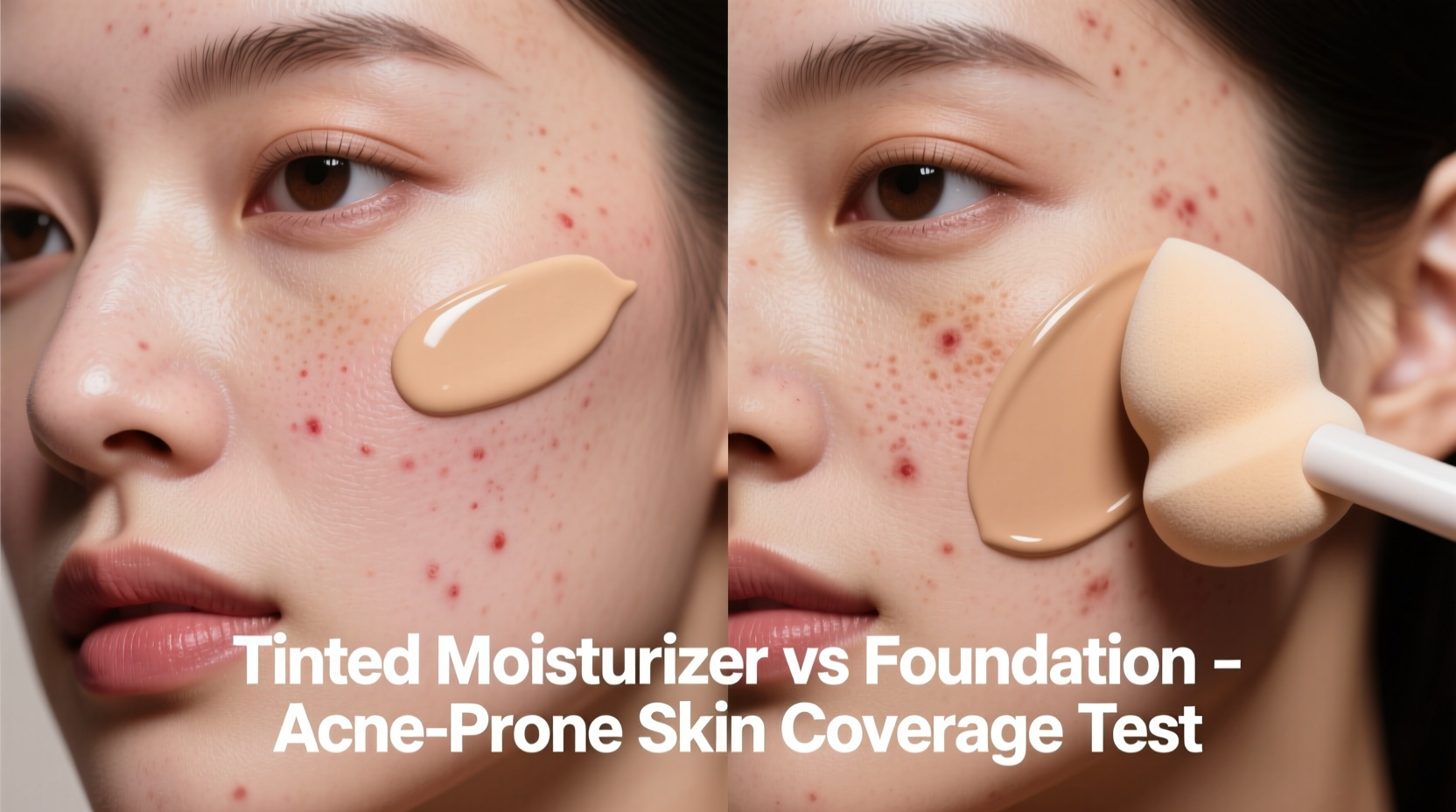
Acne-prone skin is typically characterized by excess sebum production, clogged pores, inflammation, and sensitivity. Harsh or comedogenic ingredients in makeup can exacerbate these conditions, leading to more frequent breakouts or prolonged healing times. The ideal base product should not only blend seamlessly but also respect the skin’s barrier function, avoid pore blockage, and ideally include skincare benefits such as hydration, anti-inflammatory agents, or SPF.
Key concerns when selecting a base product include:
- Non-comedogenicity: Won’t clog pores.
- Oil-free formulation: Minimizes greasiness and shine.
- Low irritation potential: Free from fragrance, alcohol, and harsh preservatives.
- Breathability: Allows skin to function naturally beneath coverage.
- Skincare synergy: Includes beneficial ingredients like niacinamide, hyaluronic acid, or zinc.
These criteria are essential when evaluating whether a tinted moisturizer or foundation better suits acne-prone individuals.
Tinted Moisturizer: Lightweight Care with Sheer Coverage
Tinted moisturizers sit at the intersection of skincare and makeup. They deliver a wash of color while hydrating and protecting the skin. Most formulas contain SPF (typically 15–30), emollients, and antioxidants, making them an excellent option for daily wear, especially during less severe breakout phases.
Coverage is generally sheer to light, ideal for evening out minor redness, dullness, or post-acne marks without masking the skin entirely. Because they’re lighter in texture, tinted moisturizers allow the skin to breathe and rarely feel heavy or cakey.
Advantages for acne-prone skin include:
- Minimal risk of clogging pores due to lightweight, water-based formulas.
- Hydration without greasiness, often using humectants like glycerin or hyaluronic acid.
- Inclusion of soothing ingredients such as allantoin or green tea extract.
- Faster application and removal, reducing friction and stress on inflamed areas.
However, limitations exist. Tinted moisturizers may not conceal active breakouts, cystic lesions, or significant discoloration. In high-stress environments—such as humid climates or long workdays—they may require touch-ups due to lower staying power.
“Patients with mild acne or post-inflammatory erythema often benefit most from tinted moisturizers. They provide enough coverage to feel confident while avoiding the occlusive burden of heavier bases.” — Dr. Lena Torres, Board-Certified Dermatologist
Foundation: Full Coverage with Strategic Formulation
Foundations are designed to deliver medium to full coverage, making them powerful tools for concealing active acne, hyperpigmentation, and uneven tone. Modern dermatological foundations go beyond coverage—they incorporate acne-fighting ingredients, mattifying agents, and breathable polymers to support compromised skin.
For acne-prone users, liquid or gel foundations labeled “oil-free,” “non-comedogenic,” and “water-based” are preferable. Powder foundations can be problematic if applied over dry, flaky patches caused by acne treatments like retinoids or benzoyl peroxide.
Benefits of foundation for acne-prone skin:
- Superior coverage of inflamed pimples, nodules, and dark spots.
- Long-wear formulas reduce the need for reapplication and touching the face.
- Many include salicylic acid, niacinamide, or zinc oxide to combat breakouts.
- Available in shade ranges that match diverse undertones, including cool, warm, and neutral.
The trade-off is potential heaviness or buildup, particularly if not applied correctly. Poor blending or layering too much product can trap bacteria and debris, increasing breakout risk. Additionally, some long-wear silicones (like dimethicone) may cause congestion in highly sensitive individuals, despite being technically non-comedogenic.
Comparative Breakdown: Key Differences
| Feature | Tinted Moisturizer | Foundation |
|---|---|---|
| Coverage Level | Sheer to light | Medium to full |
| Best For | Mild redness, post-acne marks, everyday wear | Active breakouts, cystic acne, hyperpigmentation |
| Texture | Lightweight, fluid | Varies (liquid, cream, powder) |
| SPF Included? | Usually yes (SPF 15–30) | Sometimes; often requires separate sunscreen |
| Pore-Clogging Risk | Low | Low to moderate (depends on formula) |
| Wear Time | 4–6 hours | 6–12+ hours |
| Skin Benefits | Hydration, sun protection, calming agents | Acne-targeting ingredients, oil control, barrier support |
| Removal Difficulty | Easy (gentle cleanser sufficient) | May require double cleansing |
This comparison shows that neither product is universally superior—the best choice depends on your current skin condition, lifestyle, and cosmetic goals.
Real-Life Scenario: Choosing Based on Skin Fluctuations
Consider Maya, a 27-year-old professional with hormonal acne. During her monthly cycle, she experiences flare-ups along the jawline and chin. On high-breakout days, she opts for a lightweight, non-comedogenic liquid foundation containing 2% salicylic acid. It provides enough coverage to hide inflamed lesions while gently exfoliating clogged pores. She pairs it with a silicone-free primer to smooth texture without suffocating her skin.
On clearer weeks, Maya switches to a tinted moisturizer with SPF 20 and niacinamide. Her skin feels balanced, and she appreciates the natural finish and ease of use. This adaptive approach allows her to maintain confidence year-round without triggering additional irritation.
Her routine includes:
- Double cleansing at night with micellar water followed by a gentle foaming cleanser.
- Applying a hydrating serum with hyaluronic acid before makeup.
- Using clean fingers or a damp sponge for minimal product transfer.
- Changing pillowcases every three days and washing brushes weekly.
Maya’s strategy reflects a growing trend: treating base makeup as part of a dynamic skincare regimen rather than a static habit.
Action Plan: How to Choose the Right Product
Selecting between tinted moisturizer and foundation doesn’t have to be overwhelming. Follow this step-by-step guide to make an informed decision based on your skin’s current state.
Step 1: Assess Your Current Breakout Level
Rate your acne severity on a scale of 1–10. If you have fewer than five active blemishes and mostly deal with residual redness, a tinted moisturizer may suffice. For widespread or inflamed acne, consider a buildable foundation.
Step 2: Check Ingredients for Compatibility
Avoid products with known irritants: fragrance, parabens, lanolin, and mineral oil. Prioritize labels that say “non-comedogenic,” “dermatologist-tested,” and “acne-safe.” Look for added benefits like SPF, niacinamide (anti-inflammatory), or zinc (oil-absorbing).
Step 3: Test Wearability
Try the product for a full day. Does it oxidize? Does it settle into dry patches or emphasize texture? Does it feel tight or greasy by midday? These signs indicate poor compatibility.
Step 4: Evaluate Aftercare Impact
Monitor your skin over 3–5 days of consistent use. Are new bumps forming? Is your usual acne treatment absorbing properly underneath? Discontinue use if you notice increased congestion.
Step 5: Adapt Seasonally and Hormonally
You don’t need to stick with one product forever. Rotate based on weather, stress levels, or menstrual cycles. Summer humidity may call for lighter coverage; winter dryness might require more hydration under foundation.
Checklist: Acne-Safe Base Makeup Selection
Use this checklist before purchasing or applying any new base product:
- ✅ Confirmed non-comedogenic and oil-free
- ✅ Free from fragrance and alcohol
- ✅ Contains skin-beneficial additives (e.g., SPF, niacinamide, ceramides)
- ✅ Matches your skin tone and undertone accurately
- ✅ Applies smoothly without tugging or pilling
- ✅ Doesn’t interfere with acne medication absorption
- ✅ Removed completely with gentle cleansing
- ✅ Tested on a small area for 48 hours
FAQ
Can I mix tinted moisturizer with foundation for acne-prone skin?
Yes—diluting foundation with tinted moisturizer is an effective way to reduce coverage weight while maintaining even tone. This method improves breathability and lowers the risk of clogging pores. Mix equal parts on the back of your hand before application for best results.
Is tinted moisturizer enough for sun protection if I have acne scars?
While many tinted moisturizers contain SPF, they’re often not applied in thick enough layers to guarantee full UV protection. For acne scars, which are prone to darkening from sun exposure, layer your tinted moisturizer over a dedicated broad-spectrum sunscreen (SPF 30+) for optimal defense.
Does wearing foundation worsen acne over time?
Not necessarily. Modern, well-formulated foundations designed for acne-prone skin do not inherently cause breakouts. However, poor hygiene—such as using dirty brushes, sharing applicators, or failing to remove makeup—can lead to bacterial buildup and clogged pores. Consistent cleansing and product rotation are key.
Conclusion: Prioritize Skin Health Without Sacrificing Confidence
The debate between tinted moisturizer and foundation for acne-prone skin isn’t about declaring a winner—it’s about matching the product to your needs. When breakouts are minimal and confidence hinges on a fresh, healthy glow, tinted moisturizer shines. But when coverage is essential to feel seen and respected, a thoughtfully chosen foundation can be a powerful ally.
What matters most is intentionality: reading labels, understanding your skin’s signals, and adjusting your routine as needed. Makeup should never come at the cost of skin health. With the right knowledge, you can achieve both clear skin and a polished appearance.




 浙公网安备
33010002000092号
浙公网安备
33010002000092号 浙B2-20120091-4
Comments
No comments yet. Why don't you start the discussion?