
Simplicity is timeless. Simple earrings—whether delicate studs, minimalist hoops, or sleek drops—are wardrobe staples that pair effortlessly with any outfit. But despite their understated design, they’re not immune to wear and tear. Exposure to moisture, chemicals, friction, and improper storage can dull their shine, weaken settings, or even cause breakage. The good news? With mindful care, you can preserve their elegance and functionality for many years. These practical, science-backed techniques will help you protect your favorite pairs from damage, maintain their luster, and avoid costly replacements.
Choose the Right Materials for Daily Wear
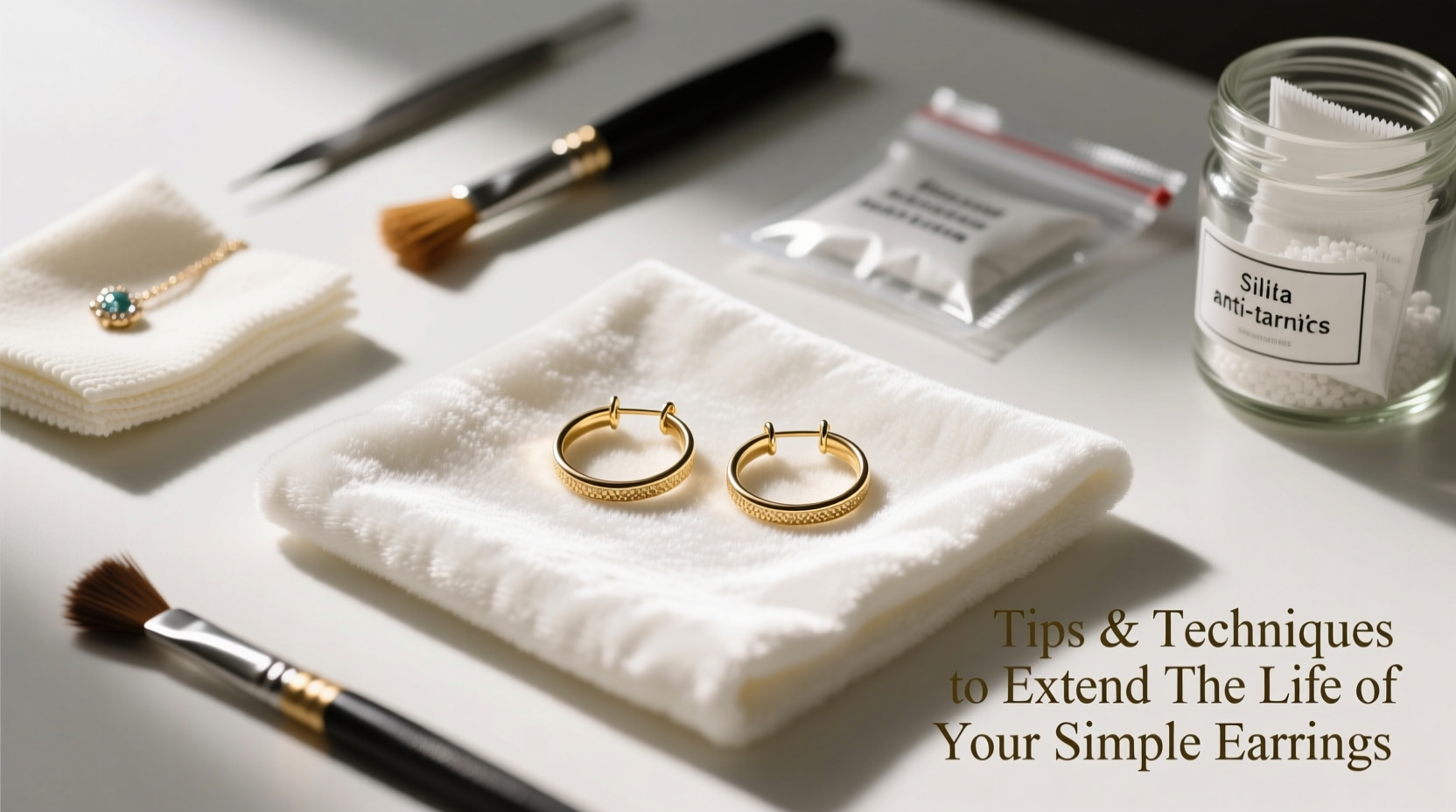
The longevity of your earrings begins long before cleaning or storage—it starts at the point of purchase. Not all metals and stones are created equal when it comes to durability. Opting for high-quality materials ensures a stronger foundation for lasting wear.
For everyday simplicity, consider solid gold (14k or 18k), platinum, or surgical-grade stainless steel. These resist tarnishing and corrosion far better than plated or base metals. If you prefer silver, choose sterling silver (.925) and understand it requires more maintenance due to its tendency to oxidize.
When selecting gemstones, prioritize hardness. Diamonds, sapphires, and rubies rank high on the Mohs scale and withstand daily friction. Softer stones like opals or pearls need extra caution, even in simple designs.
Develop a Cleaning Routine That Preserves Shine
Dirt, oils, and skincare products accumulate on earrings over time, leading to cloudiness and buildup around prongs or posts. Regular cleaning prevents this but must be done carefully to avoid damaging components.
Step-by-Step Guide: Safe Earring Cleaning
- Remove earrings and place them on a clean, soft towel to prevent rolling or scratching.
- Soak in a bowl of warm water mixed with a few drops of mild dish soap for 10–15 minutes.
- Use a soft-bristled toothbrush (preferably new and dedicated to jewelry) to gently scrub around settings and crevices.
- Rinse under lukewarm water—never hot, as temperature shifts can stress metal or stone.
- Dry thoroughly with a lint-free microfiber cloth. Ensure no moisture remains behind posts or clasps.
- Let air-dry completely before storing.
Frequency depends on wear: clean weekly if worn daily; monthly for occasional use. Never use bleach, ammonia, or ultrasonic cleaners unless you're certain of the metal and stone compatibility.
| Cleaning Method | Suitable For | Avoid For |
|---|---|---|
| Mild soapy water + soft brush | Gold, silver, platinum, diamonds | Pearls, porous stones (e.g., turquoise) |
| Commercial jewelry cleaner | Hard metals and stones | Antique pieces, fragile settings |
| Ultrasonic cleaner | Durable settings with secure stones | Hollow designs, glued-in stones, vintage items |
Store Smart: Prevent Tangles, Scratches, and Oxidation
Improper storage is one of the top causes of earring damage. Tossed into drawers or left dangling on stands, even simple earrings can scratch, bend, or lose backs. A consistent storage system protects both appearance and structure.
Use individual compartments in a lined jewelry box or a padded earring organizer. For stud earrings, insert the post through a piece of soft fabric or a silicone pad to prevent snagging. Hoops benefit from hanging hooks or closed loops to retain shape.
For travel, use a hard-sided case with separate slots. Wrap delicate pairs in tissue paper or place them in small ziplock bags to minimize air contact and slow oxidation.
Expert Insight: What Jewelers Know That You Don’t
“Even the simplest earring undergoes stress every time it’s inserted. Over months, this tiny pressure can loosen prongs or fatigue metal. I recommend a professional inspection every 6–12 months—even for plain studs.” — Daniel Reyes, Master Jeweler & Restoration Specialist
Many people assume only elaborate pieces need checkups. In reality, the constant handling of simple earrings increases risk. A jeweler can tighten loose stones, polish out micro-scratches, and check for weak solder points, especially in handcrafted or vintage styles.
Avoid Common Wearing Mistakes
How you wear your earrings matters just as much as how you clean or store them. Daily habits often accelerate deterioration without immediate notice.
- Wearing earrings while applying makeup, hairspray, or perfume: Chemicals coat the surface and erode metal over time. Always put on jewelry last.
- Sleeping or exercising in earrings: Sweat corrodes metal, and movement increases snag risk. Remove them before bed or workouts.
- Ignoring broken backs or bent posts: A wobbly earring stresses the earlobe and risks losing the piece entirely. Replace missing butterfly backs promptly.
- Using pliers to fix posts: DIY repairs often cause irreversible damage. Seek a professional for adjustments.
Mini Case Study: The Everyday Stud That Lasted 15 Years
Sophie, a teacher from Portland, has worn the same pair of 14k gold diamond studs nearly every day since her graduation. She attributes their pristine condition to three habits: removing them before washing her face or showering, cleaning them once a month with soapy water, and storing them in a velvet-lined box. Every year, she takes them to her local jeweler for a quick polish and setting check. “They still look brand new,” she says. “People always ask where I bought them.” Her routine proves that consistency—not complexity—is key to longevity.
Checklist: Monthly Earring Care Routine
Follow this simple checklist to keep your simple earrings in optimal condition:
- ☐ Inspect each pair for loose stones, bent posts, or damaged backs.
- ☐ Clean using mild soap and water method described above.
- ☐ Dry completely before returning to storage.
- ☐ Replace missing or stretched earring backs.
- ☐ Rotate wear if you have multiple favorites—this reduces strain on single pairs.
- ☐ Verify storage is dry, dark, and free of clutter.
Frequently Asked Questions
Can I wear my simple earrings in the shower?
No. Even brief exposure to water, soap, and shampoo accelerates tarnishing, especially in silver and plated metals. Moisture can also loosen adhesives in glued settings and promote bacterial buildup behind posts.
Why do my silver earrings tarnish so fast?
Silver reacts with sulfur compounds in the air, sweat, and lotions. High humidity and frequent skin contact speed up oxidation. To slow tarnish, store silver in anti-tarnish pouches or with silica gel packets, and wipe after wearing.
How do I know if my earring posts are made of hypoallergenic material?
Look for markings like “S.S.” (stainless steel), “Pt” (platinum), or “14K” (gold). Hypoallergenic posts are typically made of titanium, niobium, or nickel-free surgical steel. If your ears itch or redden, consider switching to these materials.
Conclusion
Simple earrings may appear low-maintenance, but their longevity depends on deliberate care. From choosing durable materials to adopting a cleaning rhythm and smart storage, each step plays a role in preserving their beauty and function. Small habits—like putting earrings on last in your morning routine or scheduling an annual jeweler visit—compound into years of wear. These pieces often carry sentimental value, marking milestones or inherited memories. Protecting them isn’t just about aesthetics; it’s about honoring what they represent. Start today: pull out your favorite pair, inspect it closely, and give it the attention it deserves. Your future self will thank you when those timeless studs still sparkle a decade from now.




 浙公网安备
33010002000092号
浙公网安备
33010002000092号 浙B2-20120091-4
Comments
No comments yet. Why don't you start the discussion?