
Sleeping for 10 hours should leave you feeling refreshed, alert, and ready for the day. Yet, if you're consistently waking up exhausted despite logging long hours in bed, something is disrupting your sleep quality or overall health. This isn't just about quantity—it's about how well you sleep and what factors interfere with true restorative rest. Understanding why you're tired after a full night’s sleep is the first step toward reclaiming your energy.
Why You Might Still Feel Tired After 10 Hours
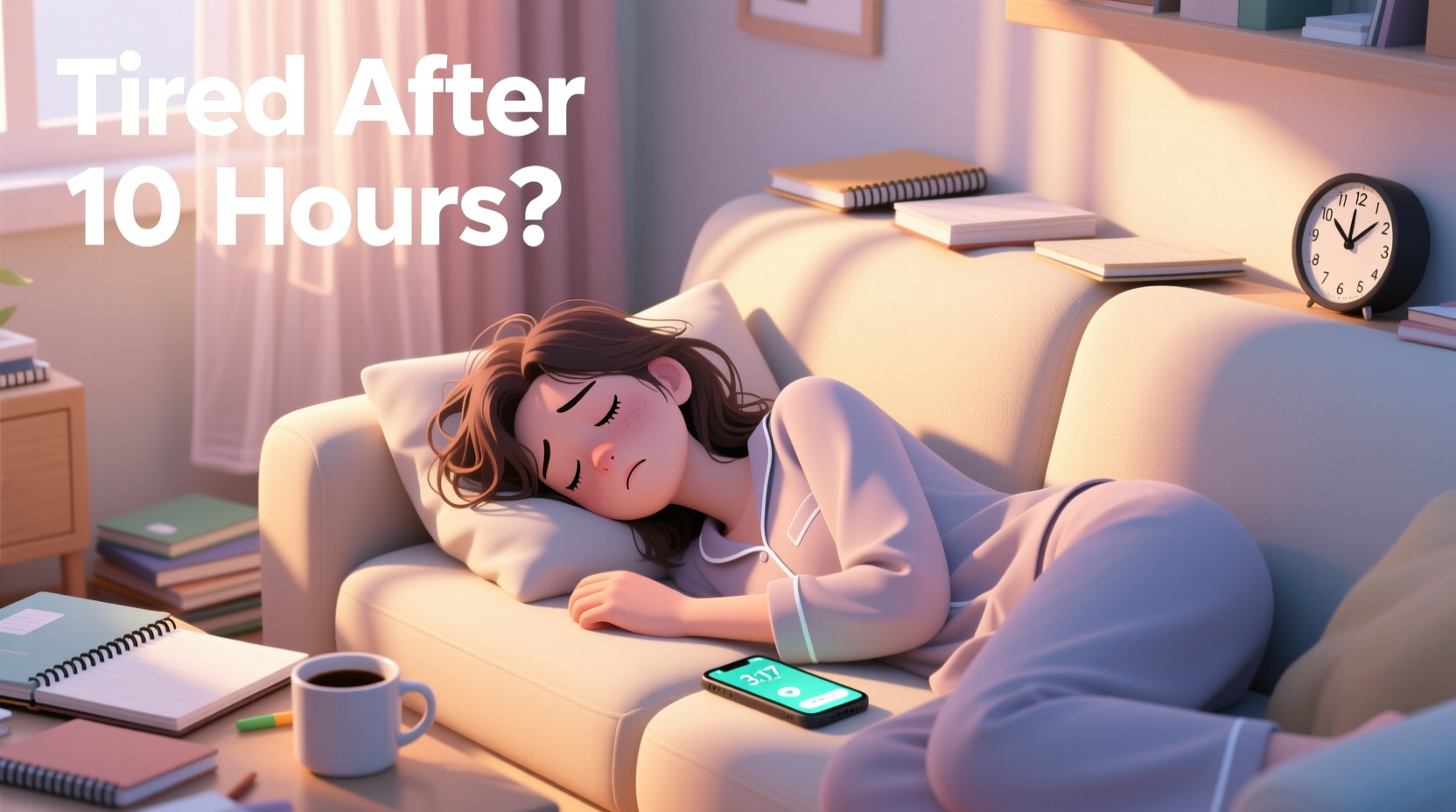
Long sleep duration doesn’t automatically equate to high-quality sleep. In fact, oversleeping can sometimes be a symptom of underlying issues. The body requires deep, uninterrupted cycles of REM and non-REM sleep to repair tissues, consolidate memory, and regulate hormones. If these stages are disrupted, even 10 or more hours may not restore energy.
Common culprits include sleep disorders like sleep apnea, circadian rhythm disruptions, depression, poor sleep hygiene, and medical conditions such as hypothyroidism or anemia. Lifestyle factors—like inconsistent bedtimes, alcohol consumption, or excessive screen time—also play a major role.
Key Causes of Post-Sleep Fatigue
1. Sleep Apnea
Sleep apnea causes repeated breathing interruptions during the night, leading to frequent micro-awakenings that fragment sleep. Many people with obstructive sleep apnea (OSA) don’t realize they’re waking up dozens of times per hour. As a result, they spend 10 hours in bed but receive little restorative deep sleep.
“Patients often report sleeping 9 or 10 hours yet feel worse than when they went to bed. That’s a red flag for sleep-disordered breathing.” — Dr. Lena Patel, Board-Certified Sleep Specialist
2. Depression and Mental Health
Depression is strongly linked to hypersomnia—excessive sleepiness and prolonged sleep duration. People may sleep longer as a form of emotional withdrawal or due to chemical imbalances affecting energy regulation. Anxiety and chronic stress also impair sleep architecture, reducing REM efficiency.
3. Poor Sleep Hygiene
Even with long sleep duration, habits like using phones in bed, irregular sleep schedules, or consuming caffeine late in the day can degrade sleep quality. A dark, cool, quiet environment is essential for melatonin release and sustained deep sleep.
4. Circadian Rhythm Misalignment
If your internal clock is out of sync—due to shift work, jet lag, or delayed sleep phase syndrome—you may be spending time in bed when your body isn’t biologically ready to sleep. This leads to fragmented or low-efficiency sleep, regardless of duration.
5. Medical Conditions
Conditions such as hypothyroidism, diabetes, chronic fatigue syndrome, anemia, and heart disease can all contribute to persistent tiredness. These affect metabolism, oxygen delivery, and hormone balance, making rest less effective.
What to Do: A Step-by-Step Guide to Better Rest
- Assess Your Sleep Environment: Ensure your bedroom is cool (60–67°F), dark, and free from noise. Remove electronic devices that emit blue light or notifications.
- Establish a Consistent Schedule: Go to bed and wake up at the same time every day—even on weekends. This stabilizes your circadian rhythm.
- Limit Alcohol and Caffeine: Avoid caffeine after 2 p.m. and limit alcohol, which disrupts REM sleep and increases nighttime awakenings.
- Monitor Symptoms: Keep a log of snoring, gasping, mood changes, or morning headaches—common signs of sleep apnea.
- See a Healthcare Provider: If fatigue persists, consult a doctor. Blood tests and a possible sleep study can rule out medical or sleep disorders.
Do’s and Don’ts of Managing Oversleeping and Fatigue
| Do’s | Don’ts |
|---|---|
| Maintain a regular sleep schedule | Use your phone or laptop in bed |
| Exercise regularly (but not close to bedtime) | Sleep in excessively on weekends |
| Expose yourself to natural light in the morning | Consume heavy meals before bed |
| Seek professional help if fatigue continues | Self-diagnose or ignore persistent symptoms |
| Practice relaxation techniques like meditation | Rely on sleeping pills without medical guidance |
Real-Life Example: Sarah’s Journey to Restful Sleep
Sarah, a 34-year-old teacher, slept 10–11 hours nightly but woke up groggy and unmotivated. She struggled to get out of bed and felt sluggish throughout the morning. Her primary care physician recommended a sleep study, which revealed moderate obstructive sleep apnea. She began using a CPAP machine and noticed dramatic improvements within two weeks. Her sleep duration dropped to 8 hours, but she felt more alert and focused than she had in years.
This case highlights a critical point: it’s not the number of hours that matters most—it’s the quality of those hours. Treating the root cause transformed Sarah’s daily life.
Actionable Checklist: Improve Your Sleep Quality
- ✅ Set a fixed wake-up time (even on weekends)
- ✅ Turn off screens at least 60 minutes before bed
- ✅ Keep your bedroom completely dark and quiet
- ✅ Avoid naps longer than 20 minutes after 3 p.m.
- ✅ Write down worries or to-dos before bed to clear your mind
- ✅ Get tested for sleep apnea if you snore or wake up gasping
- ✅ Have blood work done to check thyroid, iron, and vitamin D levels
Frequently Asked Questions
Is sleeping 10 hours a sign of a serious health problem?
Not always, but chronic hypersomnia (excessive sleep) can indicate underlying conditions like depression, sleep apnea, or neurological disorders. If you feel unrested despite long sleep, it’s worth investigating further with a healthcare provider.
Can too much sleep make me more tired?
Yes. Oversleeping can disrupt your circadian rhythm, lower serotonin levels, and lead to “sleep inertia”—a groggy, disoriented state upon waking. It’s similar to mild jet lag and can last hours into the day.
How do I know if my fatigue is due to poor sleep quality vs. another condition?
Poor sleep quality often involves tossing and turning, frequent awakenings, or not remembering dreams. If you suspect another condition, look for additional symptoms: weight changes (thyroid), shortness of breath (anemia), or persistent sadness (depression). A doctor can help differentiate through evaluation and testing.
Conclusion: Reclaim Your Energy with Purposeful Action
Feeling tired after 10 hours of sleep is not normal—and it’s not something you should simply accept. Your body is signaling that something is off, whether it’s your sleep environment, lifestyle habits, or an undiagnosed medical issue. By systematically addressing potential causes and improving sleep hygiene, you can transform how you feel each morning.
The path to better rest starts with awareness and ends with action. Don’t wait for fatigue to define your days. Take control tonight: set a consistent bedtime, eliminate distractions, and commit to seeking answers if the tiredness persists.




 浙公网安备
33010002000092号
浙公网安备
33010002000092号 浙B2-20120091-4
Comments
No comments yet. Why don't you start the discussion?