
It’s a familiar scene: you reach for a cup of coffee mid-afternoon, expecting a boost in alertness, only to feel more sluggish an hour later. You're not alone. Many people experience fatigue after drinking coffee, despite its reputation as a go-to energy booster. This paradox isn’t random—it’s rooted in biology, timing, and sometimes, poor habits. Understanding why coffee makes you tired is key to using caffeine effectively and avoiding the dreaded energy crash.
The Adenosine-Caffeine Tug of War
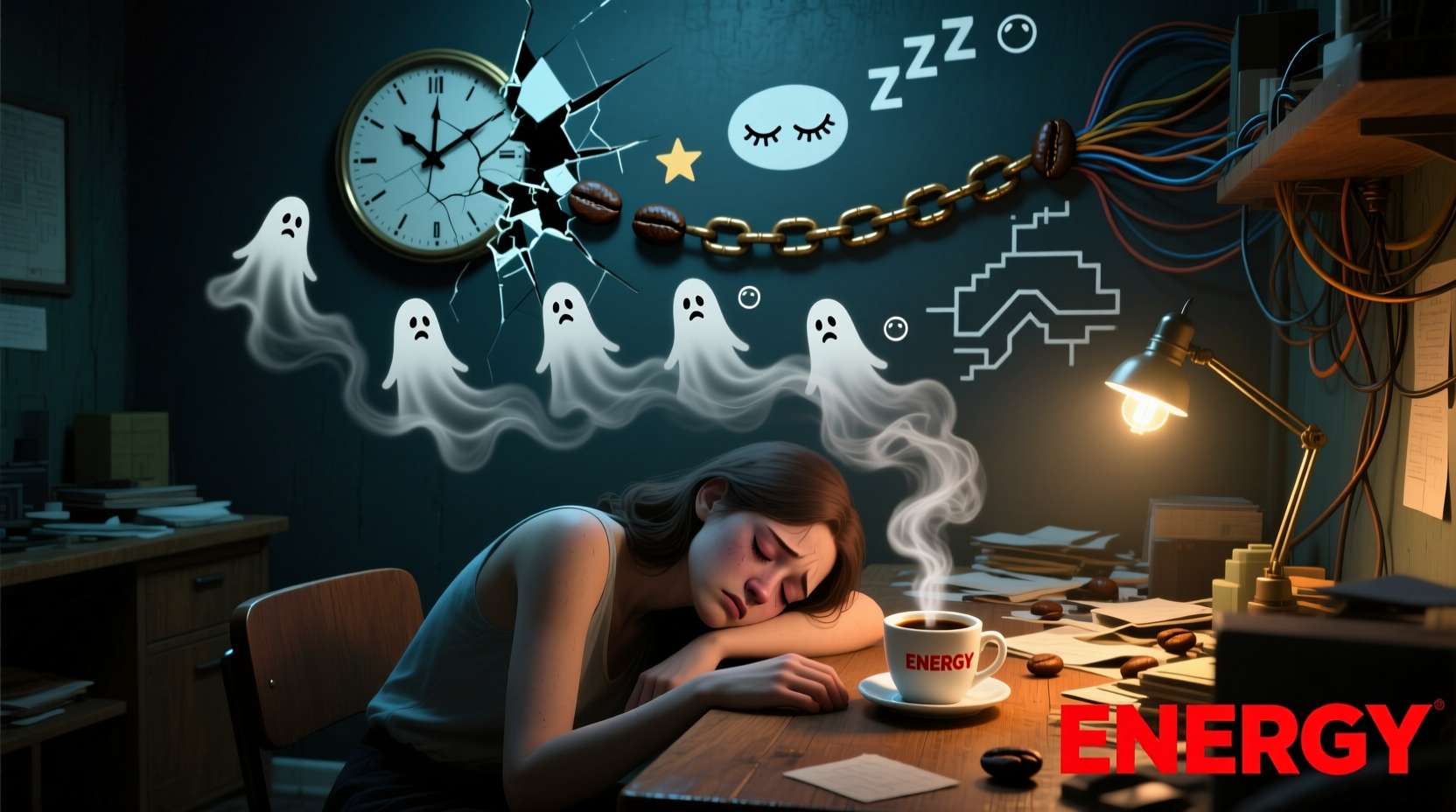
Coffee's primary active ingredient, caffeine, works by blocking adenosine receptors in the brain. Adenosine is a neurotransmitter that builds up throughout the day, promoting sleepiness as it binds to its receptors. When caffeine occupies these receptors, it prevents adenosine from signaling fatigue—giving you a temporary sense of wakefulness.
However, this effect is temporary. Caffeine doesn't stop adenosine production; it merely delays its effects. As caffeine metabolizes (typically within 3–5 hours), the accumulated adenosine floods the receptors all at once. The result? A sudden wave of drowsiness often referred to as the \"caffeine crash.\"
“Caffeine masks fatigue but doesn’t eliminate it. Once it wears off, your body reclaims what it was owed.” — Dr. Sarah Lin, Neuroscientist and Sleep Researcher
How Blood Sugar and Additives Contribute to Fatigue
What you add to your coffee matters just as much as the caffeine itself. Sugary syrups, sweetened creamers, or pairing coffee with a high-carb snack can spike blood glucose levels. In response, the pancreas releases insulin to lower blood sugar. Sometimes, this leads to a rapid drop—known as reactive hypoglycemia—which causes fatigue, irritability, and brain fog.
This crash often coincides with caffeine wearing off, amplifying feelings of exhaustion. Black coffee or drinks with minimal added sugar are less likely to trigger this cycle.
| Additive | Effect on Energy | Better Alternative |
|---|---|---|
| Sugar or flavored syrup | Short-term spike, then crash | Stevia or cinnamon |
| Whitener with trans fats | Slows digestion, increases fatigue | Oat milk or almond milk (unsweetened) |
| Energy drink mix-ins | Excess stimulants increase jitters and later fatigue | Pure black coffee or green tea |
Dehydration and Its Role in Post-Coffee Fatigue
Caffeine is a mild diuretic, meaning it increases urine production and can lead to fluid loss. Even mild dehydration—often overlooked—impairs concentration, mood, and energy levels. If you’re sipping coffee without balancing it with water, you may be dehydrating yourself, contributing to tiredness.
This effect is especially pronounced in environments with dry air (like offices with AC) or if you consume multiple cups without replenishing fluids.
Timing and Circadian Rhythms: When You Drink Coffee Matters
Your body’s internal clock plays a major role in how caffeine affects you. Cortisol, a hormone that regulates alertness, naturally peaks in the morning—around 8–9 a.m. Drinking coffee during this window can interfere with your body’s natural rhythm and reduce caffeine’s effectiveness later when you actually need it.
Experts suggest waiting 60–90 minutes after waking before consuming coffee to align with cortisol dips. Similarly, drinking coffee too late in the day (after 2–3 p.m. for most people) can disrupt nighttime sleep, leading to next-day fatigue and a vicious cycle of dependency.
Optimal Coffee Timing Based on Wake Time
- Wake at 7 a.m.: Best coffee window: 8:30–9:00 a.m.
- Need afternoon boost: Limit intake to before 2 p.m.
- Evening fatigue: Opt for non-caffeinated alternatives like herbal tea.
Mini Case Study: Maria’s Afternoon Slump
Maria, a project manager, relied on three cups of coffee daily—two in the morning, one at 3 p.m.—to stay focused. Despite this, she regularly struggled with post-lunch fatigue and evening brain fog. After tracking her habits, she realized her first cup came immediately upon waking, and her afternoon latte contained two pumps of caramel syrup.
With guidance from a nutritionist, Maria adjusted her routine: she delayed her first coffee until 8:30 a.m., switched to black coffee, and replaced her sugary latte with a small matcha (lower caffeine, sustained release). Within a week, her energy stabilized, and she no longer needed a third cup. Her sleep improved, and daytime fatigue diminished significantly.
Common Mistakes That Amplify Coffee-Induced Fatigue
- Overconsumption: More than 400 mg of caffeine daily (about 4 cups) increases risk of jitteriness and rebound fatigue.
- Poor sleep hygiene: Using coffee to compensate for lost sleep creates dependency and lowers tolerance over time.
- Low-quality beans or stale brew: Old or low-grade coffee may contain mold or impurities that affect energy and mood.
- Ignoring individual sensitivity: Genetics influence how fast you metabolize caffeine. Some people feel effects for up to 8 hours.
Expert-Backed Checklist: How to Use Coffee Without the Crash
- Delay first cup by 60–90 minutes after waking
- Limits daily intake to 300–400 mg of caffeine
- Avoid added sugars and artificial creamers
- Drink a glass of water per cup of coffee
- Stop caffeine at least 8 hours before bedtime
- Choose high-quality, freshly ground beans
- Pair coffee with protein or healthy fats (e.g., nuts, eggs) to stabilize energy
Frequently Asked Questions
Can decaf coffee still make me tired?
Decaf contains minimal caffeine (2–5 mg per cup), so it’s unlikely to cause a crash. However, if you’re highly sensitive or consume large amounts, even trace caffeine might disrupt sleep patterns over time. Additionally, additives like sugar or dairy can still contribute to sluggishness.
Why do I feel sleepy immediately after drinking coffee?
Feeling tired right after coffee may indicate high stress or adrenal fatigue. In such cases, the body struggles to respond to stimulants. It could also signal anxiety-related crashes or a strong placebo expectation of fatigue. Consider monitoring your stress levels and consult a healthcare provider if symptoms persist.
Is there a healthier alternative to coffee for energy?
Yes. Options like green tea (contains L-theanine for calm focus), yerba mate (balanced caffeine profile), or simply hydrating with water and eating balanced meals can provide sustainable energy without crashes. Prioritizing sleep, movement, and nutrition remains the most effective long-term strategy.
Conclusion: Rethink Your Relationship with Coffee
Coffee isn’t inherently bad—but how and when you use it determines whether it helps or hinders your energy. The fatigue many feel after drinking coffee isn’t a flaw in the beverage; it’s a signal from your body about timing, hydration, diet, and sleep quality. By adjusting your habits, you can enjoy coffee’s cognitive benefits without paying for it with a crash later.
Start small: delay your first cup, cut the sugar, and track how you feel. Over time, these changes can transform your energy levels, focus, and overall well-being. Coffee should enhance your day—not leave you wondering why you’re more tired than before.




 浙公网安备
33010002000092号
浙公网安备
33010002000092号 浙B2-20120091-4
Comments
No comments yet. Why don't you start the discussion?