
Waking up feeling groggy, drained, or more tired than when you went to bed is a common experience — and it’s deeply frustrating. You followed the advice: eight hours in bed, limited screen time before sleep, even tried lavender tea. Yet, fatigue lingers. The truth is, quantity of sleep isn’t everything. Quality, timing, lifestyle habits, and underlying health conditions all play crucial roles in how rested you feel upon waking. Understanding the root causes behind post-sleep exhaustion is the first step toward reclaiming your energy.
Why You Might Feel Tired After Sleeping
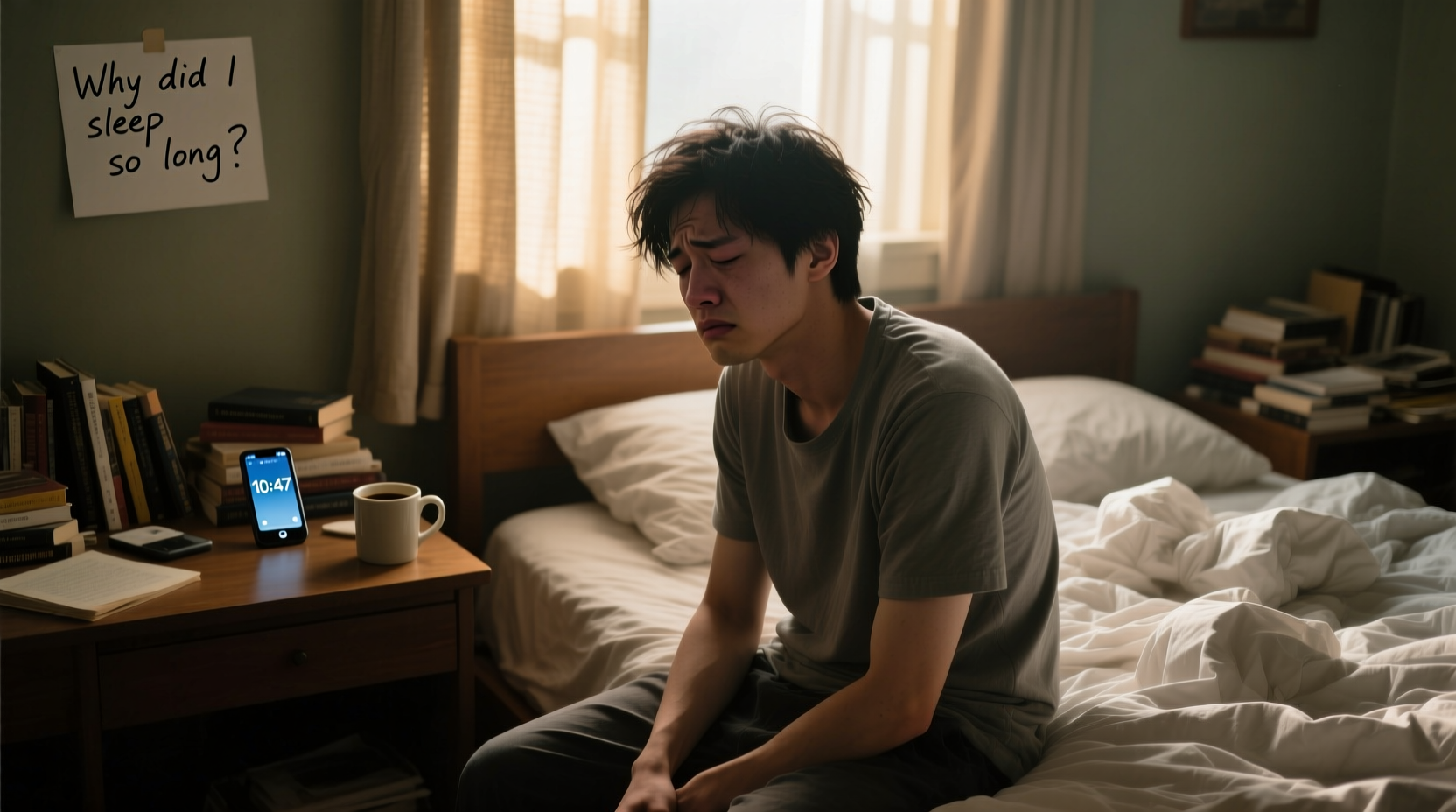
Sleep should restore energy, not deplete it. When you're consistently tired after sleeping, it often signals a mismatch between your body's needs and your current sleep patterns or health status. One major factor is poor sleep quality. Even if you spend eight hours in bed, frequent awakenings, shallow sleep cycles, or disruptions from noise, light, or discomfort can prevent deep, restorative rest. Sleep apnea, for example, causes breathing interruptions throughout the night, leading to micro-awakenings that fragment sleep without full consciousness.
Another overlooked issue is circadian rhythm misalignment. If your internal clock is out of sync with your daily schedule—common in shift workers or those with irregular bedtimes—your body may not release melatonin at optimal times, reducing sleep efficiency. Additionally, medical conditions such as anemia, hypothyroidism, diabetes, or chronic fatigue syndrome can mimic or exacerbate post-sleep fatigue.
“Sleep is not just about duration; it's about continuity, depth, and alignment with your biological rhythms.” — Dr. Lena Torres, Sleep Medicine Specialist
Common Causes of Post-Sleep Fatigue
Several interconnected factors contribute to waking up tired. Recognizing these can help identify where adjustments are needed.
- Sleep Inertia: A temporary state of grogginess right after waking, especially if awakened during deep sleep (slow-wave phase).
- Irregular Sleep Schedule: Going to bed and waking up at different times each day disrupts circadian rhythms.
- Poor Sleep Environment: Noise, excessive light, uncomfortable temperature, or an unsupportive mattress impair sleep quality.
- Diet and Hydration: Heavy meals, alcohol, caffeine, or dehydration before bed interfere with sleep architecture.
- Mental Health: Anxiety, depression, and stress increase nighttime arousal and reduce REM sleep stability.
- Medications: Some antidepressants, antihistamines, and blood pressure drugs cause drowsiness or disrupt sleep cycles.
Do’s and Don’ts for Better Morning Energy
| Do’s | Don’ts |
|---|---|
| Go to bed and wake up at the same time every day, even on weekends | Use your phone or laptop in bed |
| Create a cool, dark, and quiet sleep environment | Consume caffeine after 2 PM |
| Practice relaxation techniques like deep breathing or meditation | Eat large meals within three hours of bedtime |
| Expose yourself to natural light within 30 minutes of waking | Hit snooze repeatedly—it fragments your final sleep cycle |
| Keep a sleep journal to track patterns and symptoms | Ignore persistent fatigue lasting more than two weeks |
Step-by-Step Guide to Waking Up Refreshed
If morning fatigue has become routine, small, consistent changes can make a significant difference. Follow this five-day reset plan to improve sleep quality and daytime alertness.
- Day 1: Audit Your Sleep Environment
Check room temperature (ideal: 60–67°F), eliminate light sources, remove electronics, and assess mattress and pillow support. Consider blackout curtains and white noise machines if needed. - Day 2: Optimize Your Evening Routine
Establish a wind-down ritual: dim lights, read a book, take a warm shower, or practice gentle stretching. Avoid stimulating activities and stressful conversations. - Day 3: Track Food and Drink Intake
Note caffeine, alcohol, sugar, and meal timing. Eliminate late-night snacks and limit alcohol, which reduces REM sleep despite initial drowsiness. - Day 4: Align With Natural Light
Spend 10–15 minutes outside in the morning sun. This helps regulate melatonin and cortisol levels, reinforcing your circadian rhythm. - Day 5: Evaluate and Adjust
Review your notes. Did you fall asleep faster? Wake less often? Feel more alert in the morning? Identify what worked and repeat it consistently.
Real-Life Example: Maria’s Turnaround
Maria, a 38-year-old project manager, regularly slept seven to eight hours but woke up exhausted. She attributed it to work stress until she tracked her habits. She discovered she drank wine nightly to unwind, used her phone in bed, and had inconsistent sleep times due to weekend social events. After eliminating alcohol four nights a week, setting a firm 10:30 PM bedtime, and using a sunrise alarm clock, her energy improved within ten days. “I didn’t realize how much the wine was sabotaging my sleep,” she said. “Now I wake up before my alarm and actually want to get out of bed.”
When to Seek Medical Help
Persistent fatigue despite good sleep hygiene may indicate an underlying condition. Sleep disorders like obstructive sleep apnea, restless legs syndrome, or narcolepsy require professional diagnosis. Similarly, hormonal imbalances, vitamin deficiencies (especially B12 and D), or mental health concerns should be evaluated by a healthcare provider.
If you experience any of the following, consult a doctor:
- Loud snoring or gasping during sleep
- Uncontrollable daytime sleepiness
- Frequent leg twitching at night
- Mood changes or difficulty concentrating
- Weight gain or cold intolerance (possible thyroid issues)
Frequently Asked Questions
Can too much sleep make me tired?
Yes. Oversleeping (more than 9–10 hours regularly) can disrupt circadian rhythms and lead to \"sleep hangover,\" characterized by headaches, disorientation, and low energy. It’s also linked to higher risks of cardiovascular disease and depression.
Is it normal to feel groggy for 30 minutes after waking?
Mild sleep inertia is normal, especially if you wake from deep sleep. However, prolonged grogginess beyond an hour may suggest poor sleep quality, sleep deprivation, or a sleep disorder.
Does napping affect nighttime sleep quality?
Short naps (10–20 minutes) early in the afternoon can boost alertness without disrupting nighttime sleep. But long or late naps (after 4 PM) may reduce sleep drive, making it harder to fall asleep at night.
Action Checklist: Improve Your Sleep Quality
- Set a consistent bedtime and wake time
- Remove phones and tablets from the bedroom
- Avoid caffeine after noon
- Limit alcohol consumption, especially before bed
- Get 10–15 minutes of morning sunlight
- Keep your bedroom cool, dark, and quiet
- Write down worries before bed to clear your mind
- Consult a doctor if fatigue persists beyond two weeks
Conclusion: Take Charge of Your Energy
Feeling tired after sleeping isn’t something you have to accept as normal. Your body is signaling that something in your sleep routine, environment, or health needs attention. By identifying the real causes — whether it’s poor sleep hygiene, undiagnosed sleep apnea, or lifestyle habits — you can take meaningful steps toward waking up refreshed and energized. Small, sustainable changes compound over time. Start tonight: set your phone aside, dim the lights, and prioritize rest like your well-being depends on it — because it does.




 浙公网安备
33010002000092号
浙公网安备
33010002000092号 浙B2-20120091-4
Comments
No comments yet. Why don't you start the discussion?