
Tirzepatide, a dual GIP and GLP-1 receptor agonist, has emerged as one of the most effective medications for managing type 2 diabetes and supporting significant weight loss. Marketed under brand names like Mounjaro® and now approved for obesity as Zepbound™, it has transformed treatment outcomes for many. However, despite its high efficacy in clinical trials, some patients report limited results—whether in blood sugar control or weight reduction. If you're using tirzepatide and seeing little to no progress, you're not alone. Understanding why it might not be working—and knowing what to do next—is essential for regaining momentum on your health journey.
Why Tirzepatide Might Not Be Delivering Expected Results
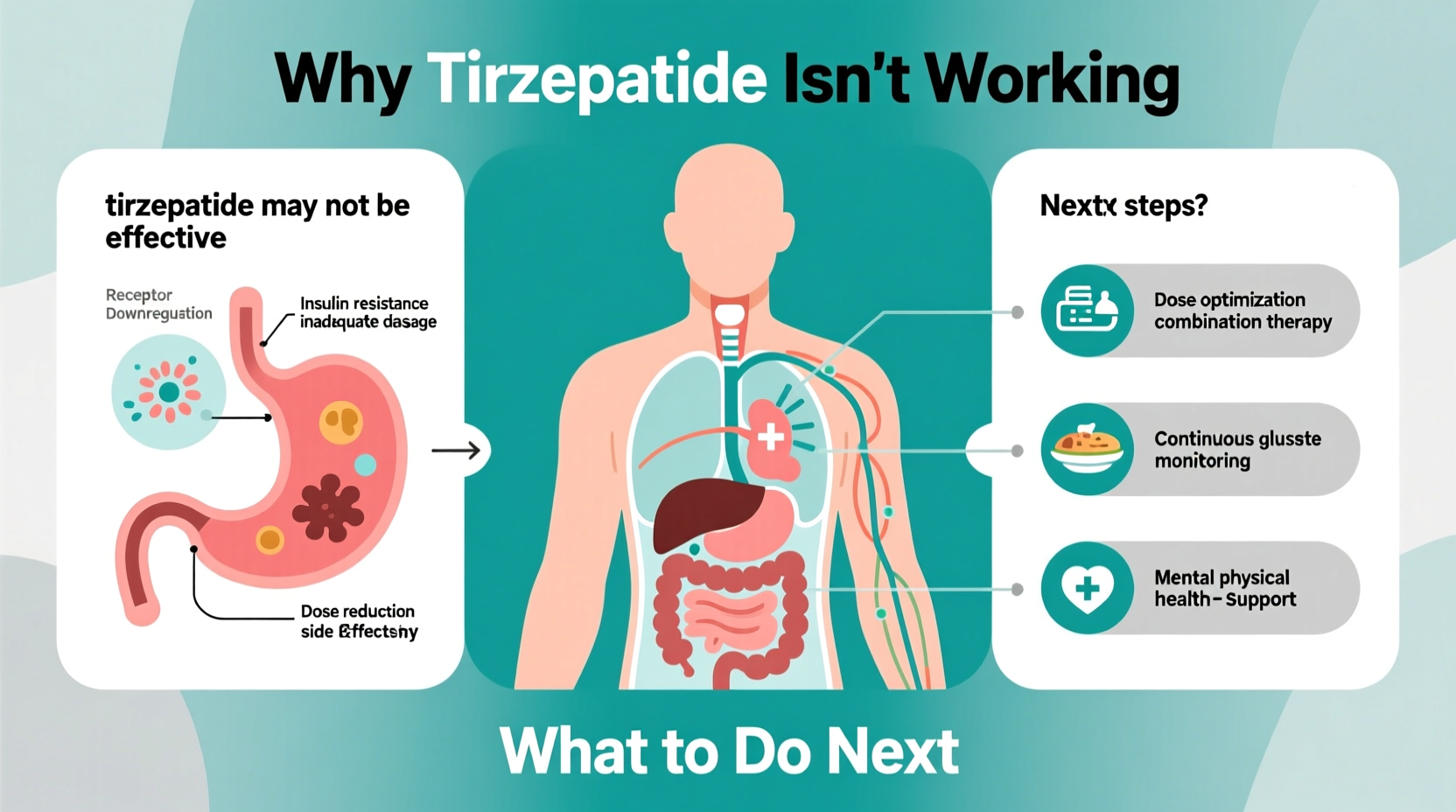
Several factors can interfere with tirzepatide’s effectiveness. These range from biological variables to lifestyle habits and medication adherence. Recognizing these early can prevent frustration and guide more informed decisions with your healthcare provider.
1. Inadequate Dose or Duration
Tirzepatide is titrated gradually to minimize gastrointestinal side effects and allow the body to adjust. Many patients expect rapid results at lower doses, but full benefits often emerge only after reaching higher maintenance levels (e.g., 10 mg or 15 mg). It typically takes 12–20 weeks to reach the target dose, and maximum weight loss or glucose improvements may take up to 6 months.
2. Poor Adherence to Dosing Schedule
Missed injections are a common reason for suboptimal outcomes. Tirzepatide is administered weekly, and even one missed dose per month can disrupt metabolic consistency. Patients who travel frequently or have irregular routines may struggle with timely administration.
3. Dietary and Lifestyle Factors
No medication overrides poor lifestyle choices. High intake of processed foods, excess carbohydrates, and low physical activity can blunt tirzepatide’s effects. The drug enhances satiety and insulin sensitivity, but it doesn’t eliminate the need for calorie control and movement.
4. Underlying Medical Conditions
Conditions such as hypothyroidism, Cushing’s syndrome, PCOS, or sleep apnea can contribute to weight plateaus or insulin resistance, counteracting tirzepatide’s benefits. Similarly, certain medications (like corticosteroids or beta-blockers) may interfere with weight loss or glucose metabolism.
5. Individual Metabolic Variability
Not everyone responds equally to GLP-1/GIP therapies. Genetic factors, baseline insulin resistance, gut microbiome composition, and duration of obesity or diabetes all influence outcomes. Some individuals are “low responders” due to physiological differences beyond their control.
“While tirzepatide shows remarkable results in trials, real-world response varies. We must look beyond the needle—lifestyle, comorbidities, and expectations all shape outcomes.” — Dr. Lena Patel, Endocrinologist, Cleveland Clinic
What to Do Next: A Step-by-Step Guide
If tirzepatide isn’t delivering the expected results, don’t discontinue it abruptly. Instead, follow a structured approach to identify barriers and optimize your plan.
- Review Your Dose and Timeline: Confirm you’ve reached the appropriate maintenance dose for your condition. For weight management, 10–15 mg weekly is standard. If still on 5 mg, discuss titration with your provider.
- Track Injection Consistency: Use a calendar or app reminder to log each dose. Identify patterns of missed injections and address logistical issues.
- Assess Diet Quality: Keep a 7-day food diary. Look for hidden sugars, large portion sizes, or frequent snacking—even healthy foods can add up in calories.
- Evaluate Physical Activity: Aim for at least 150 minutes of moderate exercise weekly. Sedentary behavior reduces insulin sensitivity, limiting tirzepatide’s impact.
- Screen for Comorbidities: Request blood work to check thyroid function (TSH), cortisol levels, vitamin D, and liver enzymes. Treat underlying conditions that may hinder progress.
- Consult Your Prescriber: Share your concerns openly. They may adjust your dose, add complementary therapies, or investigate alternative diagnoses.
Actionable Checklist: Optimizing Tirzepatide Response
- ☐ Confirmed I’m on the correct dose for my goal (diabetes vs. weight loss)
- ☐ No missed doses in the past 4 weeks
- ☐ Logging food intake for at least 3 days to assess calorie and carb load
- ☐ Engaging in at least 30 minutes of movement 5x/week
- ☐ Scheduled lab tests to rule out hormonal imbalances
- ☐ Appointment set with my provider to review progress and options
When to Consider Alternatives or Add-Ons
If, after 6 months on the maximum tolerated dose with strict adherence and lifestyle optimization, results remain disappointing, it may be time to consider other strategies. Options include:
- Dose maximization: If tolerating 10 mg well, moving to 15 mg (if approved and available).
- Combination therapy: Adding metformin for insulin resistance or SGLT2 inhibitors for synergistic glucose and weight benefits.
- Switching medications: Transitioning to another GLP-1 agonist like semaglutide (Wegovy®), though cross-resistance can occur.
- Metabolic surgery evaluation: For eligible patients with BMI ≥35 and comorbidities, bariatric surgery offers durable results when medications fail.
| Factor | Do This | Avoid This |
|---|---|---|
| Dosing | Follow prescribed titration schedule | Self-adjusting dose without medical advice |
| Lifestyle | Focus on protein, fiber, and hydration | Overeating “healthy” snacks or liquid calories |
| Monitoring | Track weight weekly and blood sugar daily (if diabetic) | Relying solely on scale fluctuations day-to-day |
| Medical Review | Schedule follow-up every 3 months | Discontinuing medication without consultation |
Real-World Example: Maria’s Experience
Maria, a 52-year-old woman with type 2 diabetes and a BMI of 38, started tirzepatide at 2.5 mg monthly. After three months, she’d lost only 4 pounds and saw minimal HbA1c improvement. Frustrated, she nearly quit. Her endocrinologist reviewed her regimen and discovered she had stopped dose escalation after experiencing nausea and was still on 5 mg. She also admitted to frequent evening snacking on nuts and cheese—high-calorie foods she assumed were “safe.”
With support, Maria resumed dose titration, introduced meal timing (intermittent fasting), and reduced nighttime calories. Over the next four months, she advanced to 15 mg and lost 28 pounds, with her HbA1c dropping from 8.4% to 6.7%. Her case highlights how multiple small factors can mask a medication’s potential—and how systematic adjustments restore progress.
Frequently Asked Questions
How long should I wait before deciding tirzepatide isn’t working?
Give it at least 4–6 months on the maximum tolerated dose while maintaining consistent lifestyle efforts. Early plateaus are common; sustained progress often begins after 3–5 months.
Can I switch to semaglutide if tirzepatide fails?
Possibly. While both are incretin mimetics, some patients respond better to one over the other due to molecular differences. Discuss this option with your doctor—switching requires a washout period and monitoring.
Does alcohol affect tirzepatide’s effectiveness?
Yes. Alcohol can increase appetite, contribute empty calories, and impair blood sugar control. It may also worsen side effects like nausea. Limit intake and avoid binge drinking.
Final Steps: Moving Forward with Confidence
Tirzepatide is a powerful tool, but it’s not a standalone solution. Its success depends on synergy between medication, behavior, and medical oversight. If you feel it’s not working, resist the urge to give up. Instead, use this moment to reassess, recalibrate, and re-engage with your care team. Whether it’s optimizing your current plan or exploring alternatives, there are paths forward. Weight and metabolic health journeys are rarely linear—but with persistence and precision, meaningful change is possible.




 浙公网安备
33010002000092号
浙公网安备
33010002000092号 浙B2-20120091-4
Comments
No comments yet. Why don't you start the discussion?