
When choosing a men’s bracelet for everyday wear, two materials consistently rise to the top: titanium and tungsten. Both promise strength, modern aesthetics, and resistance to wear—but they differ significantly in cost, weight, and long-term performance. While tungsten is often marketed as the premium option, its higher price and substantial heft raise a legitimate question: are you paying for real value, or just marketing hype? A closer look at material science, lifestyle compatibility, and user experience reveals which metal truly earns its place on your wrist.
Material Properties: Strength, Density, and Scratch Resistance
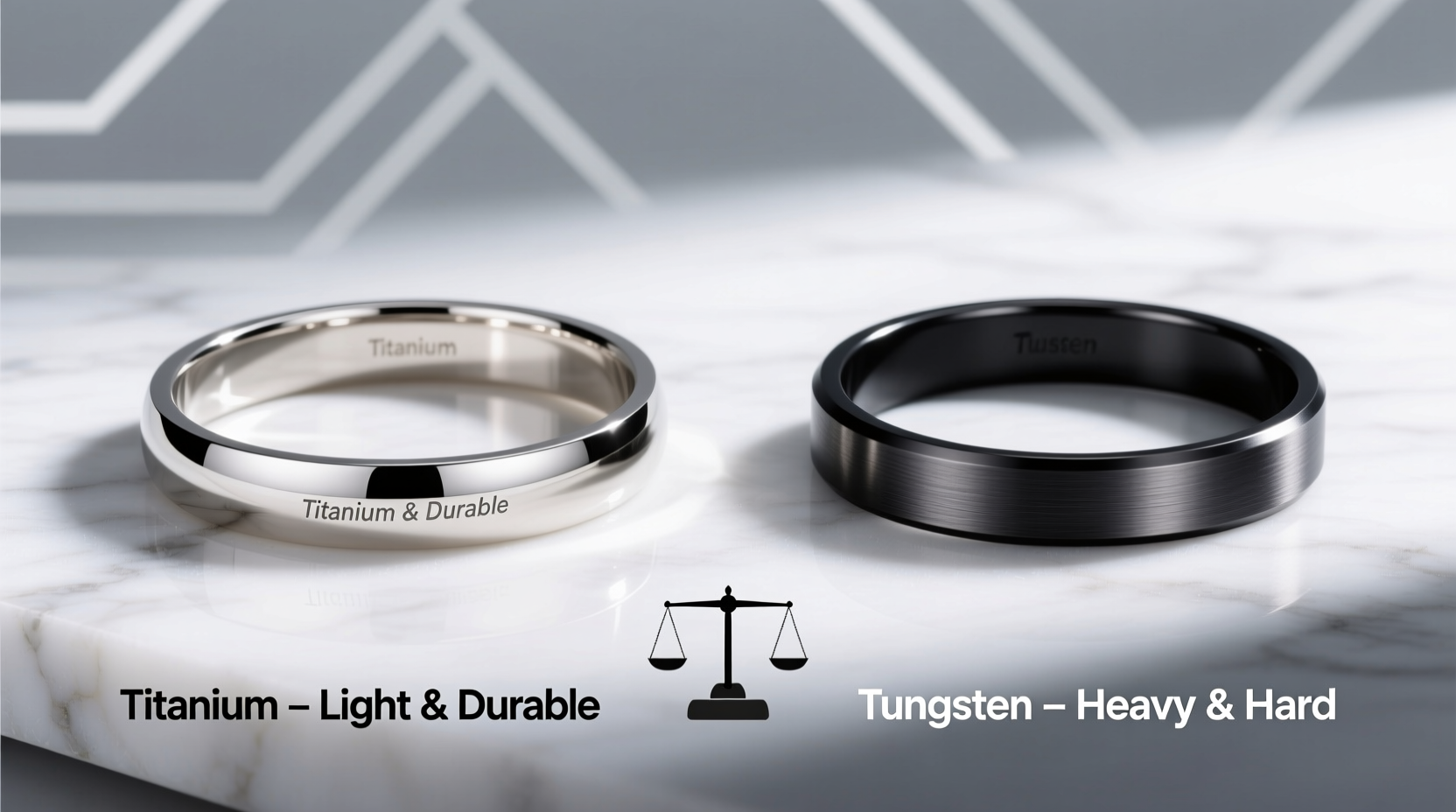
The foundation of any jewelry decision lies in the physical characteristics of the material. Tungsten and titanium belong to different classes of metals with distinct behaviors under stress, exposure, and daily use.
Tungsten carbide—often referred to simply as “tungsten”—is a compound made from tungsten and carbon. It ranks between 8.5 and 9 on the Mohs hardness scale, making it one of the most scratch-resistant materials used in consumer jewelry. For context, diamonds score a 10, while sapphire sits at 9. This extreme hardness means a tungsten bracelet will maintain its polished finish for years without showing fine scratches common in softer metals like silver or stainless steel.
Titanium, by contrast, is a pure elemental metal known for its strength-to-weight ratio. It scores around 6 on the Mohs scale—significantly softer than tungsten but still more durable than gold or platinum. While titanium can develop surface scratches over time, these tend to blend into a brushed patina rather than stand out as sharp blemishes.
Weight and Comfort: How They Feel on the Wrist
One of the most immediate differences between titanium and tungsten is how they feel when worn. Tungsten is extremely dense—about 2.5 times heavier than titanium. A tungsten bracelet delivers a noticeable presence on the wrist, which some describe as “premium” or “substantial.” Others find it cumbersome, especially during prolonged wear or sleep.
Titanium’s low density makes it exceptionally lightweight. It’s commonly used in aerospace and medical implants because it’s strong yet barely perceptible on the body. For people who prefer minimal interference from accessories, titanium offers a near-weightless experience.
The choice here isn’t about superiority—it’s about personal preference and use case. A construction worker might appreciate tungsten’s heft as a symbol of resilience, while a nurse or office professional might favor titanium’s unobtrusive comfort.
“Tungsten’s weight can be a selling point or a dealbreaker—it depends on whether you want your jewelry to make a physical statement.” — Daniel Reed, Industrial Jewelry Designer
Cost Comparison: Price vs. Long-Term Value
Tungsten bracelets typically cost 20–40% more than titanium equivalents, despite being less expensive to mine and refine. The premium stems from branding, perceived luxury, and machining complexity. Because tungsten is so hard, shaping it requires diamond-tipped tools and extensive labor, increasing production costs.
However, titanium isn’t cheap due to raw material scarcity and energy-intensive extraction processes. Medical-grade titanium (Grade 5) used in high-end jewelry commands a higher price, though basic titanium bands remain budget-friendly.
Where value diverges is longevity. Tungsten’s scratch resistance means it rarely needs refinishing. Titanium, while durable, may require polishing after several years of wear—especially if you prefer a mirror finish. Over a decade, the maintenance advantage tilts toward tungsten.
| Metric | Tungsten | Titanium |
|---|---|---|
| Hardness (Mohs) | 8.5–9 | ~6 |
| Density (g/cm³) | 15.6 | 4.5 |
| Average Price (Basic Band) | $80–$150 | $50–$120 |
| Scratch Resistance | Excellent | Fair to Good |
| Hypoallergenic | Yes (with cobalt binder caveat) | Yes (Grade 1–5) |
| Can Be Resized? | No | No (but easier to replace) |
Practical Considerations: Safety, Allergies, and Lifestyle Fit
Beyond aesthetics and cost, real-world usability matters. One critical factor is safety. Tungsten is brittle under extreme impact. In rare cases—such as a car accident or heavy compression—a tungsten ring or bracelet can shatter rather than bend, potentially causing injury. Emergency responders can cut titanium more easily with standard tools, while tungsten often requires specialized equipment.
Allergy concerns also play a role. Pure titanium is highly biocompatible and widely used in surgical implants. Most titanium jewelry is hypoallergenic. Tungsten carbide, however, is usually bound with cobalt or nickel, both of which can cause allergic reactions in sensitive individuals. Opt for nickel-free or cobalt-free tungsten if skin sensitivity is a concern.
Lifestyle compatibility further narrows the field. Frequent travelers should note that titanium is non-magnetic and won’t trigger metal detectors. Tungsten, while also generally undetectable, has a higher metallic content that might occasionally register depending on alloy composition.
Mini Case Study: Alex, Software Developer & Weekend Climber
Alex purchased a tungsten bracelet for its sleek black finish and scratch-proof reputation. Within six months, he noticed discomfort during long coding sessions and found the weight distracting while rock climbing. After a minor fall where the bracelet cracked against a rock ledge, he switched to a brushed titanium band. Lighter, safer, and still stylish, it better matched his dynamic routine. His takeaway: “I thought I wanted indestructibility, but I really needed adaptability.”
Step-by-Step Guide: Choosing the Right Metal for You
- Assess your daily activities. Do you work with machinery, exercise frequently, or have a desk job? High-impact environments favor titanium for safety.
- Evaluate comfort preferences. Try on both metals. Does the weight of tungsten feel reassuring or oppressive?
- Check for metal sensitivities. If you’ve reacted to jewelry before, opt for certified hypoallergenic titanium or nickel-free tungsten.
- Consider aesthetic priorities. Tungsten holds polish better; titanium develops a lived-in look over time.
- Review long-term maintenance. Are you willing to refinish titanium every few years, or do you want a “set-and-forget” piece?
- Budget wisely. Factor in not just purchase price, but potential replacement or repair costs down the line.
Frequently Asked Questions
Can tungsten bracelets be resized?
No. Due to their extreme hardness and brittleness, tungsten bracelets cannot be resized or adjusted. You must select the correct size at purchase.
Is titanium as durable as tungsten?
In terms of tensile strength, yes—titanium is very strong. But it’s more prone to surface scratches. However, titanium is far more impact-resistant and less likely to crack under pressure.
Which metal looks more luxurious?
This is subjective. Tungsten has a deeper luster and is often associated with high-end menswear. Titanium offers a modern, minimalist appeal, especially in brushed or matte finishes. Black-coated variants of both exist, but tungsten maintains its color longer.
Final Verdict: Is Tungsten Worth the Extra Cost and Weight?
The answer depends on what you value most. If you prioritize unyielding scratch resistance, a bold wrist presence, and a “forever finish,” then tungsten’s added cost and weight are justified. It’s ideal for someone seeking a low-maintenance, visually consistent accessory that signals durability.
But if comfort, safety, and versatility matter more—if you lead an active life or dislike heavy accessories—titanium delivers superior wearability at a competitive price. Its lighter build, biocompatibility, and resilience under impact make it the smarter choice for practical, everyday elegance.
Ultimately, neither metal is universally better. The real luxury lies in choosing intentionally—aligning material properties with your lifestyle, values, and daily reality.




 浙公网安备
33010002000092号
浙公网安备
33010002000092号 浙B2-20120091-4
Comments
No comments yet. Why don't you start the discussion?