
When a toddler starts coughing at night, it can be alarming for any parent. The quiet of bedtime amplifies every sound, and seeing your little one struggle to breathe or sleep due to persistent coughing is distressing. While many nighttime coughs are caused by mild, self-limiting conditions like colds or allergies, others may signal something more serious. Understanding the underlying causes, knowing how to provide relief, and recognizing red flags can help you respond confidently and keep your child comfortable.
Common Causes of Nighttime Coughing in Toddlers
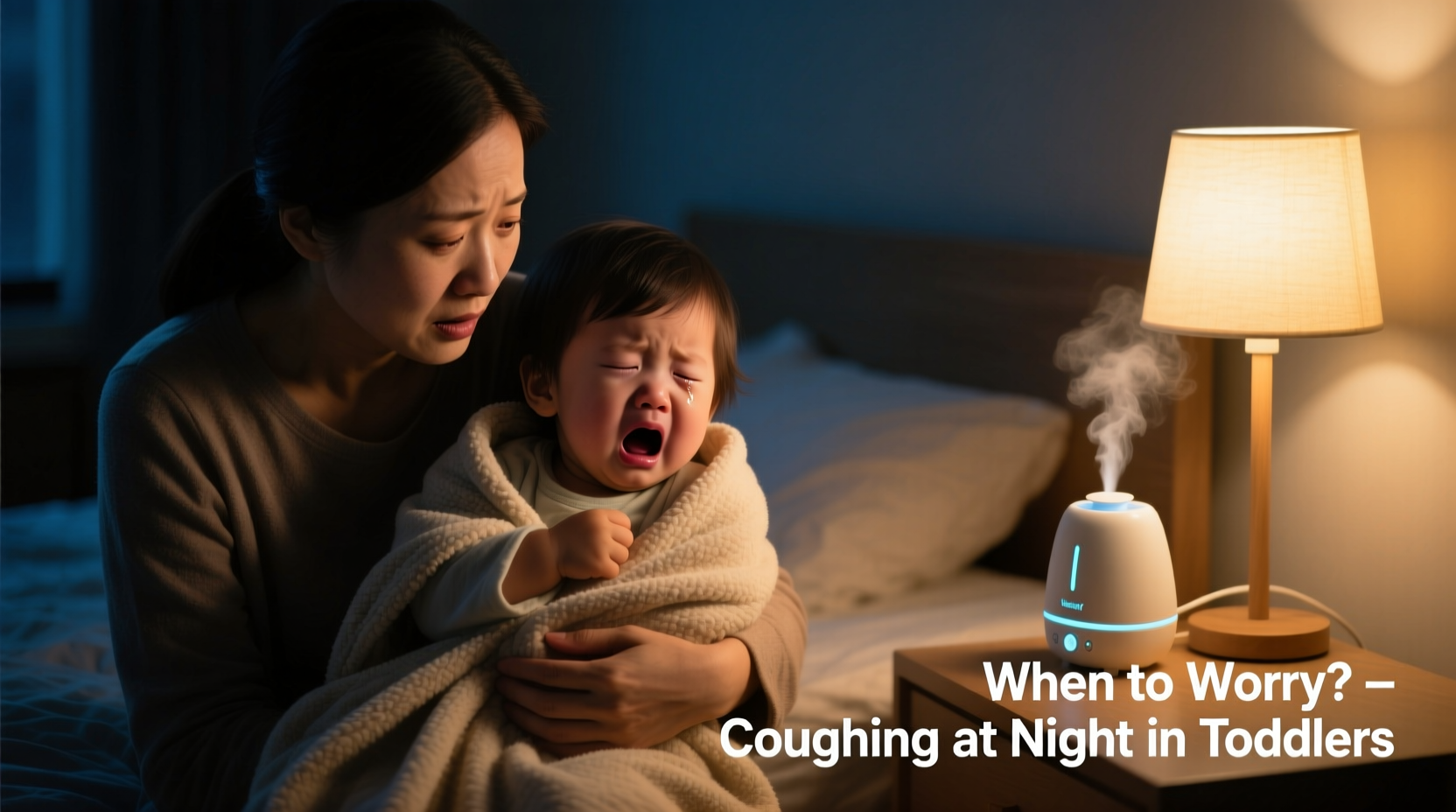
Toddlers are prone to respiratory issues because their airways are still developing and their immune systems are learning to fight off infections. Several factors can trigger or worsen coughing at night:
- Postnasal drip: Mucus from a cold or allergies drains down the back of the throat while lying down, irritating the airway and triggering cough reflexes.
- Viral infections: Common colds, croup, RSV, or flu often peak at night due to natural circadian changes in airway resistance.
- Asthma: Nocturnal coughing is a hallmark symptom. Airway inflammation increases at night, leading to wheezing and dry coughs.
- Allergies: Dust mites, pet dander, or mold in bedding or the bedroom can cause chronic nighttime irritation.
- Gastroesophageal reflux (GERD): Lying flat can allow stomach acid to rise into the esophagus, causing a sour taste and reflexive coughing.
- Environmental irritants: Dry air, smoke, strong scents, or chemical cleaners can inflame sensitive airways.
Effective Relief Strategies for Nighttime Coughing
Most toddler coughs don’t require medication, especially in children under six, where over-the-counter cough syrups are not recommended. Instead, focus on supportive care that eases symptoms naturally.
Humidify the Air
Dry air aggravates irritated throats. Using a cool-mist humidifier in the bedroom adds moisture, loosens mucus, and soothes airways. Clean the unit daily to prevent mold or bacteria buildup.
Hydration Is Key
Offer warm fluids like water, diluted apple juice, or broth before bed. Hydration thins mucus and keeps mucous membranes moist. Avoid citrus or carbonated drinks, which may worsen reflux.
Nasal Saline and Suction
For toddlers who can't blow their noses, saline drops followed by gentle suction with a bulb syringe can clear nasal congestion and reduce postnasal drip.
Keep the Bedroom Allergen-Free
Wash bedding weekly in hot water, use allergen-proof covers, remove stuffed animals from the bed, and vacuum regularly. Consider removing carpets if dust mites are suspected.
“Nighttime coughing in toddlers is often worse due to posture and reduced cortisol levels at night, which naturally increase airway inflammation.” — Dr. Lena Patel, Pediatric Pulmonologist
Do’s and Don’ts: Managing Toddler Coughs at Home
| Do | Don't |
|---|---|
| Use a cool-mist humidifier | Use a warm-mist humidifier (burn risk) |
| Offer fluids frequently | Give honey to children under 1 year (risk of botulism) |
| Elevate the head of the mattress | Use pillows for children under 2 (choking hazard) |
| Clean toys and pacifiers regularly | Expose child to smoke or strong fragrances |
| Monitor breathing patterns | Suppress a productive cough—it helps clear mucus |
When to Worry: Red Flags That Require Medical Attention
While most coughs resolve within a week or two, certain symptoms indicate the need for prompt evaluation by a pediatrician.
- Difficulty breathing: Rapid breathing, flaring nostrils, chest retractions (skin pulling in around ribs), or grunting.
- High-pitched sounds: Wheezing or stridor (a harsh, barking noise during inhalation) may suggest croup or asthma.
- Persistent fever: A fever lasting more than 3 days or rising above 102°F (39°C).
- Cyanosis: Bluish tint around lips or face, indicating low oxygen.
- Dehydration: Fewer wet diapers, dry mouth, no tears when crying.
- Cough lasting over 2 weeks: Could indicate asthma, pneumonia, or pertussis (whooping cough).
- Cough with vomiting: Especially if frequent or accompanied by weight loss or poor feeding.
Mini Case Study: Emma, Age 2
Emma had been coughing at night for five nights straight. Her parents noticed it started after a mild cold but persisted even after her runny nose improved. She wasn’t running a fever, but she would wake up gasping occasionally. They used a humidifier and offered extra fluids, but the cough didn’t improve. At the pediatrician’s office, the doctor listened closely and heard faint wheezing. Emma was diagnosed with mild viral-induced asthma. With a short course of an inhaled bronchodilator at bedtime, her cough resolved within three days. This case highlights how asthma can present primarily as a nighttime cough without obvious wheezing at home.
Step-by-Step Guide: Responding to a Coughing Episode at Night
- Stay calm: Your composure helps reassure your toddler.
- Sit them upright: Gravity helps ease breathing and reduces reflux.
- Offer sips of water: Soothes the throat and clears irritation.
- Use a humidifier: Turn it on if not already running.
- Check for signs of distress: Look for labored breathing, color changes, or lethargy.
- Time the episode: Note duration and frequency.
- Contact your pediatrician: If symptoms persist, worsen, or include red flags.
Frequently Asked Questions
Can I give my toddler cough medicine?
No. The FDA and AAP advise against over-the-counter cough and cold medicines for children under 6 due to risks of side effects and lack of proven benefit. Honey (for children over 1 year) is a safer alternative for soothing coughs.
Why does my toddler only cough at night and not during the day?
This pattern often points to postnasal drip or asthma. Lying down increases mucus drainage and decreases lung capacity. Additionally, indoor allergens or dry air at night may act as triggers only in the sleeping environment.
Is a barking cough dangerous?
A barking or seal-like cough is typical of croup, usually caused by a viral infection. Mild cases can be managed at home with cool air (e.g., sitting near an open freezer or going outside briefly). However, if your child has stridor at rest, difficulty breathing, or appears anxious, seek medical help immediately.
Conclusion: Be Proactive, Not Panic
Nighttime coughing in toddlers is common and often manageable at home with simple environmental and comfort measures. By understanding the likely causes and knowing how to respond, you can reduce both your child’s discomfort and your own anxiety. Always trust your instincts—if something feels off, contact your pediatrician. Early intervention can prevent minor issues from becoming serious complications.




 浙公网安备
33010002000092号
浙公网安备
33010002000092号 浙B2-20120091-4
Comments
No comments yet. Why don't you start the discussion?