
The combination of tomatoes and thyme is a cornerstone of Mediterranean cuisine, revered for its balance of bright acidity and earthy warmth. This pairing transcends seasonal limitations—equally at home in summer’s sun-warmed heirlooms as in winter’s slow-simmered sauces. For cooks seeking depth without heaviness, or elegance without complexity, the union of tomato and thyme delivers reliably rich results. Understanding how to harness their synergy elevates everyday dishes, turning simple ingredients into layered culinary statements. Whether roasting, stewing, blending into soups, or layering into tarts, this duo offers both versatility and refinement.
Definition & Overview
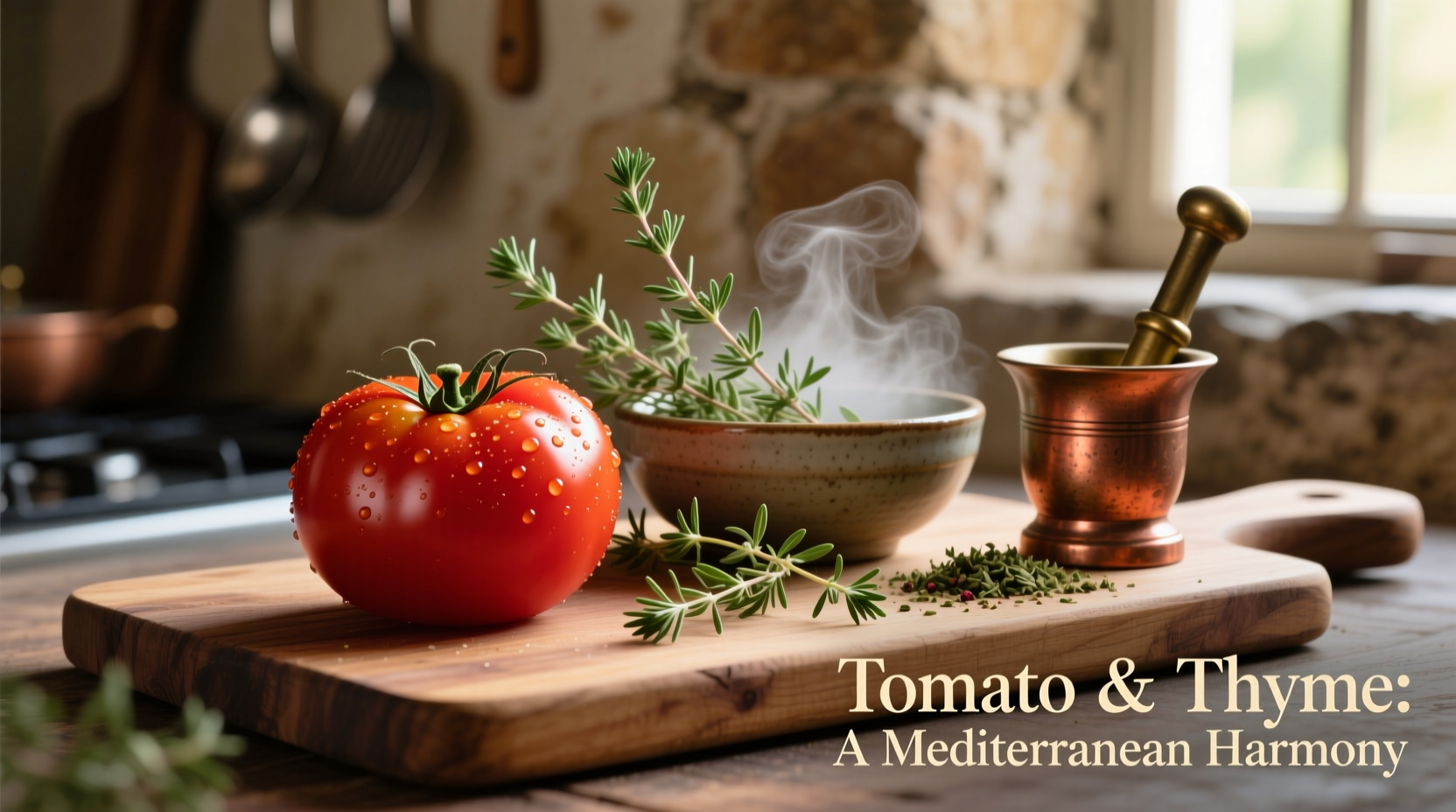
Tomatoes (Solanum lycopersicum) are botanically classified as fruits but culinarily treated as vegetables. Native to western South America, they were introduced to Europe in the 16th century and have since become fundamental in global cuisines. Their flavor spans from sweet and floral to tart and umami-rich, depending on variety and ripeness. Tomatoes contribute moisture, acidity, color, and body to dishes, functioning as bases for sauces, components in salads, or vehicles for other flavors.
Thyme (Thymus vulgaris) is a perennial herb in the mint family, native to the Mediterranean region. It features small, narrow leaves on woody stems and emits a complex aroma combining notes of camphor, mint, lemon, and subtle earthiness. As a culinary herb, thyme acts as a background enhancer—rarely dominant, yet indispensable in building savory depth. Its essential oils contain thymol, which contributes not only flavor but also antimicrobial properties historically valued in food preservation.
Together, tomato and thyme form a harmonious bridge between freshness and savoriness. The fruit’s natural sugars and acidity are tempered by thyme’s dry, herbal restraint, preventing cloyingness while enhancing complexity. This pairing works particularly well in long-cooked applications where thyme’s volatile oils infuse slowly, but it also shines in raw preparations when used judiciously.
Key Characteristics
| Characteristic | Tomato | Thyme |
|---|---|---|
| Flavor Profile | Bright, acidic, sweet, umami; varies by cultivar | Earthy, slightly minty, camphorous, with citrus undertones |
| Aroma | Green, fruity, floral (especially in ripe varieties) | Pine-like, herbal, warm, faintly medicinal |
| Color/Form | Red, yellow, purple, green; round, oblong, cherry-sized | Small green-gray leaves on thin woody stems |
| Heat Tolerance | Breaks down when cooked; concentrates in reduction | Withstands long cooking; flavor deepens over time |
| Culinary Function | Base ingredient, acidulator, thickener (when reduced) | Background aromatic, flavor builder, bouquet garni component |
| Shelf Life | 3–7 days at room temp; up to 2 weeks refrigerated (texture degrades) | Fresh: 10–14 days refrigerated; dried: 6–12 months airtight |
Practical Usage: How to Combine Tomato and Thyme
The success of tomato and thyme pairings lies in timing, proportion, and preparation method. Below are proven applications across cooking styles, with guidance on technique and ratios.
1. Roasted Tomatoes with Fresh Thyme
Roasting intensifies tomato sweetness while allowing thyme to mellow into a smoky whisper. Use plum or cherry tomatoes for best results.
- Toss halved tomatoes with olive oil, salt, pepper, and 3–4 sprigs of fresh thyme per baking sheet.
- Raise oven to 375°F (190°C) and roast 30–45 minutes until edges caramelize.
- Remove thyme stems before serving. Use as a side, pasta topping, or sandwich filling.
Pro Tip: Add a splash of balsamic vinegar before roasting to amplify sweetness and deepen color. The acidity balances thyme’s dryness, creating a richer finish.
2. Tomato Sauce with Slow-Infused Thyme
This is the foundation of countless Italian, Provençal, and North African dishes. Thyme should be added early to allow full extraction.
- Sauté onions and garlic in olive oil over medium-low heat.
- Add 1–2 sprigs of fresh thyme (or ½ tsp dried) and cook 1 minute to release oils.
- Stir in crushed tomatoes and simmer uncovered for 45–90 minutes.
- Discard whole sprigs before finishing; adjust seasoning with salt and a pinch of sugar if needed.
Dried thyme works well here due to prolonged cooking, but fresh yields a brighter profile. Ratio: 1 tsp dried thyme per 28 oz can of tomatoes.
3. Stews and Braises
In beef daube, chicken fricassee, or white bean cassoulet, thyme complements tomatoes’ acidity while reinforcing savory depth. Use whole sprigs tied in cheesecloth or included loose (to be removed later).
- Add one 4-inch sprig per quart of liquid.
- Pair with bay leaf and garlic for classic French bouquet garni.
- Tomato paste browned in oil before adding liquid enhances Maillard reaction and integrates thyme more fully.
4. Raw Applications: Salsas and Salads
Use thyme sparingly in uncooked dishes. Finely mince leaves and combine with diced tomatoes, red onion, cilantro, lime juice, and salt for a Provençal-inspired salsa.
- Limoncello-Thyme Tomato Salad: Mix heirloom tomatoes with micro-thyme, lemon zest, olive oil, flaky salt, and torn basil.
- Ratio: ½ tsp finely chopped fresh thyme per 2 cups tomatoes—overuse creates bitterness.
5. Egg Dishes and Tarts
Thyme and tomato elevate frittatas, quiches, and savory galettes. Layer roasted tomatoes at the base and sprinkle thyme into the custard.
- For a tomato-thyme tart: Blind-bake crust, spread with fromage blanc or ricotta, top with overlapping tomato slices, drizzle with olive oil, and scatter thyme leaves.
- Bake at 375°F (190°C) for 25–30 minutes until golden.
6. Infused Oils and Vinegars
Create lasting flavor carriers by steeping thyme in tomato-based liquids.
- Combine 1 cup tomato water (strained juice from macerated tomatoes), 3 sprigs thyme, and ¾ cup neutral oil. Blend briefly and let sit 2 hours. Strain and use in dressings.
- Or infuse red wine vinegar with thyme and a few tomato skins for 3 days—ideal for marinades.
Storage Note: Do not store fresh herbs in oil at room temperature due to botulism risk. Refrigerate infused oils and use within 4 days, or freeze in ice cube trays for longer storage.
Variants & Types
Not all tomatoes or thymes behave the same. Choosing the right variant affects texture, intensity, and compatibility.
Tomato Varieties and Best Uses with Thyme
- Roma/Plum: Low moisture, high flesh-to-juice ratio. Ideal for sauces and roasting. Pairs beautifully with robust thyme presence.
- Cherry/Grape: Sweet and concentrated. Excellent roasted with thyme and tossed into grain bowls or pastas.
- Heirloom: Variable acidity and sugar levels. Best in raw or lightly dressed preparations. Use young, tender thyme leaves to avoid overpowering delicate flavors.
- Green Tomatoes: Tart and firm. Work well in chutneys with thyme, mustard seeds, and apple cider vinegar.
- Canned Whole/Peeled: Consistent flavor, available year-round. Preferred for winter stews and soups. San Marzano types offer balanced sweetness.
Thyme Varietals
- Common Thyme (Thymus vulgaris): The standard for cooking. Earthy and resilient under heat.
- Lemon Thyme (Thymus citriodorus): Citrus-forward aroma. Complements yellow tomatoes or tomato-watermelon salads. Use 1:1 substitution, but reduce other acids.
- French Thyme: Slightly more floral and less camphorous than common thyme. Preferred in delicate sauces.
- Winter Thyme: Hardier, more pungent. Suitable for long braises.
- Dried vs. Fresh: Dried thyme is more concentrated—use ⅓ the amount of fresh. Rehydrate in warm liquid for better dispersion.
| Tomato Type | Best Thyme Match | Dish Example |
|---|---|---|
| Canned crushed | Dried common thyme | Marinara sauce |
| Cherry tomatoes | Fresh common or lemon thyme | Roasted pasta topping |
| Green tomatoes | Fresh common thyme | Chutney with onions and spices |
| Heirloom slices | Micro-thyme or lemon thyme | Summer salad with burrata |
| Tomato paste | Dried or fresh thyme (browned together) | Bolognese, stews |
Comparison with Similar Ingredients
Thyme is often confused with other herbs, but its role in tomato dishes is distinct.
| Herb | Flavor Difference | Effect in Tomato Dishes |
|---|---|---|
| Oregano | Bolder, spicier, more peppery | Overpowers delicate tomatoes; better in bold pizzas or Greek salads. Often paired with thyme, not as substitute. |
| Marjoram | Sweeter, milder cousin of oregano | Softer accent; suitable in fresh tomato salads but lacks thyme’s structural depth in cooking. |
| Rosemary | Pine-like, very strong, resinous | Can dominate tomatoes; use sparingly. Better with root vegetables or lamb-tomato combinations. |
| Basil | Peppery-sweet, anise-like, highly aromatic | Complements tomatoes differently—bright and immediate. Basil is front-of-palate; thyme is backnote. Use together for layered effect. |
\"Thyme doesn’t shout. It’s the quiet architect of flavor—holding the structure together so other ingredients can shine. With tomatoes, it prevents monotony in acidity by adding a whisper of earth.\" — Chef Lila Moreau, former sous-chef at Le Bernardin
Practical Tips & FAQs
How much thyme should I use with tomatoes?
Start with 1 teaspoon chopped fresh thyme per pound of tomatoes. For dried, use ¼ to ½ teaspoon. Taste after 10 minutes of cooking and adjust. Remember: thyme’s flavor builds gradually.
Should I remove thyme stems before serving?
Yes. Stems are woody and unpleasant to eat. If using whole sprigs in stews or sauces, add them during cooking and remove before serving. For raw dishes, strip leaves and chop finely.
Can I substitute dried thyme for fresh?
Yes, but adjust quantity. Use 1 part dried thyme for every 3 parts fresh. Dried thyme is more stable and better suited to long-cooked dishes. Fresh excels in finishing or cold applications.
What proteins pair best with tomato and thyme?
- Chicken: Poached, roasted, or in fricassee—thyme penetrates meat well.
- Beef: Especially in short ribs or pot roast with tomato glaze.
- White Fish: Cod or halibut baked under a crust of tomatoes and thyme.
- Lamb: Shoulder braised with tomatoes, thyme, and olives.
- Legumes: Lentils, chickpeas, and cannellini beans absorb the pairing beautifully.
How to store fresh thyme?
Wrap in a slightly damp paper towel and place in a sealed container in the refrigerator crisper drawer. Lasts 10–14 days. Alternatively, freeze whole sprigs in olive oil cubes for cooking use.
Can I grow thyme alongside tomatoes?
Horticulturally, yes. Thyme is a beneficial companion plant—it repels certain pests and thrives in similar sunny, well-drained conditions. However, harvest separately to avoid cross-contamination of flavors during washing.
Is there a vegan application that highlights this pairing?
Absolutely. A lentil and tomato stew with thyme, smoked paprika, and kale makes a hearty plant-based main. Simmer brown or green lentils in tomato broth with two thyme sprigs until tender. Finish with lemon juice and parsley.
Quick Flavor Boost: When making tomato soup, sauté thyme with onions and carrots. After blending, swirl in a few drops of thyme-infused olive oil for aromatic lift.
Summary & Key Takeaways
The pairing of tomato and thyme is a masterclass in culinary balance—acidity grounded by earthiness, sweetness restrained by herbal clarity. This combination is not merely traditional; it is scientifically sound, leveraging complementary flavor compounds that enhance rather than compete.
Key points to remember:
- Use fresh thyme in raw or quick-cooked tomato dishes; dried works best in long simmers.
- Always remove woody stems before serving.
- Roma and cherry tomatoes respond most favorably to thyme in cooked applications.
- Combine with alliums and healthy fats to maximize flavor extraction.
- Balance with fat (olive oil, cheese) and acid (vinegar, citrus) to round out the palate.
- Store properly to preserve potency—refrigerate fresh, airtight-dry for dried.
From rustic ratatouille to refined consommé, the tomato-thyme alliance remains timeless because it adapts. It supports innovation while honoring tradition. For the home cook, mastering this pairing unlocks a foundational skill: understanding how subtle herbs can transform familiar ingredients into something greater than the sum of their parts.
Try this tonight: Roast cherry tomatoes with olive oil, sea salt, and fresh thyme at 400°F for 30 minutes. Toss with cooked farro, shaved Parmesan, and a squeeze of lemon. A ten-minute dish that tastes like it took hours.




 浙公网安备
33010002000092号
浙公网安备
33010002000092号 浙B2-20120091-4
Comments
No comments yet. Why don't you start the discussion?