
Bad breath, or halitosis, affects millions of people worldwide—often without them realizing it. While many focus on brushing teeth and using mouthwash, one of the most overlooked contributors to persistent odor is the surface of the tongue. Coated with tiny projections called papillae, the tongue acts as a breeding ground for odor-causing bacteria, food debris, and dead cells. This has led to a growing debate: Is tongue scraping more effective than brushing the tongue for reducing bad breath? The answer isn't just about preference—it's rooted in anatomy, microbiology, and clinical evidence.
Anatomy of the Tongue and Its Role in Bad Breath
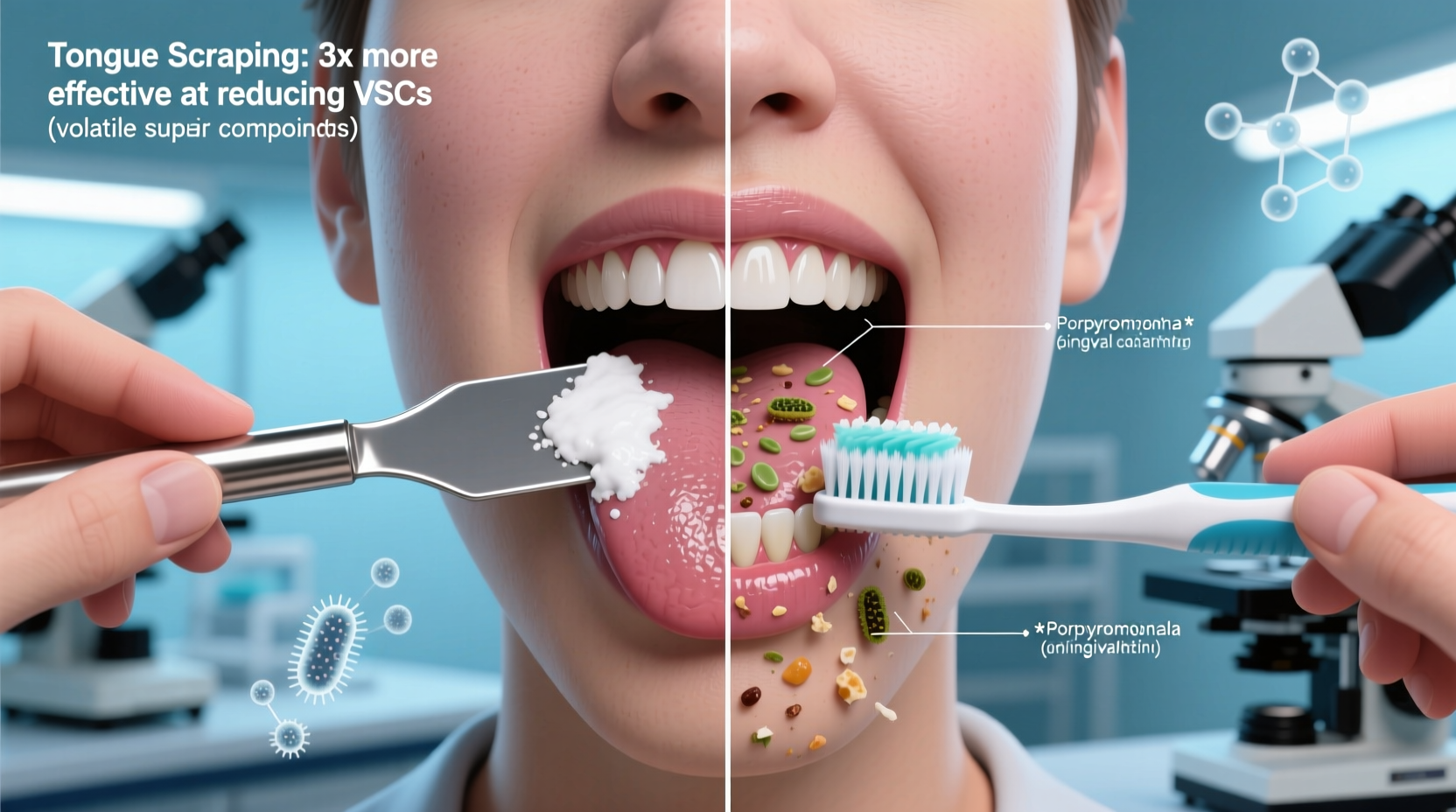
The human tongue is not a smooth surface. It’s covered in small bumps known as filiform and fungiform papillae, which create a rough terrain ideal for trapping microorganisms. These crevices become reservoirs for volatile sulfur compounds (VSCs), the primary culprits behind foul odors. Bacteria such as *Fusobacterium* and *Porphyromonas gingivalis* thrive in this anaerobic environment, feeding on proteins from shed epithelial cells and leftover food particles.
When these microbes metabolize proteins, they release sulfur gases like hydrogen sulfide and methyl mercaptan—gases that smell like rotten eggs or decaying cabbage. Unlike transient odors from garlic or coffee, these are chronic, endogenous sources of halitosis that require mechanical disruption to eliminate.
This is where tongue cleaning comes in. But not all methods are equally effective at reaching deep into the papillae and removing biofilm buildup.
Tongue Scraping: How It Works and Why It’s Effective
Tongue scraping involves using a rigid, often curved tool—typically made of metal or plastic—to physically remove debris from the dorsal surface of the tongue. The motion is a firm but gentle pull from back to front, repeated several times. Unlike brushing, scraping applies broad, even pressure across the entire width of the tongue, dislodging material trapped between papillae.
Studies have shown that tongue scrapers can reduce VSC levels by up to 75% after a single use. A 2004 study published in the Journal of Periodontology found that participants who used a tongue scraper twice daily experienced significantly greater reductions in morning breath odor compared to those who only brushed their teeth or rinsed with mouthwash.
“Mechanical debridement of the tongue is essential for controlling oral malodor. Scrapers are superior because they don’t press debris deeper into the papillae.” — Dr. Harold Katz, Founder of the California Breath Clinics
Because scrapers glide over the surface rather than agitate it, they minimize the risk of pushing bacteria further down into the tissue. They also tend to cover more surface area per stroke than a toothbrush, making them more efficient.
Brushing the Tongue: Benefits and Limitations
Using a toothbrush to clean the tongue is more common, simply because most people already own one. Many modern toothbrushes even feature textured rubber bristles on the back designed specifically for tongue cleaning.
While brushing does remove some surface bacteria and debris, its effectiveness is limited. Nylon bristles can push microbes deeper into the papillae instead of lifting them away. Additionally, the smaller contact area means multiple strokes are needed to cover the full tongue, increasing gag reflex sensitivity and reducing compliance.
A comparative study in the International Journal of Dental Hygiene concluded that while both methods reduce bad breath, tongue scraping provided longer-lasting results—up to 3 hours more reduction in VSCs than brushing alone.
That said, brushing the tongue is still better than doing nothing. For individuals with sensitive gag reflexes, a soft-bristled brush may be more tolerable than a metal scraper, especially when starting a new routine.
Comparative Analysis: Tongue Scraping vs Brushing
| Factor | Tongue Scraping | Brushing the Tongue |
|---|---|---|
| Effectiveness in Reducing VSCs | High – removes up to 75% of odor-causing compounds | Moderate – reduces 45–50% of compounds |
| Coverage Area per Stroke | Full width of the tongue | Narrow, requires multiple passes |
| Risk of Pushing Bacteria Deeper | Low – gliding action lifts debris | Moderate – bristles may embed particles |
| Gag Reflex Trigger | Moderate – depends on technique | High – repeated back-and-forth motion increases irritation |
| Durability & Maintenance | Long-lasting (especially metal) | Bristles wear out; needs replacement |
| Cost | $5–$15 one-time purchase | Already owned (toothbrush) |
Step-by-Step Guide to Proper Tongue Cleaning
Whether you choose scraping or brushing, technique matters. Follow this sequence for maximum impact:
- Choose your tool: Select a stainless steel or plastic tongue scraper, or use the tongue-cleaning side of your toothbrush.
- Stand in front of a mirror: Position yourself so you can see the back of your tongue clearly.
- Extend your tongue: Protrude it fully to expose the posterior third—the area most responsible for odor.
- Start at the back: Place the scraper or brush as far back as comfortable without triggering vomiting.
- Move forward with steady pressure: Pull the tool toward the tip in one smooth motion. Do not scrub back and forth.
- Rinse the tool: After each stroke, wash off collected debris under running water.
- Repeat 3–5 times: Until the surface appears clean and no more white or yellow coating transfers to the tool.
- Rinse your mouth: Use water or an alcohol-free mouthwash to flush away loosened bacteria.
Real-World Example: A Case Study in Chronic Halitosis
James, a 38-year-old office worker, visited a dental hygienist complaining of persistent bad breath despite brushing twice daily and using mouthwash. His dentist found no cavities or gum disease, but noticed a thick white coating on the back of his tongue. James admitted he never cleaned his tongue.
The hygienist recommended adding a copper tongue scraper to his routine. Within three days, James reported noticeable improvement. After two weeks, his partner confirmed the change. A follow-up VSC measurement showed a 70% drop in sulfur levels. The key? Consistent scraping—every morning and night—without skipping days.
James initially struggled with the gag reflex but adapted by breathing steadily through his nose and shortening his strokes. He now prefers the scraper over brushing, citing less irritation and faster results.
Expert Recommendations and Best Practices
Dental professionals increasingly advocate for tongue cleaning as a standard part of oral hygiene. The American Dental Association (ADA) states that while there is no official endorsement of tongue scrapers, mechanical cleaning of the tongue is “a beneficial adjunct to toothbrushing.”
Dr. Susan Maples, pediatric dentist and author of Blabber Mouth!, emphasizes consistency: “It doesn’t matter if you use a $2 scraper or the back of a spoon—as long as you do it daily. The real issue is habit formation.”
For optimal outcomes, experts recommend combining tongue cleaning with other practices:
- Flossing daily to prevent subgingival bacteria from contributing to oral odor
- Using pH-balanced, alcohol-free mouthwashes to avoid drying out mucosal tissues
- Staying hydrated—dry mouth accelerates bacterial growth
- Scheduling regular professional cleanings to address hidden plaque and calculus
Frequently Asked Questions
Can tongue scraping damage the taste buds?
No, when done correctly, tongue scraping does not harm taste buds. The papillae are resilient and regenerate quickly. Avoid excessive force or aggressive sawing motions to prevent micro-abrasions.
How often should I replace my tongue scraper?
Stainless steel scrapers last indefinitely with proper cleaning. Plastic models should be replaced every 3–6 months or if they show signs of warping or pitting. Always rinse and dry your scraper after use to prevent microbial buildup.
Is tongue scraping necessary if I brush my teeth thoroughly?
Yes. Even excellent tooth brushing leaves the tongue untouched. Over 50% of oral bacteria reside on the tongue’s surface. Skipping tongue cleaning is like mopping a floor while ignoring a pile of dirt in the corner.
Checklist: Your Daily Tongue-Cleaning Routine
- ☐ Choose a dedicated tongue scraper or dual-sided toothbrush
- ☐ Clean your tongue every morning and night
- ☐ Start from the back and pull forward in one motion
- ☐ Rinse the tool after each stroke
- ☐ Perform 3–5 passes until surface looks clean
- ☐ Rinse mouth with water or non-alcoholic mouthwash
- ☐ Store scraper in a dry place; sanitize weekly
Final Verdict: Does the Tool Actually Reduce Bad Breath More?
The evidence is clear: tongue scraping is more effective than brushing the tongue at reducing bad breath. Its design allows for broader coverage, gentler removal of biofilm, and less risk of embedding bacteria. Clinical studies consistently show greater and longer-lasting reductions in volatile sulfur compounds when scraping is used regularly.
However, the best method is the one you’ll stick with. If a toothbrush feels more comfortable and encourages daily use, it’s still a valuable tool. The critical factor isn’t the device—it’s consistency. Incorporating tongue cleaning into your existing routine doubles your defense against halitosis.
For those serious about fresh breath and improved oral health, investing in a simple, durable tongue scraper is a low-cost, high-impact upgrade. Pair it with proper hydration, flossing, and regular dental visits, and you’ll not only breathe easier—you’ll feel more confident in close conversations.




 浙公网安备
33010002000092号
浙公网安备
33010002000092号 浙B2-20120091-4
Comments
No comments yet. Why don't you start the discussion?