
Tongue twitching—also known as fasciculations—is a subtle but often unsettling experience. It may feel like a slight flutter, spasm, or involuntary movement under the surface of the tongue. While most cases are harmless and temporary, persistent or worsening twitching can signal underlying neurological or systemic conditions. Understanding the root causes, accompanying symptoms, and warning signs is essential for knowing when to take action.
What Causes Tongue Twitching?
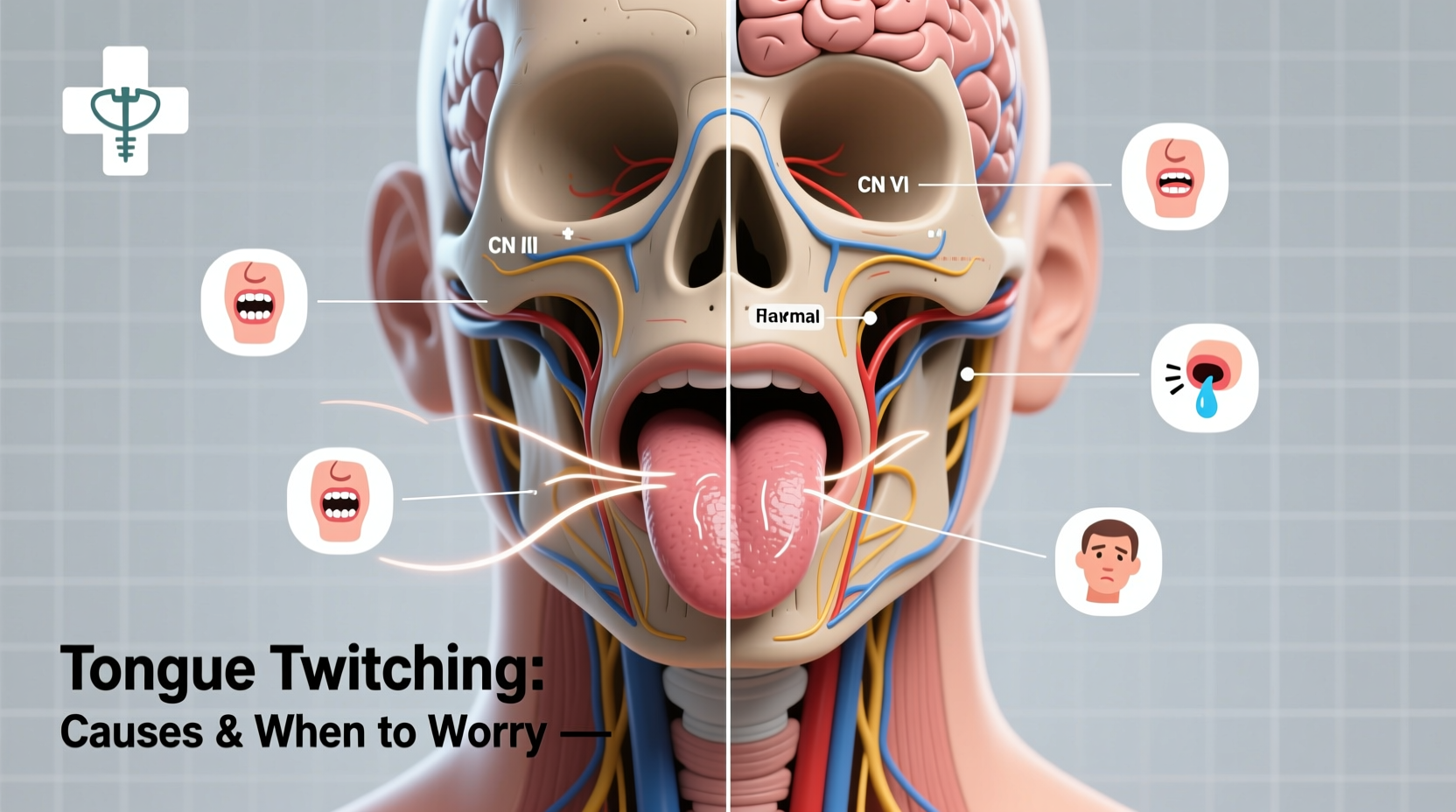
Tongue twitching occurs when the motor nerves controlling the muscles of the tongue fire spontaneously. These small, random contractions are usually benign, but they can stem from various factors ranging from lifestyle habits to serious neurological disorders.
- Stress and anxiety: Elevated cortisol levels can increase nerve excitability, leading to muscle twitches anywhere in the body—including the tongue.
- Fatigue and lack of sleep: Sleep deprivation disrupts normal nervous system function, making muscle spasms more likely.
- Caffeine and stimulants: Excessive coffee, energy drinks, or certain medications may overstimulate nerves.
- Nutritional deficiencies: Low levels of magnesium, calcium, potassium, or vitamin B12 impair nerve-muscle communication.
- Dehydration: Electrolyte imbalances affect nerve signaling and muscle control.
- Physical trauma: Injury to the mouth, tongue, or facial nerves during dental work or surgery can trigger temporary twitching.
Neurological Conditions Linked to Tongue Twitching
While occasional tongue flickers are typically nothing to worry about, recurrent or progressive twitching may point to neuromuscular disorders. The tongue is densely innervated by the hypoglossal nerve (cranial nerve XII), making it a sensitive indicator of nervous system health.
One of the most concerning associations is with amyotrophic lateral sclerosis (ALS), a progressive neurodegenerative disease. In ALS, degeneration of motor neurons leads to muscle weakness, atrophy, and fasciculations—often starting in the hands, feet, or speech muscles like those in the tongue.
“Tongue fasciculations, especially when accompanied by slurred speech or difficulty swallowing, warrant prompt neurological evaluation.” — Dr. Rebecca Lin, Neurologist and Neuromuscular Specialist
Other neurological conditions that may present with tongue twitching include:
- Multiple Sclerosis (MS): Autoimmune damage to nerve insulation can disrupt signals to the tongue.
- Myasthenia Gravis: An autoimmune disorder affecting neuromuscular transmission, sometimes causing tongue fatigue and tremors.
- Peripheral neuropathy: Nerve damage due to diabetes, toxins, or infections may manifest in cranial nerves.
- Bulbar palsy: A condition involving the brainstem that affects muscles used in speaking and swallowing.
Symptoms That Accompany Concerning Tongue Twitching
Isolated, brief tongue twitches without other symptoms are rarely dangerous. However, when twitching appears alongside specific red flags, it’s time to consult a healthcare provider.
| Symptom | Benign Cause Likely? | Potential Red Flag |
|---|---|---|
| Occasional twitch lasting seconds | ✔️ Yes | ❌ No |
| Visible rippling or worm-like movements | ❌ Rare | ✔️ Possible nerve issue |
| Slurred or slow speech (dysarthria) | ❌ No | ✔️ Neurological concern |
| Drooling or choking while eating | ❌ No | ✔️ Muscle control loss |
| Tongue shrinking or losing bulk | ❌ No | ✔️ Sign of atrophy |
| Twitching spreading to face, arms, or legs | ❌ No | ✔️ Systemic nerve involvement |
The presence of multiple red-flag symptoms—especially muscle atrophy, progressive weakness, or speech changes—should prompt immediate medical assessment.
Mini Case Study: When a Twitch Wasn’t Just Stress
Mark, a 52-year-old teacher, began noticing his tongue twitching occasionally after long workdays. He attributed it to stress and increased coffee intake. Over three months, however, the twitching became constant, and he started stumbling over words during class. His wife noticed he was using smaller bites when eating and seemed to drool slightly at night.
After a visit to a neurologist, Mark underwent an EMG (electromyography) test, which revealed abnormal spontaneous activity in his tongue muscles. Further MRI and blood work led to a diagnosis of early-stage ALS. Though difficult, catching the condition early allowed him to begin treatment, access support services, and plan for future care.
His case illustrates how seemingly minor symptoms, when persistent and progressive, can be critical warning signs.
When Should You Worry? A Step-by-Step Guide
Not every tongue twitch needs emergency attention, but timing matters. Use this timeline to determine your next steps:
- Day 1–3: Observe frequency and triggers. Note whether the twitch occurs after caffeine, stress, or exercise. Track duration and any patterns.
- Week 1: Eliminate reversible causes. Cut back on stimulants, improve hydration, and ensure adequate sleep and nutrition.
- Week 2–3: Watch for progression. If twitching persists daily or worsens, schedule a visit with your primary care physician.
- Month 1: Seek specialist evaluation if:
- Twitching is constant or spreading
- You notice speech or swallowing changes
- There's visible tongue thinning or weakness
- Immediately: Go to a neurologist if you have:
- Family history of ALS or neuromuscular diseases
- Weakness in limbs along with tongue issues
- Difficulty breathing or speaking clearly
Checklist: What to Monitor at Home
Keep a simple log to bring to your doctor. This checklist helps identify patterns and speeds up diagnosis:
- ✅ Date and time of twitching episodes
- ✅ Duration of each episode (seconds, minutes, constant?)
- ✅ Triggers (caffeine, stress, fatigue)
- ✅ Presence of slurred speech
- ✅ Difficulty chewing or swallowing
- ✅ Visible changes in tongue size or texture
- ✅ Other muscle twitches (face, hands, legs)
- ✅ Recent illness, injury, or medication changes
Frequently Asked Questions
Can anxiety really cause my tongue to twitch?
Yes. Anxiety increases sympathetic nervous system activity, which can lead to muscle tension and nerve hyperexcitability. This often results in twitching in various muscles, including the tongue. Managing stress through mindfulness, breathing exercises, or therapy can reduce these episodes.
Is tongue twitching a sign of ALS?
It can be—but not always. ALS often presents with tongue twitching combined with muscle weakness, atrophy, and speech difficulties. Isolated twitching without progression is unlikely to be ALS. However, any persistent or worsening symptoms should be evaluated by a neurologist.
How is tongue twitching diagnosed?
A doctor will perform a neurological exam, assess muscle strength and coordination, and may order tests such as EMG (to measure electrical activity in muscles), blood work (for nutrient levels or autoimmune markers), or MRI (to rule out structural brain issues).
Conclusion: Listen to Your Body, Act with Clarity
Tongue twitching is more common than many realize, and in most cases, it resolves on its own with lifestyle adjustments. But the tongue is a window into the nervous system’s health. Ignoring persistent or worsening symptoms could mean missing a treatable—or manageable—condition.
If you're experiencing ongoing twitching, especially with speech changes, weakness, or atrophy, don't wait. Early evaluation offers the best chance for effective management, whether the cause is nutritional, stress-related, or neurological. Your health is worth the conversation.




 浙公网安备
33010002000092号
浙公网安备
33010002000092号 浙B2-20120091-4
Comments
No comments yet. Why don't you start the discussion?