
In an era where personalized health tracking is essential, knowing your body composition goes far beyond stepping on a basic weight scale. InBody scales have redefined accuracy in bioelectrical impedance analysis (BIA), delivering detailed insights into muscle mass, body fat percentage, visceral fat, hydration levels, and even segmental lean analysis. Trusted by clinics, gyms, and elite athletes worldwide, InBody devices combine medical-grade technology with user-friendly interfaces to support long-term wellness goals.
This guide highlights the top 10 InBody scales currently available, evaluating them based on measurement precision, connectivity features, ease of use, target audience, and real-world performance. Whether you're managing chronic conditions, optimizing athletic performance, or simply committed to holistic health, these devices offer unmatched depth in body composition tracking.
Why InBody Scales Stand Out in Body Composition Analysis
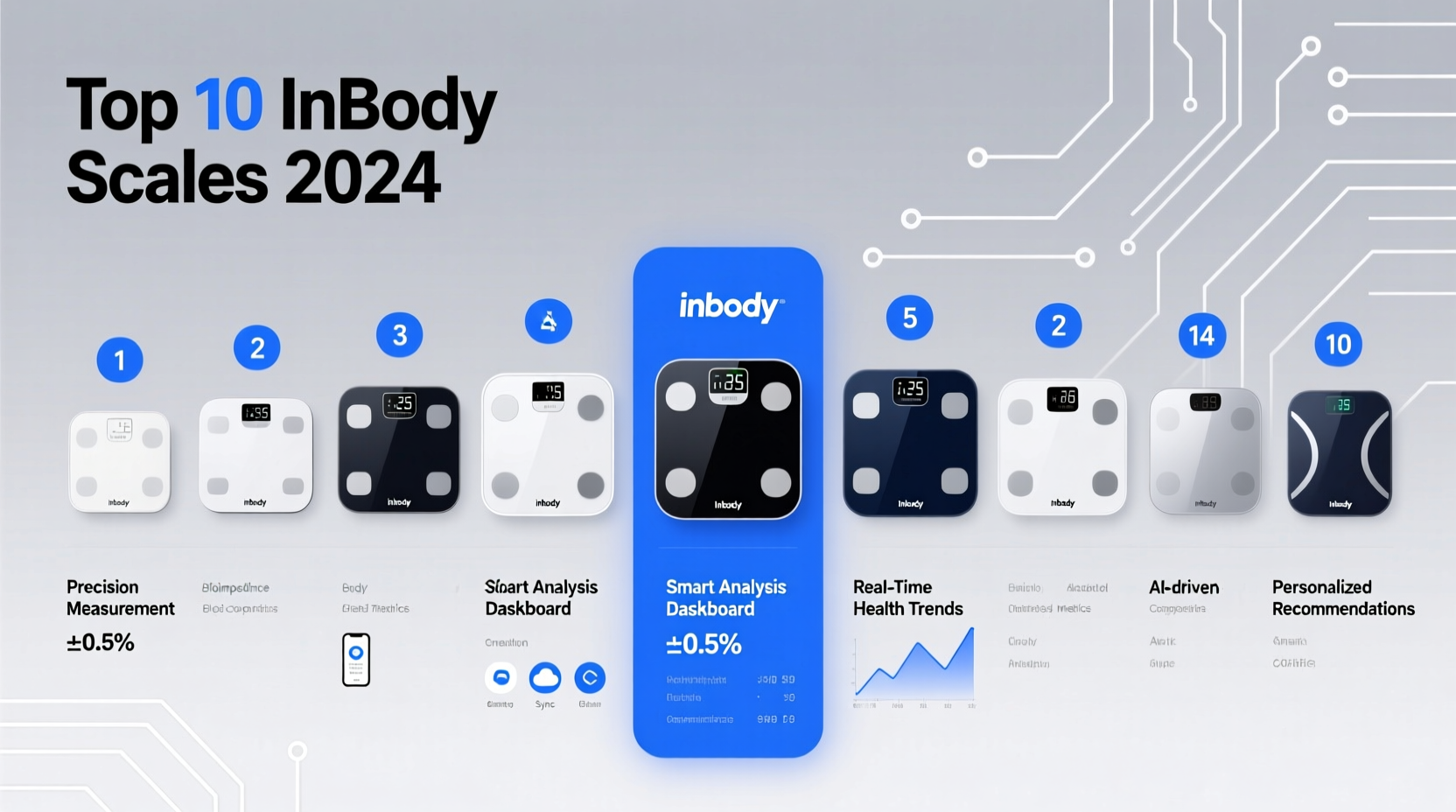
Unlike generic smart scales that estimate body fat using rudimentary algorithms, InBody scales utilize multi-frequency BIA and eight-point tactile electrodes to measure impedance across different body segments—arms, legs, and trunk—separately. This method eliminates guesswork by avoiding reliance on population-based assumptions such as age or gender presets, resulting in more objective and reproducible results.
“Traditional scales tell you how much you weigh. InBody tells you what you’re made of—and that’s the foundation of meaningful progress.” — Dr. Laura Kim, Sports Medicine Physician
The ability to track changes in skeletal muscle mass, basal metabolic rate (BMR), and extracellular water ratio makes InBody scales particularly valuable for individuals undergoing weight loss, rehabilitation, or muscle-building regimens. Their consistency over time allows users and practitioners alike to detect subtle shifts before they manifest on the scale.
Top 10 Best InBody Scales: Features & Comparisons
| Model | Key Features | Accuracy Level | Ideal For | Connectivity |
|---|---|---|---|---|
| InBody 270 | Segmental analysis, no lifestyle inputs, direct segment measurement | Clinical Grade | Hospitals, clinics | RS-232, USB, optional Wi-Fi |
| InBody 370 | Full body scan with hand electrodes, visceral fat tracking | Clinical Grade | Fitness centers, nutritionists | Ethernet, cloud integration |
| InBody 570 | Body fat distribution, ECW/TBW analysis, obesity assessment | High Medical | Weight management clinics | Wi-Fi, email reports |
| InBody 770 | Advanced cellular analysis, phase angle, muscle-fat analysis | Premium Clinical | Research, elite sports | CloudSync, API access |
| InBody BIA 170 | Affordable entry point, core composition metrics | Professional | Home users, small studios | Bluetooth to app |
| InBody Smart Check | Rapid screening mode, touchless operation | Clinical Screening | Corporate wellness programs | Internal network sync |
| InBody H20N | Wall-mounted, compact design, wheelchair accessible | Medical Grade | Clinics with space constraints | Network-ready |
| InBody Band 2 | Wearable companion, trend monitoring between scans | Supportive Tracking | InBody ecosystem users | Bluetooth, mobile app |
| InBody J15 | Japanese-market model, pediatric modes, low BMI calibration | Specialized Clinical | Pediatric care, geriatrics | USB export |
| InBody S10 | Portable, battery-powered, field-deployable | Field Clinical | Mobile health units, events | Bluetooth, offline storage |
How to Choose the Right InBody Scale for Your Needs
Selecting the appropriate InBody device depends on your environment, frequency of use, and analytical requirements. A home user focused on general fitness may not need the full diagnostic suite of the InBody 770, while a clinical practitioner managing metabolic disorders will benefit from its advanced fluid and phase angle metrics.
- For Home Use: The InBody BIA 170 offers excellent value with accurate baseline readings and seamless smartphone syncing via the InBody app.
- Fitness Professionals: The InBody 570 provides actionable data including visceral fat level, segmental lean, and obesity analysis—ideal for client progress tracking.
- Clinical Settings: Models like the InBody 270 and 770 are FDA-cleared and frequently used in hospitals for nutritional assessments and chronic disease monitoring.
- Large-Scale Screenings: The InBody Smart Check enables rapid testing at corporate events or public health campaigns without compromising hygiene.
Real-World Application: A Case Study in Athletic Performance
At a Division I university strength program, coaches integrated the InBody 370 into their athlete evaluation protocol. Over a six-month period, football players underwent biweekly scans to monitor muscle symmetry and hydration status. One linebacker showed a 4% increase in left-leg muscle mass compared to the right—an imbalance flagged early by the segmental analysis feature.
Using this insight, the training staff adjusted his rehab routine to address neuromuscular discrepancies before they led to injury. By season start, bilateral balance improved by 89%, and the player reported greater stability during cutting drills. This example underscores how precise, localized data can drive smarter decisions in performance optimization.
Actionable Checklist Before Purchasing an InBody Scale
- Determine your primary use case: personal, professional, or clinical.
- Verify whether the model requires external hand electrodes or includes built-in ones.
- Check compatibility with existing software systems (e.g., EHR integration).
- Assess space and power requirements—some models require AC outlets and dedicated surfaces.
- Evaluate reporting needs: Do you require printable PDFs, trend graphs, or email sharing?
- Confirm warranty coverage and technical support availability in your region.
- Test accessibility features if serving elderly, disabled, or pediatric populations.
Frequently Asked Questions
Can I use an InBody scale every day?
Yes, daily use is safe and can help identify trends. However, for consistent data, measure under similar conditions—preferably fasted, hydrated, and at the same time each day.
Do InBody scales work for people with pacemakers?
No. Bioelectrical impedance involves sending a low-level electrical current through the body. Individuals with implanted electronic devices such as pacemakers or defibrillators should avoid all BIA-based scales unless cleared by a physician.
How often should I calibrate my InBody scale?
InBody devices are factory-calibrated and do not require regular recalibration. For commercial units, annual verification using standard weights and impedance check tools is recommended to ensure continued accuracy.
Final Thoughts: Investing in Precision Health
Accurate body composition analysis is no longer reserved for research labs. With the right InBody scale, individuals and professionals gain access to insights that empower better decisions—from adjusting training intensity to identifying early signs of sarcopenia or fluid retention. These tools transform vague wellness goals into measurable outcomes.




 浙公网安备
33010002000092号
浙公网安备
33010002000092号 浙B2-20120091-4
Comments
No comments yet. Why don't you start the discussion?