
Lock picking is more than a niche hobby—it's a discipline that blends mechanical understanding, patience, and precision. Whether you're a beginner curious about how locks work or an experienced enthusiast refining your technique, having the right tools makes all the difference. The market is flooded with options, from $10 starter kits to professional-grade sets costing hundreds. Choosing the right tools depends on your experience level, intended use (recreational, educational, or professional), and budget.
This guide cuts through the noise, highlighting ten of the most reliable, well-reviewed lock picking tools available today. Each has been evaluated based on build quality, ergonomics, versatility, and user feedback. Whether you’re opening your first pin tumbler or mastering raking high-security cylinders, there’s a tool here that fits your needs—and your wallet.
What Makes a Great Lock Picking Tool?
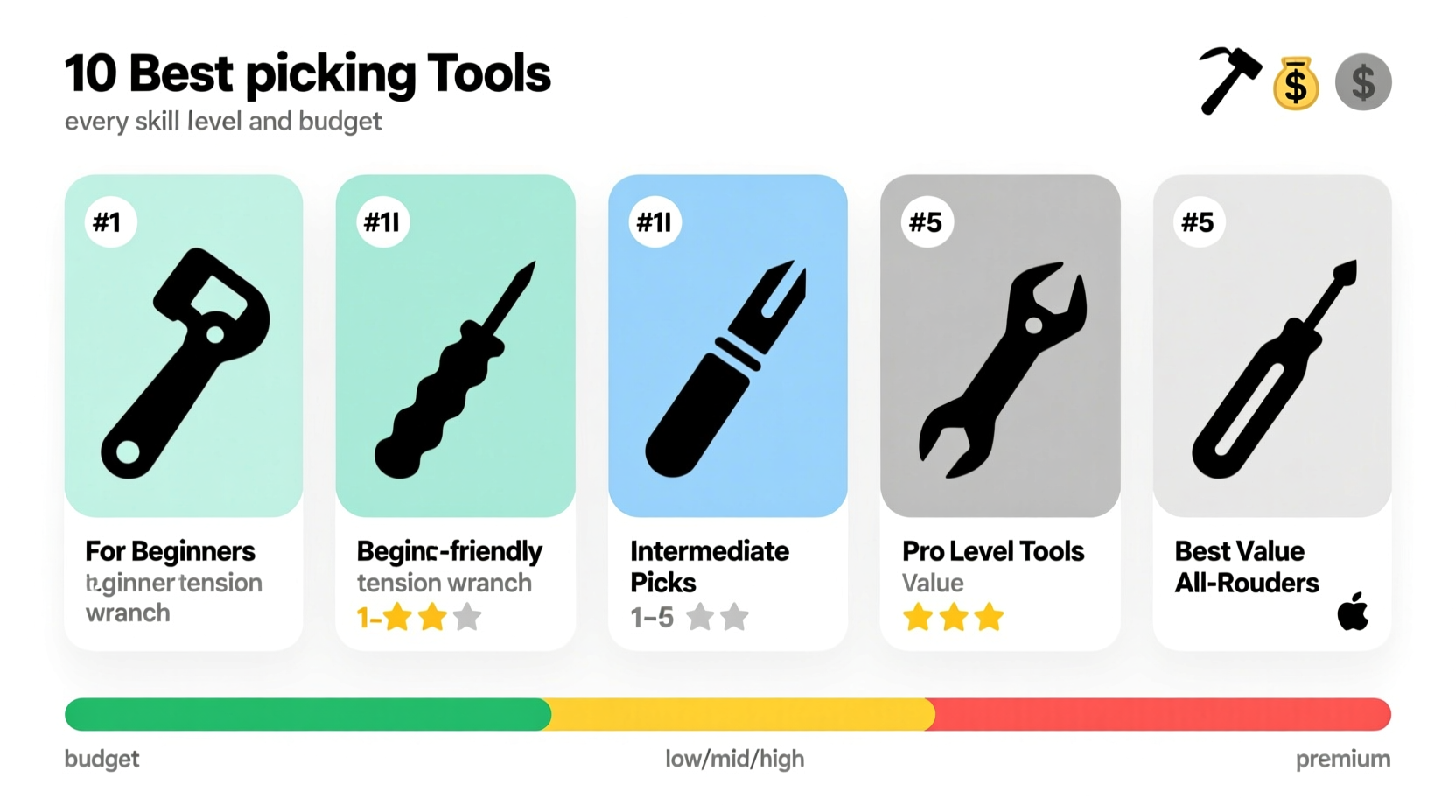
Before diving into specific models, it helps to understand what separates a functional pick from a truly great one. Durability, material composition, and design consistency are key. Most quality picks are made from spring steel or hardened stainless steel, offering both flexibility and resistance to wear. Handles matter too—especially during extended practice sessions. Ergonomic grips reduce hand fatigue and improve control.
Beginners often benefit from sets with multiple pick styles and tension wrenches, while advanced users may prefer single, purpose-built tools crafted for precision. A good set should include at least a hook, rake, diamond, and half-diamond pick, paired with short and long tension wrenches.
“Success in lock picking isn’t just about the tool—it’s about the feel. But without a precise, durable pick, developing that feel becomes nearly impossible.” — Daniel Reeves, Professional Locksmith & Security Consultant
Top 10 Lock Picking Tools Reviewed
- Sparrows BlackBelt Set – Best for Serious Enthusiasts
- SouthOrd PXS-17 Pick Set – Best Value Mid-Range Kit
- Peterson GSP10 – Best for Precision Work
- Thrifty Picker Basic Kit – Best Budget Option
- EZ-PICK Ultimate Kit – Best All-in-One Beginner Package
- LockPickShop Pro Kit (Stainless Steel) – Best Build Quality
- German Silver Slimline Set – Best for Restricted Spaces
- DimondTech Electric Pick Gun – Best for Speed (Advanced Users)
- UDL Pick Company Starter Combo – Best Learning Bundle
- WizBang! FlexPicks – Best for Unusual Keyways
1. Sparrows BlackBelt Set
A favorite among dedicated hobbyists and working locksmiths, this modular system lets users customize their picks with interchangeable tips. Made in the USA from surgical-grade steel, each pick delivers exceptional feedback. The case is discreet and organized, perfect for field use. While expensive (around $250), its durability and performance justify the cost for serious practitioners.
2. SouthOrd PXS-17 Pick Set
Priced under $60, this compact set punches above its weight. It includes 17 tools: hooks, rakes, ball picks, and both L-shaped and offset tension wrenches. The picks are thin enough for tight keyways but sturdy enough for repeated use. Ideal for beginners who want pro-level functionality without the pro-level price.
3. Peterson GSP10 Genuine Sherlock Picks
Made in Germany, these precision-engineered picks are used by law enforcement and competition lock pickers. Each tool is hand-finished for optimal smoothness and sensitivity. The GSP10 set features ten specialized picks, including deep hooks and serrated rakes. Expensive (~$300), but unmatched in tactile response.
4. Thrifty Picker Basic Kit
For under $25, this no-frills kit delivers surprising quality. Includes five essential picks and two tension wrenches. Tools are made from polished carbon steel and housed in a zipper pouch. Not built for heavy use, but excellent for learning fundamentals or carrying as a backup.
5. EZ-PICK Ultimate Kit
One of Amazon’s best-selling kits, EZ-PICK bundles 28 tools, a practice lock, and an instructional DVD. The plastic case doubles as a lock-picking board. While some tools feel flimsy compared to premium brands, the inclusion of a real cylinder for practice adds immense value for newcomers.
Choosing the Right Tool for Your Level
| Skill Level | Recommended Tools | Budget Range | Key Features |
|---|---|---|---|
| Beginner | Thrifty Picker, EZ-PICK, UDL Starter | $20–$50 | Multiple pick types, included practice guide, durable enough for learning |
| Intermediate | SouthOrd PXS-17, LockPickShop Pro | $50–$120 | Better steel, ergonomic handles, compact cases |
| Advanced | Sparrows, Peterson GSP10, DimondTech Gun | $150+ | Customizable, precision-machined, enhanced feedback |
Essential Accessories and Add-Ons
A great pick is only part of the equation. Tension wrenches are just as critical—many beginners overlook them, but the right tension tool can mean the difference between success and frustration. Consider upgrading to twisted or offset wrenches for better leverage in challenging locks.
Practice locks are another worthwhile investment. Models like the Lockout Practice Lock Set allow you to see pin movement, helping you understand how tension and lifting interact. For those interested in high-security locks, consider adding dimple or wafer lock practice units later on.
Mini Case Study: From Novice to Competent in 6 Weeks
Mark, a college student with no prior experience, bought the EZ-PICK Ultimate Kit after watching a YouTube tutorial. He spent 20 minutes daily practicing on the included training lock. By week three, he could open basic padlocks consistently. By week six, he’d picked his apartment’s deadbolt (with permission) using only a hook and short tension wrench. His secret? Consistent practice and starting with minimal tension. “I thought I needed fancy tools,” he said, “but it was the daily repetition that made the difference.”
Step-by-Step Guide to Getting Started
- Choose a beginner-friendly kit with at least a hook, rake, and tension wrench.
- Obtain a practice lock—either included in your kit or purchased separately.
- Learn proper grip and posture: Hold the pick like a pencil and apply gentle, steady pressure with the tension wrench.
- Start with raking to get a feel for pin movement before progressing to single-pin picking.
- Practice daily for 15–30 minutes to build muscle memory and sensitivity.
- Upgrade tools gradually as your skills improve and specific needs arise.
Frequently Asked Questions
Is lock picking legal?
In most countries, owning lock picks is legal. However, using them on locks you don’t own or have explicit permission to pick may constitute criminal trespass or breaking and entering. Always practice ethically and legally—on your own property or with consent.
Can I pick any lock with the right tools?
No. High-security locks with sidebar mechanisms, rotating discs, or magnetic pins (like Abloy or Medeco) require specialized knowledge and tools beyond standard picks. Even then, they’re designed to resist manipulation. Focus on mastering standard pin tumbler locks first.
How do I avoid breaking a pick inside a lock?
Use smooth motions and never force a pick. If you feel excessive resistance, release tension and reposition. High-quality picks made from tempered steel are less likely to snap. Always carry a broken pick extractor if possible.
Final Thoughts and Recommendations
The right lock picking tools empower you to learn efficiently, safely, and effectively. Beginners should prioritize value and variety—kits like the SouthOrd PXS-17 or EZ-PICK offer balanced entry points. Intermediate users benefit from upgraded materials and ergonomics found in LockPickShop or Sparrows sets. For professionals or enthusiasts seeking peak performance, Peterson and Sparrows represent the gold standard.
Remember, tools are only as good as the hands that wield them. Technique, patience, and consistent practice matter far more than the price tag on your picks. Start simple, focus on feedback, and let your skills guide your next upgrade.




 浙公网安备
33010002000092号
浙公网安备
33010002000092号 浙B2-20120091-4
Comments
No comments yet. Why don't you start the discussion?