
Applying foundation with a brush or fingers can leave streaks, uneven texture, or caked-on product. A high-quality makeup blender transforms your routine, offering a seamless, skin-like finish that mimics professional airbrushing. But not all blenders deliver the same results. From density and shape to material and durability, subtle differences impact performance. After testing dozens of options across different skin types and formulas, these are the 10 best makeup blenders that consistently deliver flawless blending, longevity, and comfort.
Why Your Blender Choice Matters
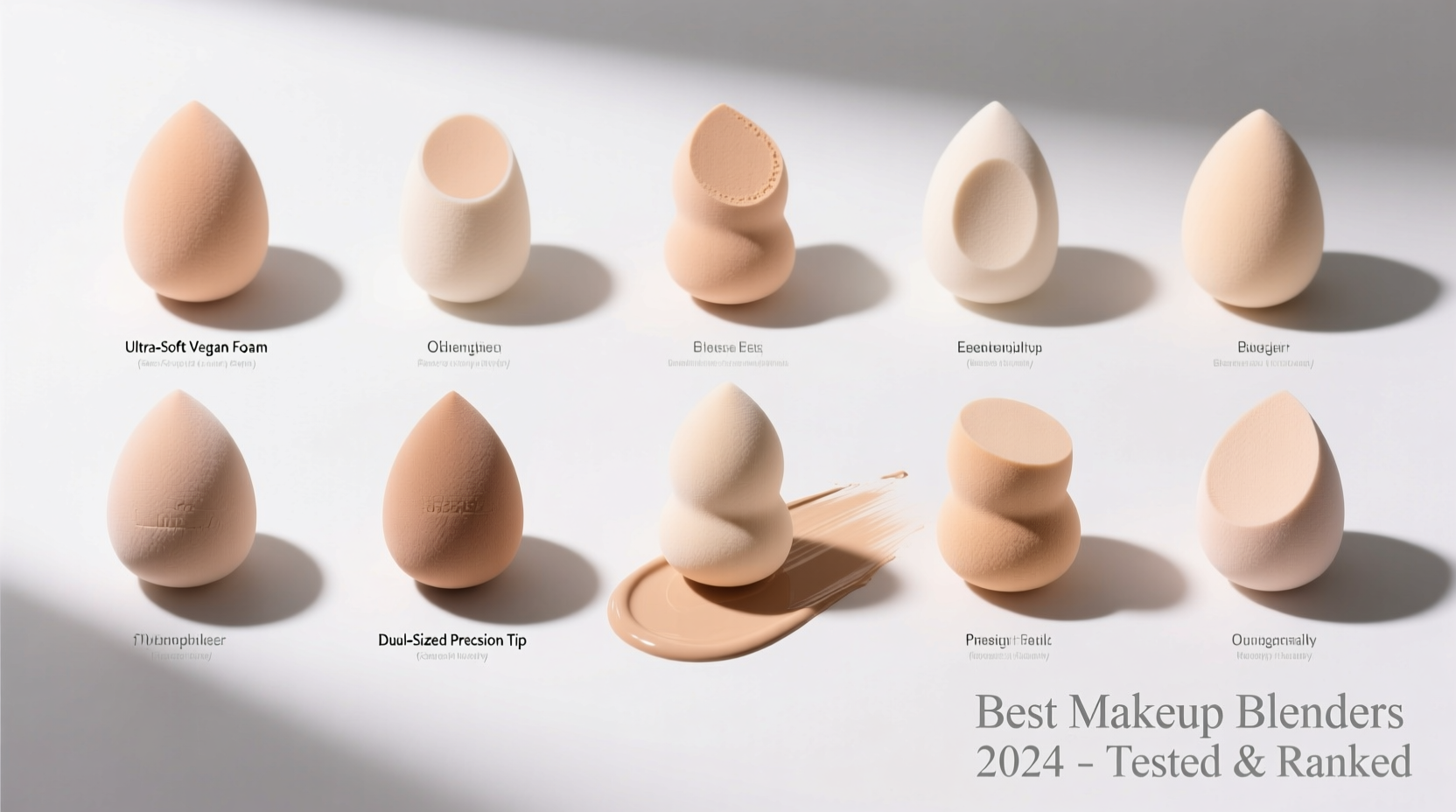
A makeup sponge isn’t just a tool—it’s a precision instrument. The right one absorbs minimal product while distributing it evenly, avoiding waste and patchiness. Poor-quality sponges can soak up half your foundation, tear easily, or harbor bacteria if not cleaned properly. High-end blenders use latex-free foam engineered for softness, bounce, and edge control, allowing you to reach contours like under the eyes and around the nose without dragging.
“The difference between a good base and a great one often comes down to the blending tool. A well-designed sponge adapts to facial curves and deposits product where needed—not everywhere.” — Lila Chen, Celebrity Makeup Artist & Educator
Top 10 Best Makeup Blenders Reviewed
- Beautyblender Original – The industry standard. Made from aqua-activated material, it expands when wet for a bouncy, non-absorbent feel. Ideal for liquid and cream products. Its teardrop shape fits perfectly under the eyes.
- Real Techniques Miracle Complexion Sponge – Affordable yet professional-grade. Soft, durable, and latex-free. One flat edge for stippling, one pointed end for detail work. Holds up well after multiple washes.
- Jane Iredale Magic Mitt + Blender Duo – Paired with a microfiber cleaning mitt, this set includes a dense, resilient sponge designed for full-coverage foundations. Retains shape over time.
- Michael Todd Beauty Sonicblend – A game-changer with sonic vibration technology. Oscillates at 180 pulses per second to press product into skin, minimizing visible lines and pores.
- Anastasia Beverly Hills Pro Puff Foundation Blender – Ultra-dense and slightly firmer than others. Best for thick, full-coverage formulas. Minimal absorption means less product waste.
- Fenty Beauty Precision Makeup Sponge – Tapered tip allows for surgical precision around nostrils and brows. Latex-free and eco-conscious packaging.
- Morphe Micro Mini Blender – Tiny size makes it ideal for spot concealing and tight areas. Sold in multi-packs, so you can assign colors to different products (e.g., one for SPF, one for foundation).
- Ecotools Total Perfecting Blender – Sustainable bamboo fiber handle with a soft foam head. Great for beginners and environmentally conscious users.
- Kosas Sponge2Go – Single-use, hygienic option made from plant-based foam. Perfect for travel or touch-ups. Biodegradable and free from synthetic dyes.
- Bliss Skin Gym Face Brush & Blender – Dual-ended: one side is a silicone-tipped brush, the other a compact blender. Washable and travel-friendly.
Comparison Table: Key Features at a Glance
| Blender | Material | Best For | Durability | Price Range |
|---|---|---|---|---|
| Beautyblender Original | Aqua-activated foam | Liquids, medium to full coverage | 6–9 months | $$$ |
| Real Techniques Miracle Complexion Sponge | Latex-free foam | All formulas, daily wear | 4–6 months | $ |
| Michael Todd Sonicblend | Silicone-coated foam | Pore-minimizing finish | 12+ months | $$$$ |
| Fenty Precision Blender | Eco-foam | Detail work, edges | 5–7 months | $$ |
| Kosas Sponge2Go | Plant-based biodegradable foam | Travel, hygiene | Single use | $$ (pack of 10) |
How to Extend the Life of Your Makeup Blender
Most blenders last 3–6 months with regular use. But poor maintenance shortens their lifespan and risks breakouts. Follow this step-by-step cleaning guide to keep them fresh and functional:
- Rinse immediately after use with lukewarm water to remove surface product.
- Apply cleanser—use a dedicated sponge cleanser or gentle antibacterial soap.
- Squeeze and swirl the sponge in your palm until water runs clear. Never scrub harshly.
- Rinse thoroughly to eliminate all soap residue.
- Air-dry upright in a ventilated area. Avoid storing in damp bathrooms or closed containers.
“I replace my main blender every three months, even if it looks fine. Bacteria buildup is invisible but real.” — Marcus Reed, Editorial MUA for Allure Magazine
Mini Case Study: From Cakey to Airbrushed
Sophie, a 32-year-old marketing executive, struggled with her foundation settling into fine lines and looking heavy by midday. She used a dense kabuki brush, which worked for powder but didn’t blend liquids smoothly. After switching to the Beautyblender and adopting the damp-before-use method, she noticed an immediate improvement. Her base looked lighter, more natural, and lasted longer. By stippling instead of dragging, she avoided tugging on delicate under-eye skin. Within two weeks, coworkers began asking if she’d changed her skincare routine—proof that technique and tools matter as much as product.
Checklist: Choosing the Right Blender for You
- ✅ Decide on usage: daily wear, full coverage, or travel?
- ✅ Check material: latex-free if you have sensitivities.
- ✅ Consider shape: pointed tips help with precision; flat edges aid stippling.
- ✅ Evaluate density: softer sponges for light coverage, denser ones for buildable formulas.
- ✅ Think about hygiene: opt for antimicrobial-treated or disposable options if prone to breakouts.
- ✅ Budget: high-end blenders cost more but often last longer and perform better.
Common Mistakes That Ruin Your Application
- Using a dry sponge: Leads to patchy, wasted product.
- Dragging instead of bouncing: Causes streaks and pulls on skin.
- Infrequent cleaning: Builds up bacteria and old makeup, leading to clogged pores.
- Storing in a sealed bag: Traps moisture and promotes mold.
- Over-squeezing: Breaks down foam structure prematurely.
FAQ: Your Blender Questions Answered
Can I use the same blender for foundation and concealer?
Technically yes, but it's better to use separate blenders or clean thoroughly between uses. Mixing products can lead to muddied shades and cross-contamination.
How often should I replace my makeup sponge?
Every 3 to 6 months with weekly cleaning. If you notice tearing, odor, or poor performance, replace it sooner.
Are vibrating blenders worth the investment?
For those seeking a poreless finish or using heavier formulations, yes. The Michael Todd Sonicblend reduces visible texture significantly, especially on mature or acne-prone skin.
Final Thoughts: Elevate Your Routine One Blend at a Time
The right makeup blender does more than apply product—it enhances texture, improves longevity, and boosts confidence with a naturally radiant result. Whether you're drawn to the iconic Beautyblender, the innovative Sonicblend, or budget-friendly Real Techniques, the key is consistency in use and care. Pair your tool with the correct technique—dampen, bounce, and clean—and you’ll see a dramatic shift in how your makeup wears throughout the day.




 浙公网安备
33010002000092号
浙公网安备
33010002000092号 浙B2-20120091-4
Comments
No comments yet. Why don't you start the discussion?