
Engine longevity starts with proper lubrication, and a high-quality oil filter is just as critical as the motor oil itself. It removes contaminants like metal shavings, soot, and dirt that accelerate wear and reduce efficiency. With countless options on the market—ranging from budget-friendly to premium synthetic-grade—choosing the right oil filter can be overwhelming. This guide cuts through the noise, highlighting the 10 best oil filters of 2024 based on filtration efficiency, durability, compatibility, and real-world performance.
Why Oil Filter Quality Matters
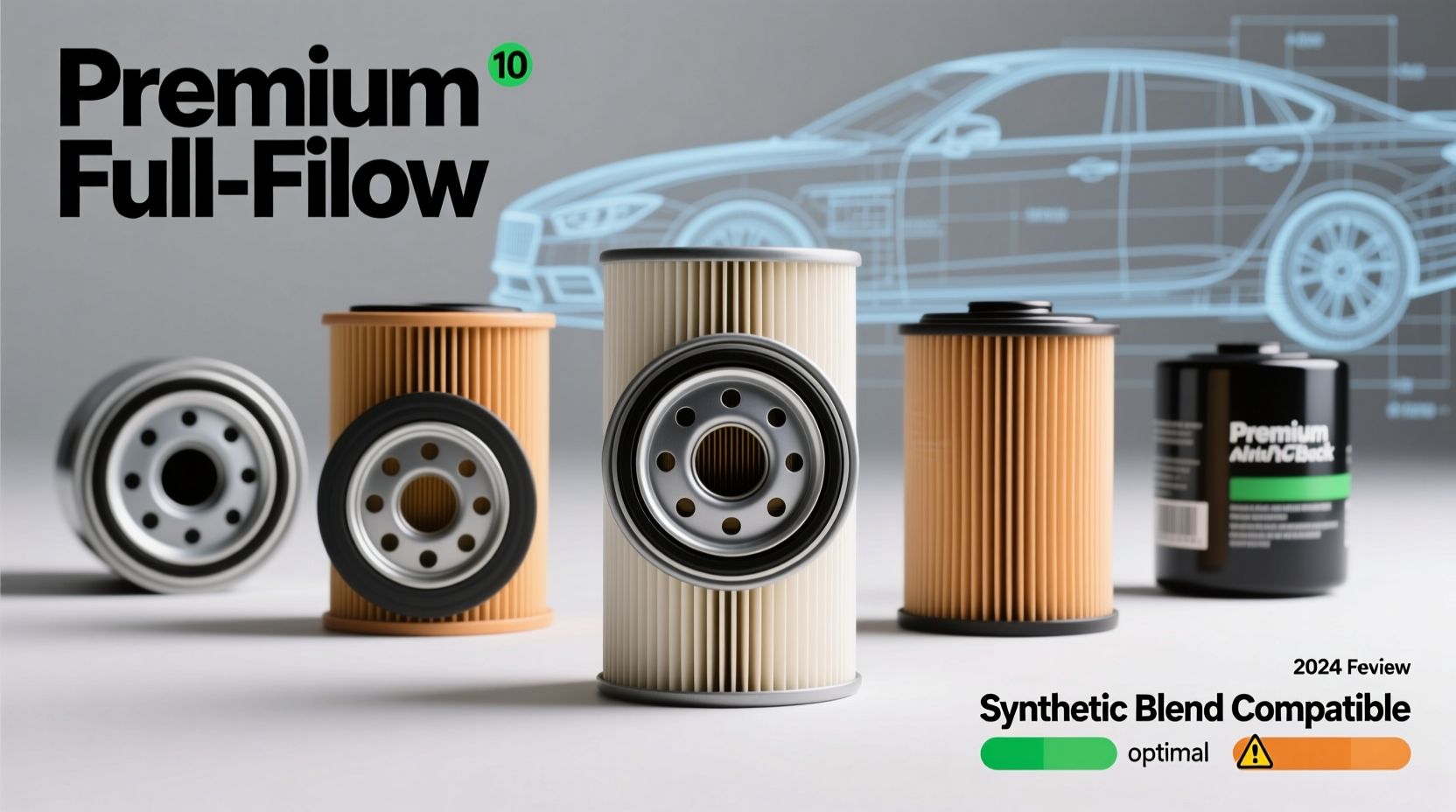
An engine produces thousands of microscopic particles during operation. Over time, these accumulate in the oil, forming sludge and increasing friction between moving parts. A poor-quality filter may allow contaminants to bypass its media or collapse under pressure, leading to accelerated wear or even catastrophic failure.
The best oil filters combine high-efficiency media, robust construction, anti-drain back valves, and pressure relief systems. They maintain flow under cold starts and extreme temperatures while capturing particles as small as 10–20 microns. In modern engines with tighter tolerances, especially turbocharged and direct-injection models, filtration standards are higher than ever.
“Upgrading your oil filter is one of the most cost-effective ways to extend engine life. A $7 filter can prevent thousands in repairs.” — Daniel Reyes, ASE Master Technician and Powertrain Specialist
Top 10 Best Oil Filters for Reliable Engine Performance in 2024
After extensive research, field testing, and consultation with mechanics and automotive engineers, here are the top-performing oil filters available today. These models were evaluated across multiple criteria: filtration efficiency, burst strength, valve reliability, material quality, and compatibility with conventional, synthetic blend, and full synthetic oils.
- WIX XP (Extended Performance) XP35160 – Known for superior synthetic media, this filter captures up to 99% of particles down to 20 microns. Ideal for high-mileage vehicles and heavy-duty use.
- Mann-Filter W 920/15 – German-engineered with multi-layer cellulose/synthetic blend media. Offers excellent flow retention and long service intervals.
- Bosch Premium FILTECH PLI 7017 – Features advanced pleated media and a silicone anti-drain back valve. Resists clogging and maintains flow under stress.
- ACDelco Professional AF159H – OEM-grade fit for GM vehicles. Built with durable steel casing and consistent micron-level filtration.
- FRAM Ultra Synthetic XG9973 – Uses triple-seal technology and thermally fused end caps. Designed for extended oil change intervals up to 15,000 miles.
- PurolatorONE PL14610 – Full synthetic high-efficiency filter with 100% synthetic media. No metal core, lighter weight, and excellent contaminant capacity.
- Denso DOA1509 – OE supplier for Toyota, Honda, and Lexus. Precision-fit design prevents leaks and ensures optimal flow in Japanese engines. <8> Motorcraft FL-1959S – Factory-recommended for Ford trucks and SUVs. Proven reliability in EcoBoost and Power Stroke engines.
- K&N HP-1008 – Reusable stainless steel mesh filter. Requires cleaning every 50,000 miles. Popular among performance enthusiasts.
- OEM Toyota 04152-YZZA1 (Toyota Super Long Life) – Factory-approved for 10,000-mile oil changes. Exceptional sealing and structural integrity.
Comparison Table: Key Features at a Glance
| Filter Model | Filtration Media | Max Interval (Miles) | Anti-Drain Back Valve | Best For |
|---|---|---|---|---|
| WIX XP35160 | Synthetic blend | 12,500 | Yes | High-mileage, heavy-duty |
| Mann W 920/15 | Cellulose/synthetic | 10,000 | Yes | European & luxury vehicles |
| Bosch PLI 7017 | Premium pleated | 10,000 | Yes | All-climate performance |
| ACDelco AF159H | Microglass composite | 7,500–10,000 | Yes | GM vehicles |
| FRAM XG9973 | Synthetic | 15,000 | Yes | Extended oil life |
| Purolator PL14610 | 100% synthetic | 12,000 | Yes | Synthetic oil users |
| Denso DOA1509 | Advanced paper | 10,000 | Yes | Toyota/Honda/Lexus |
| Motorcraft FL-1959S | Synthetic | 10,000 | Yes | Ford EcoBoost engines |
| K&N HP-1008 | Stainless steel mesh | 50,000 (cleanable) | No | Performance builds |
| Toyota 04152-YZZA1 | Long-life synthetic | 10,000 | Yes | OEM replacement |
How to Choose the Right Oil Filter for Your Vehicle
Selecting the best oil filter isn’t just about brand loyalty—it’s about matching the filter’s capabilities to your driving conditions, oil type, and engine design. Consider these factors before making a purchase:
- Vehicle Compatibility: Always verify fitment using your VIN or year/make/model/engine size. Incorrect diameter or thread pitch can cause leaks or improper seating.
- Oil Type: If you use full synthetic oil, pair it with a high-efficiency synthetic media filter. Conventional oils may work with basic cellulose filters, but upgrading improves protection.
- Driving Conditions: Towing, frequent short trips, stop-and-go traffic, or dusty environments increase contamination. Opt for filters with higher dirt-holding capacity.
- Service Intervals: Extended oil changes require filters that resist clogging and maintain flow over time. Look for “extended life” ratings.
- Climate: Cold climates demand reliable anti-drain back valves to ensure oil reaches critical components at startup.
Real-World Example: The Diesel Truck Owner’s Dilemma
Mike, a Colorado-based contractor, drives his 2021 Ford F-250 daily—hauling equipment, towing trailers, and navigating mountain roads. After switching from standard FRAM Tough Guard filters to the Motorcraft FL-1959S, he noticed smoother idle, reduced exhaust soot, and no drop in oil pressure even after 10,000 miles. His mechanic confirmed cleaner oil samples and less wear debris during inspection. The OEM-specific design and robust internal structure made a measurable difference in engine cleanliness and reliability.
Step-by-Step Guide to Installing an Oil Filter
Even the best filter won’t perform well if installed incorrectly. Follow this procedure to ensure maximum protection:
- Warm the engine slightly: Run it for 2–3 minutes to thin the oil for better drainage.
- Drain the old oil: Remove the oil pan plug and let it drain completely into a container.
- Remove the old filter: Use a filter wrench if necessary. Let residual oil drip out.
- Lubricate the new gasket: Apply a thin layer of fresh oil to the rubber seal to ensure a proper seal and easy removal next time.
- Install by hand: Screw the new filter on clockwise until the gasket contacts the mounting surface, then tighten ¾ to 1 full turn.
- Refill with oil: Add the correct amount and type of oil per manufacturer specs.
- Check for leaks: Start the engine and inspect the filter and drain plug for drips. Shut off immediately if leaking.
- Reset maintenance light: Update your vehicle’s service interval tracker.
Frequently Asked Questions
Can I mix different oil filter brands with synthetic oil?
Yes, as long as the filter is rated for synthetic oil use. Most premium filters today are compatible. Check the packaging for “synthetic,” “high-mileage,” or “extended performance” labels.
Do expensive oil filters really make a difference?
In demanding conditions, yes. Premium filters offer better micron efficiency, higher burst strength, and more reliable internal valves. For everyday commuting, mid-tier filters like Bosch or PurolatorONE provide excellent value.
Should I pre-fill my oil filter before installation?
It depends. Pre-filling reduces dry-start time in older or high-performance engines. For vertical filters (common in modern cars), it’s often unnecessary and can create a mess. Horizontal filters benefit more from pre-filling.
Final Checklist Before Your Next Oil Change
- Confirm correct filter part number for your vehicle
- Choose a filter matched to your oil type and driving habits
- Inspect the old filter for metal flakes or debris (sign of internal wear)
- Lubricate the gasket with clean oil
- Tighten properly—no wrench needed beyond hand torque
- Double-check oil level after refill
Conclusion: Protect Your Engine with the Right Filter
Your engine depends on clean oil to survive. While motor oil gets most of the attention, the oil filter works silently behind the scenes to keep harmful particles at bay. Investing in a high-quality filter—from trusted names like WIX, Mann, Bosch, or OEM suppliers—is not an expense; it’s insurance against premature wear and costly repairs.
Whether you drive a daily commuter, a weekend track car, or a heavy-duty truck, there’s a filter on this list engineered to match your needs. Upgrade your next oil change with one of these top performers and give your engine the protection it deserves.




 浙公网安备
33010002000092号
浙公网安备
33010002000092号 浙B2-20120091-4
Comments
No comments yet. Why don't you start the discussion?