
When it comes to handling heavily soiled garments—especially those caked in mud from outdoor work, gardening, or kids’ playtime—the right washing machine can make all the difference. But choosing between a top load and a front load washer isn’t just about convenience or loading style. It’s about cleaning power, efficiency, and long-term hygiene, particularly regarding mold prevention. While both types have evolved significantly, their fundamental designs lead to different outcomes when dealing with tough stains and moisture retention.
This article breaks down how each washer type performs on muddy clothes, evaluates their susceptibility to mold, and provides practical guidance for homeowners who need reliable, hygienic laundry solutions.
Cleaning Performance on Muddy Clothes
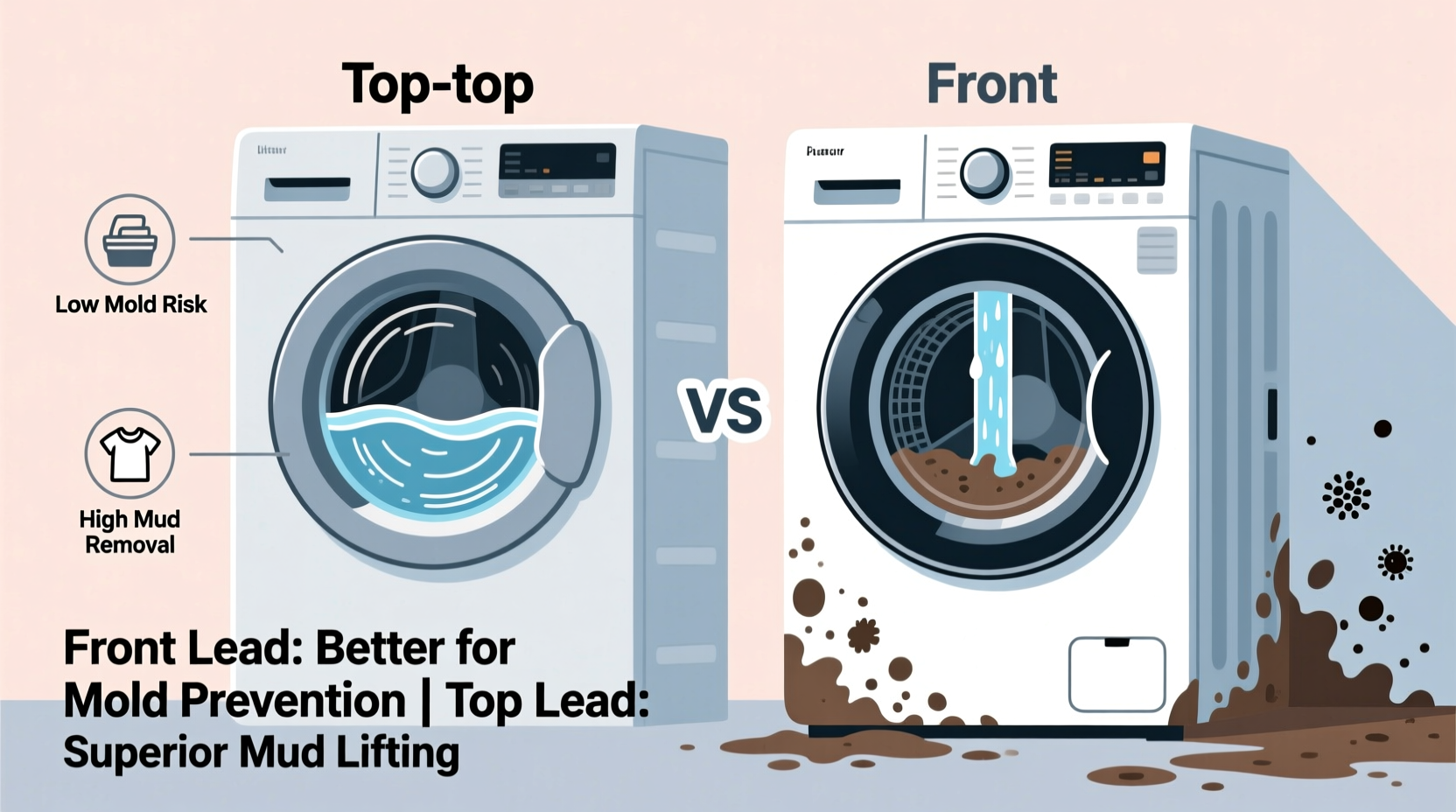
Mud is more than just dirt—it’s a mixture of soil, organic matter, water, and often oils or sweat that bind it to fabric. Effective removal requires strong mechanical action, proper water distribution, and thorough rinsing. The design differences between top load and front load washers directly impact these factors.
Top Load Washers (Traditional Agitator Models):
Agitator-based top loaders use a central post that twists back and forth, pushing clothes through water. This creates vigorous scrubbing action, which can be effective at dislodging dried-on mud. However, the motion tends to be less uniform. Garments near the agitator receive intense agitation, while those farther out may not get fully cleaned. Additionally, the vertical orientation means clothes are submerged in standing water, which can trap mud at the bottom of the drum if not properly circulated.
Top Load Washers (Impeller Models):
Newer high-efficiency (HE) top loaders use a low-profile impeller instead of an agitator. They rely on a fast-spinning cone at the bottom of the drum to create turbulent water currents. These models use less water and energy but still provide solid cleaning for moderately dirty clothes. For thick mud, however, impeller models may struggle to fully penetrate dense soil unless pre-treated or soaked first.
Front Load Washers:
Front loaders operate on a tumbling principle. As the drum rotates horizontally, clothes are lifted and dropped through a shallow pool of water and detergent. This repeated falling action mimics hand-washing and provides consistent mechanical force across the entire load. Because the drum fills only partially with water, the concentration of detergent is higher, enhancing cleaning power. Front loaders also typically run longer cycles with multiple rinse phases, improving mud removal.
“Front-loading machines achieve superior stain removal due to their tumbling action and higher spin speeds, which extract more water and reduce residue.” — Dr. Alan Reyes, Appliance Engineer, Consumer Home Systems Lab
Mold and Mildew: Design Differences That Matter
Mold growth in washing machines is a common concern, especially in humid environments. It manifests as black spots around seals, foul odors, or even visible slime inside the drum. The root cause is retained moisture combined with soap scum and organic debris—ideal conditions for microbial growth.
Front Load Vulnerabilities:
Front loaders are more prone to mold because of their rubber door gasket. This seal keeps water from leaking during operation but also traps moisture, lint, and detergent residue. If the door is closed immediately after a cycle, humidity remains trapped inside, encouraging mold. Without regular wiping and ventilation, the gasket becomes a breeding ground.
Top Load Advantages:
Top loaders don’t have a sealing gasket. Their open-top design allows air to circulate freely after each wash, promoting natural drying. Even HE top loaders with lids that close automatically usually leave enough gap or venting to prevent prolonged dampness. As a result, they’re inherently less susceptible to mold—provided users don’t leave wet clothes sitting for days.
That said, neglecting maintenance can lead to mold in any washer. Residual biofilm builds up in dispensers, drain pumps, and inner tubs over time, especially when using cold water cycles exclusively or low-suds detergents that don’t clean the machine itself.
Do’s and Don’ts for Mold Prevention
| Action | Recommended | Avoid |
|---|---|---|
| Leave door/lid open after use | ✅ Yes – promotes drying | ❌ Never close tightly post-cycle |
| Run monthly cleaning cycle | ✅ Use hot water + vinegar or bleach | ❌ Skip maintenance for months |
| Wipe rubber gasket (front load) | ✅ Weekly with dry cloth | ❌ Ignore crevices where mold hides |
| Use excessive detergent | ✅ Measure precisely | ❌ Overuse causes residue buildup |
Real-World Example: Farm Family Laundry Challenge
The Thompson family runs a small organic farm in western Oregon. Between fieldwork, animal care, and rainy-season mudding, their weekly laundry includes dozens of boots, coveralls, and work gloves caked in clay-rich soil. They previously used a traditional agitator top loader but found persistent stains and frequent rewashes.
After switching to a front load washer with a “heavy duty” and “pre-wash” cycle option, they noticed immediate improvements. Muddy overalls came out clean without pre-rinsing, and the higher spin speed reduced drying time by nearly 30%. However, within six months, a musty smell developed. Upon inspection, black mold had formed along the door seal.
They adjusted their habits: leaving the door ajar, wiping the gasket weekly, and running a monthly cleaning cycle with affresh tablets. With these changes, odor disappeared and cleaning performance remained excellent. Their experience highlights that front loaders deliver superior cleaning—but require proactive maintenance to avoid mold.
Step-by-Step Guide to Maximizing Cleaning & Preventing Mold
Whether you own a top load or front load washer, following a consistent routine ensures optimal performance and longevity. Here’s a practical timeline:
- Before Washing: Scrape off large clumps of mud. Pre-treat stained areas with a paste of baking soda and water or a commercial stain remover.
- Select Cycle: Choose “heavy duty,” “deep clean,” or “mud/dirty workwear” mode if available. Use warm or hot water (if fabric permits).
- Detergent & Additives: Use HE-compatible detergent. Add ½ cup of oxygen-based bleach (not chlorine) to boost cleaning and inhibit microbial growth.
- During Wash: Avoid overloading. Leave space for clothes to move freely—about ¾ full max.
- After Cycle Ends: Remove clothes promptly. Do not let damp laundry sit for more than 30 minutes.
- Post-Wash Ventilation:
- For front loaders: Wipe the door seal with a dry microfiber cloth. Leave the door and detergent drawer open for 12–24 hours.
- For top loaders: Lift the lid and let the drum air out, especially if used back-to-back.
- Monthly Maintenance: Run an empty hot water cycle with 1 cup of white vinegar or a manufacturer-approved cleaner. Clean the detergent dispenser and filter screen.
Comparison Table: Top Load vs Front Load for Muddy Clothes & Mold Risk
| Feature | Top Load (Agitator) | Top Load (Impeller) | Front Load |
|---|---|---|---|
| Cleaning Power on Mud | High (aggressive scrubbing) | Moderate to High | Very High (tumbling + high spin) |
| Water Usage | High | Low | Lowest |
| Rinse Efficiency | Moderate (can trap suds) | Good | Excellent (multiple rinses) |
| Mold Risk | Low (open design) | Low to Moderate | High (if not maintained) |
| Maintenance Required | Minimal | Minimal | Regular (seal cleaning, ventilation) |
| Energy Efficiency | Low to Moderate | High | Highest |
| Lifespan (Average) | 8–10 years | 10–12 years | 12–14 years |
Frequently Asked Questions
Can I use regular detergent in a high-efficiency (HE) washer?
No. Regular detergents produce too many suds, which can interfere with the wash cycle, reduce cleaning effectiveness, and contribute to residue buildup that fosters mold. Always use HE-formulated detergent in HE machines, whether top or front load.
Why does my front load washer smell even after cleaning?
Persistent odor usually indicates hidden mold in the outer tub, drain pump, or hose. Try removing and cleaning the drain pump filter (usually at the front bottom). Also, check for kinked hoses that trap water. If the issue continues, consider professional servicing or replacing worn seals.
Is there a way to get front load cleaning power without the mold risk?
Yes—by committing to strict maintenance. Many modern front loaders now include anti-mold features like self-cleaning drums, UV sanitization, or automatic door-open reminders. Pair these with user discipline (ventilation, wipe-downs), and the risk drops significantly.
Final Recommendation: Balancing Cleanliness and Hygiene
If your primary concern is **cleaning muddy clothes effectively**, a front load washer is the superior choice. Its tumbling action, higher spin speeds, and efficient water use translate into cleaner garments with fewer rewashes. However, this advantage comes with responsibility: you must actively manage moisture and cleanliness to prevent mold.
If **low maintenance and mold resistance** are your top priorities—and you’re willing to pre-treat or double-wash very dirty items—a high-efficiency top load washer (impeller type) offers a strong compromise. It delivers good cleaning with minimal mold risk and easier upkeep.
Ultimately, the best washer isn’t just about technology—it’s about how well it fits your lifestyle and how consistently you care for it. A well-maintained front loader will outperform any top loader over time. But a neglected one can become a health hazard.
“The machine doesn’t clean itself—even if it cleans your clothes well.” — Maria Lin, Home Appliance Technician, 15+ years experience
Take Action Today
Assess your current laundry routine. Are you struggling with stained clothes or unpleasant odors? Identify whether the issue stems from machine limitations or maintenance gaps. Implement one new habit this week—whether it’s leaving the door open, wiping the seal, or running a cleaning cycle. Small changes lead to lasting results. Share your experience or ask questions in the comments below; your insight could help another homeowner make a smarter, cleaner choice.




 浙公网安备
33010002000092号
浙公网安备
33010002000092号 浙B2-20120091-4
Comments
No comments yet. Why don't you start the discussion?