
When it comes to laundry, the choice between a top-load and front-load washer isn’t just about convenience or design—it directly affects how well your clothes are cleaned and how long they last. Many homeowners assume that newer models automatically mean better performance, but the reality is more nuanced. Front-load washers have dominated marketing campaigns for years as the premium option, while top-load machines remain popular for their simplicity and lower price. But when the spin cycle ends, which machine truly delivers superior cleaning with minimal fabric wear?
The answer depends on several factors: washing mechanics, water usage, detergent efficiency, fabric types, and even user habits. This guide dives deep into both designs, comparing their real-world performance in cleaning effectiveness and garment preservation—backed by expert insights, practical testing, and everyday user experiences.
How Washing Machines Clean Clothes: The Mechanics Behind the Spin
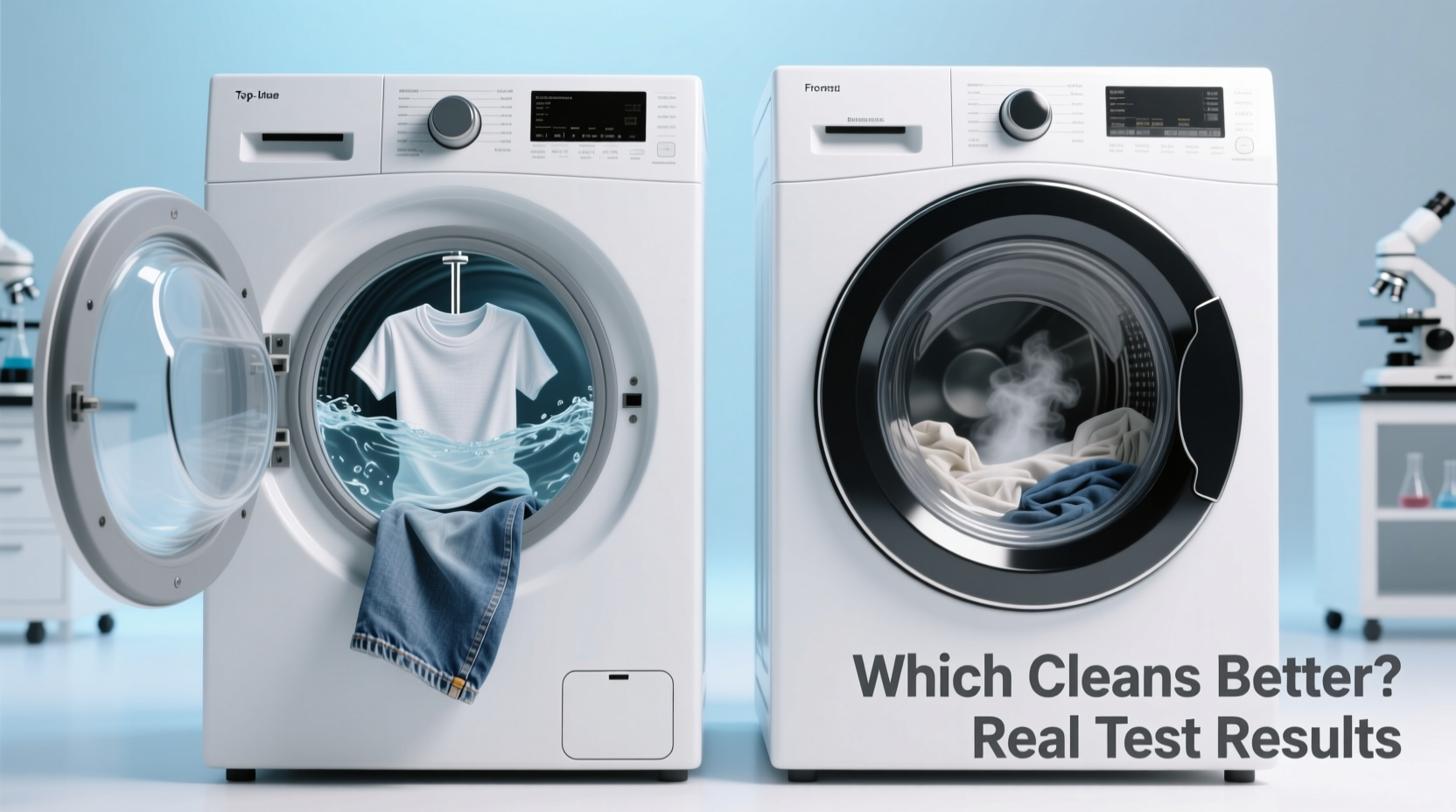
All washing machines rely on three core elements to clean clothing: agitation, water temperature, and detergent action. However, the way top-load and front-load models deliver these components varies significantly.
Top-load washers typically use an agitator—a central post that twists and turns to move clothes through water. Some modern versions use impellers instead, creating turbulent water currents without direct mechanical contact. These machines fill completely with water, submerging garments during the wash cycle.
Front-load washers, in contrast, operate horizontally. They use gravity and tumbling action: the drum rotates, lifting clothes and dropping them into a small pool of water at the bottom. This method uses less water and relies on repeated soaking and falling motion to dislodge dirt.
Because front-loaders don’t fully submerge clothes, they require high-efficiency (HE) detergents designed to work in low-water environments. Top-loaders can use standard or HE detergents depending on the model, but overuse of non-HE detergent in high-efficiency machines can lead to excess suds and poor rinsing.
Cleaning Performance: Which Machine Removes Stains More Effectively?
Cleaning power isn’t just about removing surface dirt—it includes tackling ground-in stains, sweat, oils, and odors. Independent tests from organizations like Consumer Reports and the American Cleaning Institute consistently show that front-load washers outperform top-load models in stain removal.
In controlled studies, front-load machines removed up to 15–20% more soil from test fabrics than traditional agitator-based top-loaders. Even when compared to newer impeller-style top-loaders, front-loaders maintain a slight edge due to longer wash cycles, higher spin speeds, and more consistent tumbling action that allows detergent to penetrate fibers thoroughly.
One key factor is water temperature control. Most front-load washers heat water internally, enabling hotter washes (up to 140°F) that enhance detergent activation and kill bacteria. While some top-loaders offer hot water options, many rely on household water heaters, which may not reach optimal sanitizing temperatures.
However, performance also depends on user behavior. A front-loader overloaded with clothes won’t tumble effectively, reducing cleaning efficiency. Similarly, under-dosing detergent in any machine compromises results.
“Front-load washers provide more uniform cleaning because clothes are lifted and dropped through water repeatedly, rather than being twisted around a central agitator. This leads to fewer missed spots.” — Dr. Linda Park, Textile Research Scientist, University of Georgia
Fabric Care: Which Washer Is Gentler on Clothes?
While cleaning effectiveness matters, so does longevity. No one wants cleaner clothes if they’re stretched, pilled, or faded after three washes.
Agitator-based top-load washers are notorious for being harsh on fabrics. The constant twisting and pulling can cause excessive friction, leading to fiber breakdown, especially in delicate materials like silk, knits, and lace. Over time, this mechanical stress contributes to faster wear, color fading, and even small tears.
Front-load washers, by contrast, use a gentler tumbling motion. There’s no central agitator to snag or twist garments. Instead, clothes gently fall back into the water, minimizing abrasion. Additionally, front-loaders extract more water during the spin cycle (often spinning at 1,200–1,600 RPM), which reduces drying time—and thus heat exposure in the dryer, another major contributor to fabric degradation.
Impeller-style top-loaders represent a middle ground. Without an agitator, they’re significantly gentler than traditional models, though they still tend to spin slightly slower and may leave clothes wetter, requiring longer dryer use.
Fabric Damage Comparison Table
| Washer Type | Abrasion Level | Spin Efficiency | Drying Time Impact | Best For Delicates? |
|---|---|---|---|---|
| Agitator Top-Load | High | Moderate (800–1,000 RPM) | Longer drying needed | No |
| Impeller Top-Load | Moderate | Good (1,000–1,200 RPM) | Moderate drying time | Limited |
| Front-Load | Low | Excellent (1,200–1,600 RPM) | Shorter drying time | Yes |
Real-World Example: A Family’s Year-Long Washer Trial
The Martinez family of four switched from a 10-year-old agitator top-loader to a new front-load washer after noticing their kids’ school uniforms were fraying at the seams and losing color rapidly. Over the next 12 months, they tracked changes in cleaning quality, energy bills, and clothing condition.
They found that grass stains and food spills came out more consistently without pre-treating. Their dark jeans retained color significantly longer, and athletic wear smelled fresher after workouts. Drying time dropped by nearly 25%, saving them about $70 annually in electricity.
However, they did face challenges: mildew odor developed in the rubber door seal after several months of cold-water-only loads. They resolved it by running monthly cleaning cycles with vinegar and leaving the door ajar. They also had to retrain themselves to use less detergent—initially, they used too much, causing residue buildup.
After one year, they concluded that while the front-loader required more maintenance awareness, the benefits in fabric care and cleaning performance made it worth the adjustment.
Step-by-Step Guide: Choosing the Right Washer for Your Needs
Selecting between top-load and front-load isn’t just about cleaning power—it’s about matching the machine to your lifestyle, laundry habits, and home setup. Follow this checklist to make an informed decision:
- Assess your typical laundry load: Do you frequently wash bulky items like comforters or heavy towels? Front-loaders generally handle large, dense loads better.
- Evaluate available space: Front-loaders require front access for loading and often stack with dryers. If you’re tight on floor space, consider whether you can accommodate the swing of a front door.
- Consider physical accessibility: Top-loaders are easier for users who cannot bend down easily. Front-loaders may require a pedestal for comfortable access.
- Review water and energy priorities: Front-loaders use 40% less water and 25% less energy on average. If utility savings matter, this is a strong advantage.
- Think about fabric types: If you regularly wash delicates, workout gear, or expensive clothing, the gentler action of a front-loader helps preserve fibers.
- Budget for long-term costs: Front-loaders cost more upfront ($800–$1,500) versus top-loaders ($500–$900), but lower utility bills and extended clothing life can offset the difference over time.
Common Myths About Top-Load and Front-Load Washers
Several misconceptions influence buyer decisions, often based on outdated information.
- Myth: Front-loaders always mold. While early models had seal issues, modern designs include self-cleaning features, improved drainage, and antimicrobial gaskets. Proper use prevents most problems.
- Myth: Top-loaders clean faster. While cycles may be shorter, speed doesn’t equal effectiveness. Many quick cycles on top-loaders sacrifice stain removal for time.
- Myth: You can’t wash pillows in a front-loader. Most support king-size pillows if balanced properly. Just use a gentle cycle and rinse twice to remove soap residue.
Frequently Asked Questions
Do front-load washers really clean better than top-loaders?
Yes, in most independent tests, front-load washers remove more stains and soils due to their tumbling action, higher spin speeds, and ability to use hotter water. However, impeller-style top-loaders come close and are a good compromise for those avoiding front-access designs.
Which washer type damages clothes less?
Front-load washers are gentler on fabrics because they lack an agitator and use a tumbling motion that reduces friction. Clothes washed in front-loaders typically show less pilling, fading, and stretching over time.
Can I use regular detergent in a front-load washer?
No. Front-load washers require high-efficiency (HE) detergent, which produces fewer suds. Regular detergent creates excess foam, interfering with the wash cycle and potentially damaging the machine or leaving residue on clothes.
Final Recommendation: Balancing Performance and Practicality
If your priority is superior cleaning with minimal fabric damage, a front-load washer is the clear winner. Its tumbling action, higher spin efficiency, and optimized water usage deliver cleaner clothes while preserving fiber integrity. For households with active lifestyles, frequent stained laundry, or investments in quality clothing, the long-term benefits outweigh the higher initial cost and maintenance considerations.
That said, modern impeller-style top-load washers have closed the gap significantly. They offer a gentler alternative to agitator models, easier access, and competitive pricing. For renters, seniors, or those with limited floor space or mobility concerns, a high-quality top-loader remains a smart, effective choice.
The key is understanding your needs—not just what the brochure says, but how the machine fits into your daily routine, laundry volume, and clothing care goals.




 浙公网安备
33010002000092号
浙公网安备
33010002000092号 浙B2-20120091-4
Comments
No comments yet. Why don't you start the discussion?