
Choosing between a top loader and a front loader washing machine is more than just a matter of convenience or laundry room layout. It’s about how well your clothes are cleaned, how long they last, and whether your machine becomes a breeding ground for mold and mildew. Both types have loyal followings, but when it comes to gentle fabric care and avoiding persistent mold problems, the differences become critical. Understanding these distinctions helps you make an informed decision that protects both your wardrobe and your home environment.
How Washing Machines Clean Clothes: The Basics
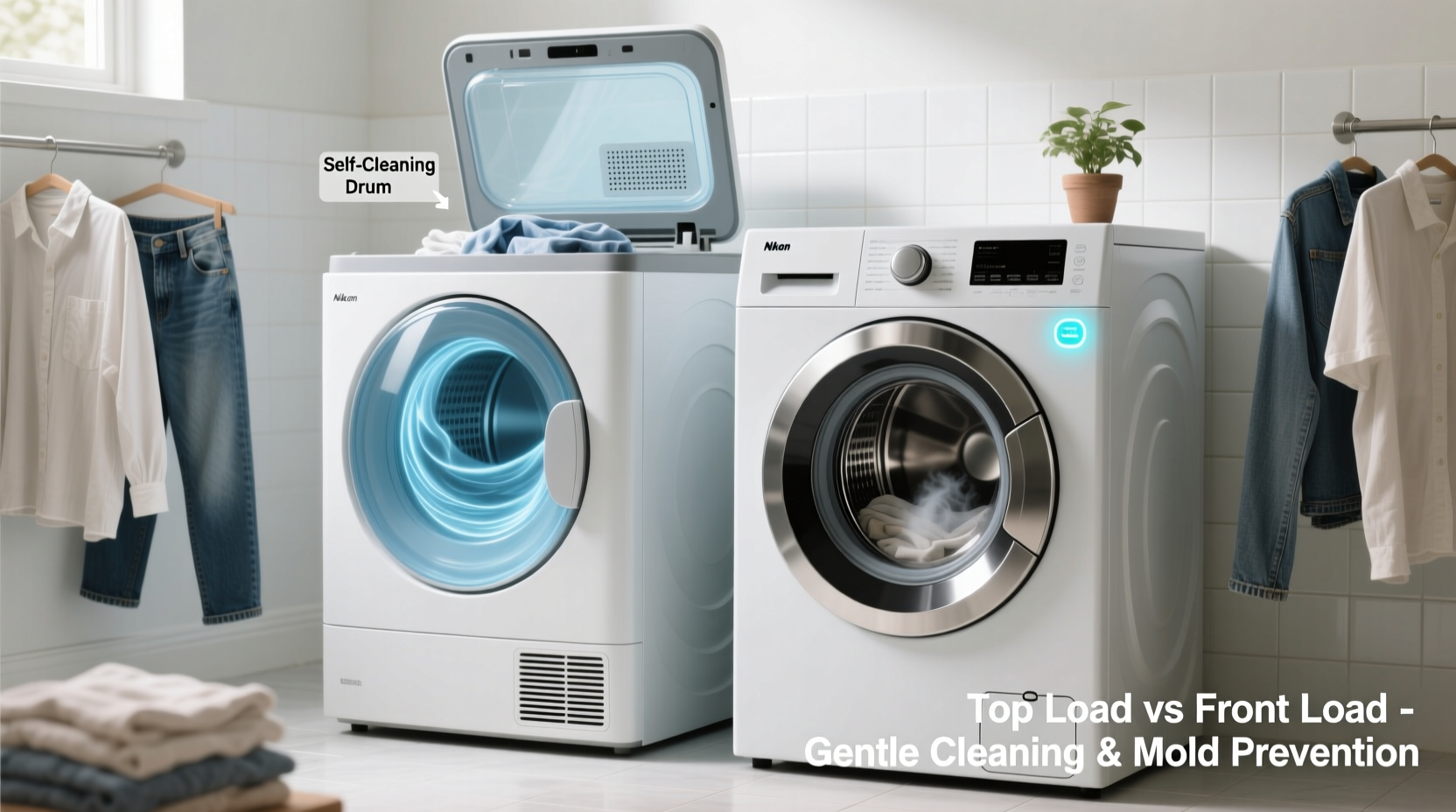
All washing machines rely on water, detergent, agitation, and spin cycles to remove dirt and odors from fabrics. However, the way this process unfolds varies significantly between top loaders and front loaders.
Top loader machines typically use an agitator or impeller in the center of the drum to move clothes through water. This creates a turbulent wash action that can be effective for heavily soiled items but may stress delicate fabrics over time. Front loaders, on the other hand, use gravity and a rotating drum to tumble clothes through a smaller amount of water. This tumbling motion is generally gentler on fibers, reducing wear and tear.
The efficiency of water and energy use also differs. Front loaders use less water and are more energy-efficient due to lower heating requirements. But reduced water volume means residual moisture can linger—especially in rubber door seals—creating ideal conditions for mold if not managed properly.
Cleaning Performance and Fabric Care
When evaluating which machine cleans more gently, consider fabric longevity and cleaning effectiveness. Front loaders are widely recognized for their superior stain removal and energy efficiency, but do they treat clothes more kindly?
Yes—generally. The tumbling action of a front loader mimics hand-washing by lifting clothes and dropping them into water, minimizing friction and twisting. In contrast, traditional top loaders with central agitators can twist, stretch, and abrade fabrics, especially delicate knits, silks, and lace. High-efficiency (HE) top loaders without agitators—using impellers instead—offer a middle ground, providing gentler cleaning than older models while still being more aggressive than most front loaders.
A study by the American Cleaning Institute found that front-loading machines removed up to 15% more stains than top loaders under identical conditions, particularly in cold-water cycles. This improved performance comes without increased mechanical stress on garments, making front loaders ideal for households with athletic wear, baby clothes, or fine textiles.
“Front-loading washers provide a more controlled, even wash that reduces fiber breakdown over time. For families investing in quality clothing, this difference adds up.” — Dr. Lena Peterson, Textile Durability Researcher, University of California
Mold and Mildew: A Persistent Challenge
No one wants to pull clean clothes out of a musty-smelling machine. Yet mold and mildew remain common complaints among front loader owners. Why?
The answer lies in design. Front loaders feature a rubber gasket around the door to create a watertight seal during operation. After each cycle, moisture gets trapped in the folds of this gasket, creating a dark, damp environment where mold thrives. If users don’t wipe down the seal or run regular cleaning cycles, black mold colonies can form within weeks.
Top loaders, lacking a sealed door, are naturally more ventilated. Water drains completely, and the open tub allows air circulation after use. While mold can still develop in standing water or humid environments, it’s far less frequent and severe than in front loaders.
However, poor maintenance habits can negate this advantage. Leaving wet clothes in any washer for days, using too much detergent, or skipping drum cleanings invites microbial growth regardless of machine type.
Common Causes of Mold in Washing Machines
- Residual moisture in door seals (front loaders)
- Excessive detergent use leading to soap scum buildup
- Infrequent cleaning of dispensers and drain pumps
- Running only cold-water cycles without hot sanitizing runs
- Leaving the lid or door closed between uses
Comparative Overview: Top Loader vs Front Loader
| Feature | Top Loader | Front Loader |
|---|---|---|
| Fabric Gentleness | Good (impeller models); Fair (agitator models) | Excellent – tumbling action minimizes wear |
| Mold Risk | Low – open design allows drying | High – moisture traps in door seal |
| Water Usage | Moderate to high | Low – up to 40% less than top loaders |
| Energy Efficiency | Fair | Excellent – especially with cold washes |
| Stain Removal | Good for heavy soils | Superior – longer wash, better agitation control |
| Maintenance Needs | Minimal | Regular seal wiping, monthly cleaning required |
| Installation Flexibility | None – must be upright | Can be stacked with dryer |
Real-World Example: The Johnson Family’s Experience
The Johnsons replaced their aging top loader with a new front loader two years ago, drawn by promises of better cleaning and lower utility bills. Initially thrilled, they noticed a musty odor after six months. Despite using HE detergent and running regular cycles, black spots appeared along the rubber door seal.
After consulting a technician, they learned they had been closing the door immediately after each load and skipping maintenance washes. They began leaving the door ajar, wiping the gasket weekly with a microfiber cloth, and running a monthly hot cycle with washing machine cleaner. Within three weeks, the odor disappeared and has not returned.
Their clothes now come out cleaner, especially workout gear, and they’ve reduced detergent use by half. The extra maintenance takes less than five minutes a week—a small trade-off for better performance and hygiene.
Action Plan: Preventing Mold and Protecting Fabrics
Regardless of machine type, proper care ensures longevity and cleanliness. Follow this step-by-step guide to keep your washer functioning optimally and your clothes in great condition.
- After Every Wash: Leave the lid (top loader) or door (front loader) open to dry the interior.
- Weekly: Wipe the rubber seal on front loaders with a dry or slightly damp cloth.
- Monthly: Run an empty hot water cycle with 1 cup of white vinegar or a dedicated washing machine cleaner.
- Every 3 Months: Remove and clean the detergent and fabric softener dispensers.
- As Needed: Check the drain pump filter for lint and debris (especially in front loaders).
- Always: Use high-efficiency (HE) detergent in front loaders and measured amounts in top loaders to avoid residue.
- For Delicates: Use mesh bags and select gentle or hand-wash cycles to minimize abrasion.
Washer Maintenance Checklist
- ☐ Leave door/lid open post-cycle
- ☐ Wipe front loader gasket weekly
- ☐ Run hot cleaning cycle monthly
- ☐ Clean dispensers quarterly
- ☐ Inspect hoses annually for cracks
- ☐ Use correct detergent type and quantity
- ☐ Avoid overloading the drum
Which Is Better Overall?
If your priority is **gentle cleaning**, the front loader wins. Its tumbling mechanism treats fabrics with care, preserving elasticity and color over time. It also removes stains more effectively and uses less water and energy—important for eco-conscious households.
However, if **low maintenance and mold resistance** are your top concerns, a top loader—especially a high-efficiency impeller model—is the safer choice. With no door seal to trap moisture and minimal upkeep required, it offers peace of mind for busy families or those in humid climates.
The ideal solution may lie in hybrid behavior: choosing a front loader for its performance benefits while committing to disciplined maintenance. Alternatively, newer top loaders with smart sensors and self-cleaning features are narrowing the gap in efficiency and cleaning power.
Frequently Asked Questions
Can I eliminate mold completely in a front loader?
While you can't guarantee 100% elimination, consistent habits—like leaving the door open, wiping the seal, and monthly cleaning—can prevent visible mold and odors in most cases. Using mold-resistant detergents and avoiding fabric softeners (which coat seals and trap grime) also help.
Do top loaders damage clothes more than front loaders?
Traditional agitator top loaders can be harsh on delicate fabrics due to constant twisting and rubbing. However, modern HE top loaders with impellers are much gentler and closer in performance to front loaders. For everyday cottons and synthetics, the difference is minor. For silks, wools, and technical fabrics, front loaders remain the preferred option.
Is it worth switching from a front loader to a top loader to avoid mold?
Not necessarily. Many front loader issues stem from user habits, not design flaws. If you’re willing to adopt simple maintenance routines, a front loader can remain mold-free. Switching should be based on lifestyle compatibility—not fear alone.
Final Recommendation
The choice between a top loader and a front loader ultimately depends on your willingness to maintain the machine and your priorities in fabric care. Front loaders excel at cleaning clothes gently and efficiently but demand consistent attention to prevent mold. Top loaders offer simplicity and reliability with fewer hygiene risks, though some models may be harder on fabrics.
Whichever you choose, discipline in usage and upkeep matters more than the machine itself. A well-maintained front loader will outperform and outlast a neglected top loader every time.




 浙公网安备
33010002000092号
浙公网安备
33010002000092号 浙B2-20120091-4
Comments
No comments yet. Why don't you start the discussion?