
When it comes to preserving the quality and lifespan of your clothing, the washing machine you choose plays a critical role. While both top-loading and front-loading models get clothes clean, they differ significantly in how they treat fabrics during the wash cycle. For those who own delicate garments—silk blouses, wool sweaters, or high-performance athletic wear—the gentleness of the wash process can mean the difference between long-term wearability and premature damage. Understanding the mechanics behind each type helps clarify which machine is truly kinder to your wardrobe.
How Washing Machines Clean: The Mechanics Behind the Spin
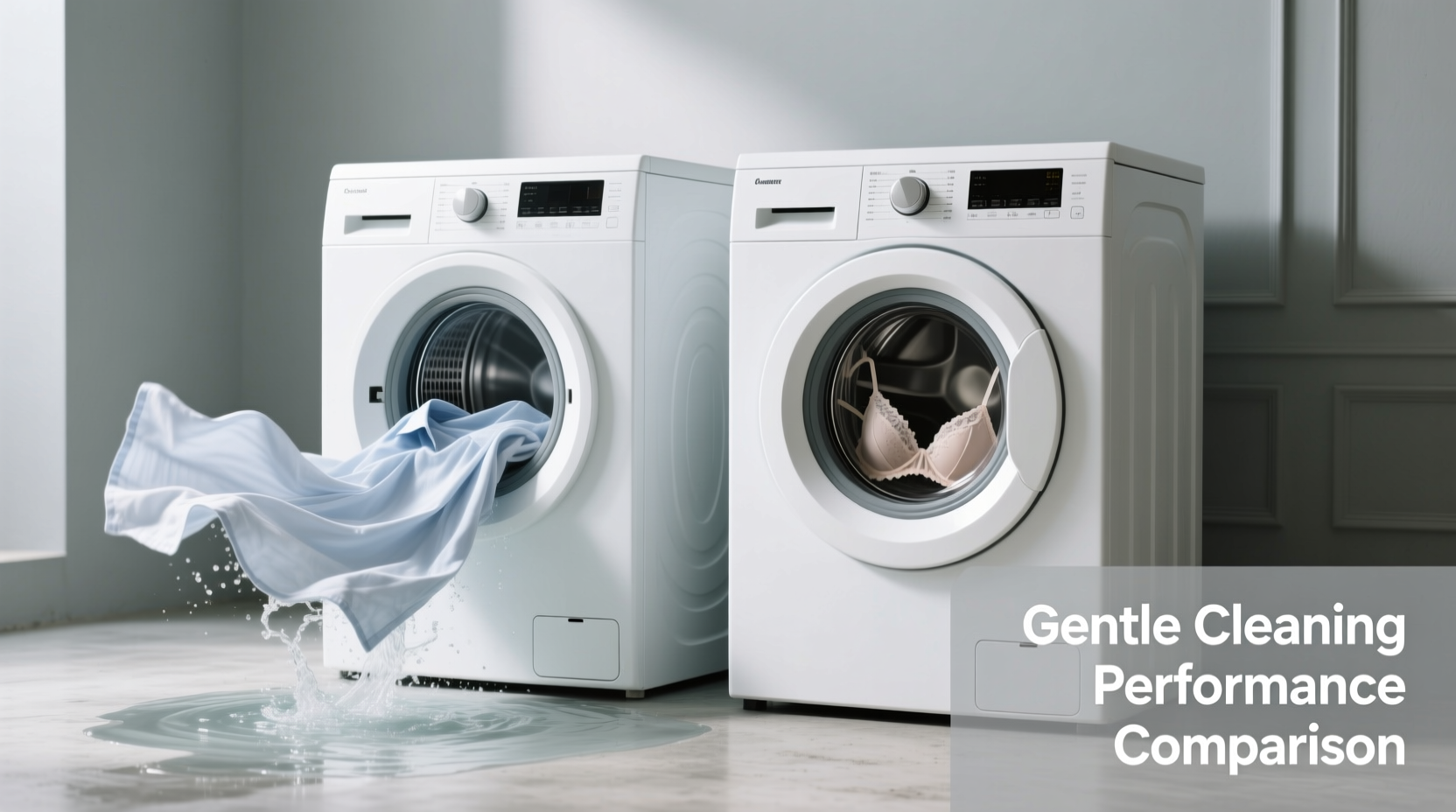
At their core, both top-loading and front-loading washing machines rely on agitation, water, detergent, and tumbling motion to remove dirt and odors from fabrics. However, the way these elements interact varies drastically between designs.
Traditional top-loading machines use a central agitator—a vertical post in the center of the drum—that twists back and forth, pulling clothes through water. This mechanical action generates friction, which lifts soil but also causes fibers to rub against each other and the drum walls. High-speed spin cycles further stress fabrics, especially if unbalanced loads cause excessive vibration.
In contrast, front-loading machines operate horizontally. Instead of an agitator, they use gravity and gentle tumbling. As the drum rotates, clothes are lifted to the top and then fall back into the water at the bottom. This “rainfall” effect cleans effectively with less abrasion. Water usage is typically lower, and spin speeds are higher, meaning clothes come out drier—reducing drying time and heat exposure, both of which contribute to fabric degradation over time.
Comparing Fabric Stress: Agitation vs. Tumbling
The primary factor determining how gently a machine treats clothes is its method of movement. Agitation, common in traditional top-loaders, creates strong mechanical force that can stretch, twist, and weaken fibers. This is particularly problematic for knits, lace, and loosely woven materials that easily snag or deform.
Front loaders, by design, minimize direct contact between clothes and hard surfaces. The tumbling motion allows garments to move freely within soapy water without being dragged across plastic or metal components. Studies conducted by textile engineers at the University of Leeds found that cotton t-shirts washed in front-loading machines retained up to 30% more tensile strength after 50 cycles compared to those washed in agitator-based top-loaders.
“Front-loading machines simulate hand-washing dynamics far better than agitators. They reduce fiber fatigue, which is key to maintaining softness and structure.” — Dr. Lena Patel, Textile Durability Researcher, Institute of Apparel Technology
High-efficiency (HE) top-loaders without agitators—often called impeller models—offer a middle ground. These use a low-profile cone or disc at the bottom of the drum to create currents that push clothes through water. While gentler than agitator models, they still expose fabrics to more turbulence than front loaders due to vertical orientation and faster wash cycles.
Wash Performance vs. Fabric Longevity: A Balanced View
It’s important to distinguish between cleaning performance and fabric care. Front-loading machines generally outperform top-loaders in removing stains and deeply embedded grime, thanks to longer wash cycles, higher spin efficiency, and superior water penetration. Yet paradoxically, this thorough cleaning happens with less physical stress on the material.
Top-loading machines, especially older agitator models, may appear to clean faster because of visible churning, but this often results in incomplete rinsing and higher detergent residue—both of which degrade fabric over time. Additionally, residual moisture trapped in thick fabrics like towels or denim leads to mildew smells and stiffness, indirectly affecting fabric integrity.
| Feature | Front-Loading | Top-Loading (Agitator) | Top-Loading (Impeller/HE) |
|---|---|---|---|
| Fabric Abrasion Level | Low | High | Moderate |
| Water Usage | Low (20–25 gal/load) | High (30–45 gal/load) | Medium (25–35 gal/load) |
| Suitability for Delicates | Excellent | Poor | Fair |
| Average Cycle Time | 60–90 min | 30–50 min | 45–60 min |
| Spin Efficiency (Moisture Left) | High (less moisture) | Low (more moisture) | Medium |
Note that while front loaders excel in fabric care, they require HE detergents and regular maintenance to prevent mold buildup in door seals. Neglecting cleaning routines can lead to odor issues, undermining their benefits.
Real-World Example: A Year of Washing Silk Blouses
Consider Sarah, a professional stylist based in Portland, who owns over two dozen silk blouses used regularly for client fittings. She previously used a standard top-loading agitator machine and noticed increased pilling, fading, and loss of sheen within six months of purchase. After switching to a front-loading washer with a dedicated “Delicate” cycle and cold-water settings, she tracked changes over a year.
Using identical detergent and drying methods (air-dried flat), her new batch of silk tops showed minimal wear even after 30+ washes. No shrinkage occurred, and color retention was markedly better. She attributes the improvement primarily to reduced agitation and consistent water temperature control offered by the front loader. “I used to replace silk shirts every season,” she says. “Now, some have lasted nearly two years with frequent use.”
Choosing the Right Machine: A Practical Checklist
Selecting a washing machine that prioritizes fabric care involves more than just deciding between top and front load. Use this checklist to make an informed decision tailored to your laundry habits:
- Evaluate your wardrobe: If you frequently wash delicates, wool, or technical fabrics, prioritize a front loader.
- Check for specialty cycles: Look for “Hand Wash,” “Silk,” or “Gentle” modes that reduce spin speed and agitation intensity.
- Verify detergent compatibility: Ensure you’re willing to use HE detergent, especially for front or high-efficiency top-loaders.
- Assess space and ergonomics: Front loaders require bending; if mobility is a concern, consider a raised pedestal or stick with a top loader.
- Review maintenance needs: Front loaders need monthly seal and drum wipes to prevent mildew. Top loaders are easier to maintain but may harbor lint and soap scum in crevices.
- Compare energy and water ratings: Front loaders typically score higher on efficiency, saving resources and reducing environmental impact.
Step-by-Step Guide to Maximizing Fabric Care in Any Machine
No matter which machine you own, you can take steps to ensure gentler cleaning. Follow this timeline to protect your clothes:
- Sort by fabric weight and type: Keep heavy items like jeans separate from lightweight silks or lingerie.
- Turn clothes inside out: This reduces surface abrasion and protects prints and dyes.
- Use mesh laundry bags: Especially for bras, hosiery, and knitwear, these act as a protective barrier.
- Select cold water settings: Hot water accelerates fading and shrinkage. Cold water preserves fibers and saves energy.
- Choose the gentlest appropriate cycle: Even in top loaders, avoid “Heavy Duty” unless absolutely necessary.
- Limit spin speed for delicate loads: If your machine allows manual adjustment, set spins to under 800 RPM for fragile items.
- Remove promptly after cycle ends: Prevent wrinkles and mildew by transferring clothes immediately to drying areas.
- Air-dry when possible: Skip the dryer for sensitive fabrics. Heat is a major contributor to fiber breakdown.
Frequently Asked Questions
Can I safely wash wool in a front-loading machine?
Yes, most modern front loaders include a “Wool” or “Hand Wash” cycle specifically designed for natural fibers. Use a wool-safe detergent and avoid high spins. Always check garment labels first—some wool items still require hand washing.
Are high-efficiency top loaders as gentle as front loaders?
They are gentler than traditional agitator models but not quite as gentle as front loaders. Impeller systems create turbulent water flow rather than direct tumbling, which can still cause tangling and stretching, especially in unbalanced loads.
Do front-loading machines damage clothes due to mold or mildew?
The machines themselves don’t damage clothes, but poor maintenance can. Residual moisture in rubber door gaskets may promote mold growth, which can transfer odors or stains. Wiping the seal weekly and leaving the door ajar after use prevents this issue.
Final Recommendations and Next Steps
If fabric preservation is a priority—whether for sentimental garments, investment pieces, or performance apparel—a front-loading washing machine is the superior choice. Its tumbling action, combined with precise water and temperature control, delivers deep cleaning with minimal wear. That said, newer high-efficiency top loaders without agitators offer a viable alternative for those constrained by space, budget, or physical accessibility.
The key takeaway is not simply which machine is better overall, but which one aligns best with your lifestyle and clothing needs. A well-maintained machine, paired with mindful laundering practices, can extend the life of your wardrobe significantly—saving money and reducing waste in the long run.
“Clothing longevity starts at the laundry stage. Gentle washing isn’t a luxury—it’s essential for sustainable fashion.” — Marcus Tran, Sustainable Living Advocate and Home Appliance Consultant




 浙公网安备
33010002000092号
浙公网安备
33010002000092号 浙B2-20120091-4
Comments
No comments yet. Why don't you start the discussion?