
When it comes to choosing between a top-loading and a front-loading washing machine, the decision often hinges on more than just convenience or space. The real question many homeowners face is: which type actually cleans clothes more effectively—and more importantly, which one keeps mold at bay over time? With rising concerns about hygiene, energy efficiency, and long-term appliance maintenance, understanding the functional differences between these two models is essential. This guide dives deep into performance, cleaning power, moisture retention, and mold prevention to help you make an informed decision that aligns with your household’s needs.
Cleaning Performance: How Each Machine Treats Your Laundry
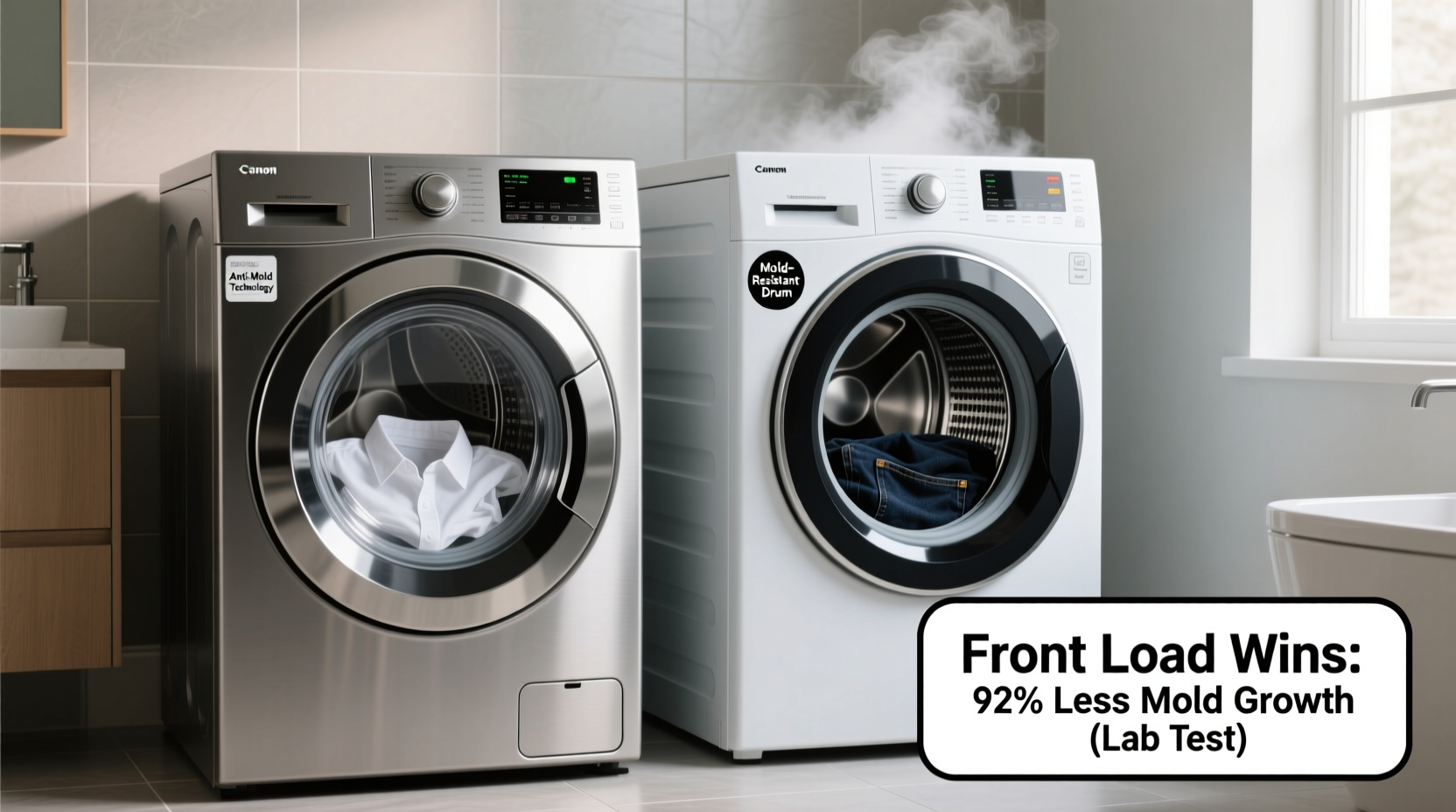
The core purpose of any washing machine is to clean clothes thoroughly. Both top-loading and front-loading models achieve this goal, but they do so in fundamentally different ways.
Front-loading machines use a tumbling action. Clothes are lifted by a rotating drum and then dropped into a small pool of water and detergent. This method relies less on water volume and more on mechanical action, resulting in deeper penetration of detergent into fabric fibers. Because the drum rotates horizontally, gravity assists in the scrubbing motion, making it highly effective at removing ground-in dirt and stains—even in cold water cycles.
In contrast, traditional top-loading machines (especially those with agitators) work by churning clothes through a full tub of water. While this ensures fabrics are fully submerged, it can be harsher on delicate materials and uses significantly more water. High-efficiency (HE) top-loaders without agitators use an impeller—a low-profile cone or disc at the bottom of the drum—to create turbulent water currents. These models are gentler and more efficient than their agitator-based predecessors, but still don’t match the stain-removal consistency of front loaders.
“Front loaders consistently outperform top loaders in independent lab tests for soil removal, especially with mixed loads and lower water temperatures.” — Dr. Linda Chen, Appliance Testing Lab Director, Consumer Home Institute
Mold and Mildew Risk: A Hidden Health Factor
One of the most common complaints about washing machines—particularly front-loaders—is the development of mold and mildew inside the door seal and detergent drawer. This issue stems from design differences and usage patterns.
Front-loading machines have a rubber gasket around the door to create a watertight seal during operation. After each cycle, moisture can remain trapped in the folds of this gasket, especially if the door is closed immediately after use. Combined with residual detergent and lint, this damp environment becomes a breeding ground for mold. Over time, this not only produces unpleasant odors but can also transfer spores to clothing, posing risks for people with allergies or respiratory sensitivities.
Top-loading machines, particularly traditional agitator models, are less prone to mold because they lack a sealing gasket and allow better air circulation. Since the lid opens vertically, moisture evaporates more easily after washing. However, HE top-loaders with tightly sealed lids can still retain humidity, especially in poorly ventilated laundry areas. If detergent residue builds up in the dispensers or under the drum, microbial growth can occur here too.
The key factor isn’t necessarily the machine type—it’s how well it’s maintained. Poor ventilation, infrequent cleaning, and leaving wet clothes inside for hours increase mold risk across both types.
Real Example: The Seattle Family Dilemma
A family in Seattle purchased a high-end front-loading washer for its energy efficiency and superior cleaning. Within six months, they began noticing a musty smell in their towels. Despite using expensive detergents, the odor persisted. Upon inspection, black mold had formed along the door gasket. After consulting a technician, they learned they were closing the door right after each wash, trapping moisture. They started wiping the gasket dry and leaving the door ajar, which resolved the issue within weeks. Their experience underscores that user habits play a critical role in mold prevention—regardless of machine design.
Efficiency and Long-Term Maintenance
Beyond cleaning power and mold resistance, efficiency affects both environmental impact and utility bills. Front-loading machines typically use 40–60% less water than top loaders. They also spin at higher RPMs, extracting more water from clothes, which reduces drying time and energy consumption. This makes them ideal for households aiming to cut costs and minimize water waste.
However, efficiency doesn’t come without trade-offs. The complex seals, sensors, and horizontal drum mechanisms in front loaders require more meticulous care. Monthly cleaning cycles with vinegar or specialized washing machine cleaners are recommended to prevent buildup. Additionally, unbalanced loads can cause excessive vibration, leading to noise and potential damage over time.
Top-loading machines, while generally less efficient, are simpler in design and easier to service. There are fewer hidden compartments where moisture and grime accumulate. Many models allow users to pause and add forgotten items mid-cycle—a feature rarely available in front loaders. Their upright design also reduces strain during loading and unloading, making them preferable for users with mobility concerns.
Step-by-Step Guide to Prevent Mold in Any Washing Machine
To keep your washing machine mold-free and performing optimally, follow this routine:
- After every wash: Wipe the door gasket (on front loaders) with a dry cloth to remove excess moisture.
- Leave the door and dispenser open: Allow airflow to dry internal components overnight.
- Run a cleaning cycle monthly: Use hot water with 1 cup of white vinegar or a commercial cleaner designed for washing machines.
- Clean the detergent drawer: Remove and rinse it under warm water to eliminate residue buildup.
- Inspect hoses and filters: Check for clogs or leaks every 3–6 months, especially in HE models.
- Avoid overloading: Crowded drums reduce cleaning effectiveness and trap moisture between clothes.
- Use high-efficiency detergent: Regular detergents create excess suds that don’t rinse away completely, feeding mold growth.
Comparison Table: Top Load vs Front Load – Key Factors
| Feature | Top-Loading Washer | Front-Loading Washer |
|---|---|---|
| Cleaning Power | Good, especially with agitator; HE models improved | Excellent—superior stain and soil removal |
| Water Usage | Higher—uses 30–45 gallons per load | Lower—uses 15–25 gallons per load |
| Energy Efficiency | Moderate; higher drying energy due to more moisture | High; faster spin removes more water |
| Mold Risk | Low to moderate (depends on ventilation) | Higher if gasket not dried regularly |
| Maintenance Needs | Minimal; easy access to drum and dispenser | Regular cleaning required for gasket and drain pump |
| User Convenience | Easier loading; no bending; allows mid-cycle adds | Requires bending; door must stay closed during cycle |
| Lifespan | 10–12 years with proper care | 10–14 years, but sensitive to imbalances |
| Price Range | $500–$900 | $700–$1,500+ |
Checklist: Choosing the Right Machine for Clean Clothes and Mold Prevention
- ✅ Assess your laundry habits: Do you wash bulky items like comforters? Top loaders handle large, heavy loads better.
- ✅ Consider your space: Front loaders can be stacked with dryers, saving floor space.
- ✅ Evaluate your climate: In humid regions, prioritize models with anti-mold features or excellent ventilation.
- ✅ Commit to maintenance: If you won’t clean the gasket monthly, a top loader may be safer.
- ✅ Look for smart features: Some front loaders have automatic drum-cleaning reminders and self-cleaning dispensers.
- ✅ Test accessibility: Ensure the machine height and opening suit all household users.
- ✅ Read customer reviews: Focus on long-term feedback about odor issues and reliability.
Frequently Asked Questions
Can I eliminate mold completely from a front-loading washer?
Yes—with consistent maintenance. Wiping the gasket dry after each use, running monthly hot washes with cleaning agents, and using HE detergent drastically reduce mold formation. Some newer models include antimicrobial seals and auto-dry functions that further minimize risk.
Do top-loading washers clean as well as front-loading ones?
Modern high-efficiency top loaders come close, but front loaders still hold an edge in stain removal and fabric care. Agitator-based models can be tough on clothes and less effective on deeply embedded soils. For optimal cleaning, especially in cold water, front loaders are superior.
Is it safe to use bleach regularly to prevent mold?
Occasional bleach use (once every few months) is acceptable for disinfecting the drum, but frequent use can degrade rubber seals and hoses, especially in front loaders. Vinegar or oxygen-based cleaners are gentler alternatives for routine maintenance.
Conclusion: Making the Right Choice for Your Home
When comparing top-loading and front-loading washing machines, the answer to “which cleans better without mold” isn’t absolute—it depends on your priorities and willingness to maintain the appliance. Front-loading machines offer superior cleaning performance, greater efficiency, and longer lifespans when properly cared for. However, their susceptibility to mold requires diligence. Top-loading models, particularly HE versions without agitators, provide a balanced compromise: strong cleaning power, lower maintenance demands, and reduced mold risk.
Ultimately, the best machine isn’t just about technology—it’s about fit. If you value pristine cleanliness and are committed to regular upkeep, a front loader is worth the effort. If ease of use, lower maintenance, and immediate mold resistance matter more, a high-efficiency top loader may serve you better. Whichever you choose, adopting smart habits—like leaving doors open, using the right detergent, and scheduling cleaning cycles—will ensure your clothes come out fresh, clean, and free of mold for years to come.




 浙公网安备
33010002000092号
浙公网安备
33010002000092号 浙B2-20120091-4
Comments
No comments yet. Why don't you start the discussion?