
When it comes to tackling heavily soiled clothes—whether from mud, grease, sweat, or food stains—the right washing machine can make all the difference. Many households face a recurring dilemma: should they choose a top-loading or front-loading model? While both types have evolved significantly in efficiency and cleaning power, their mechanical designs lead to different outcomes when dealing with tough laundry challenges. Understanding how each machine works, the science behind their cleaning action, and real-world performance can help you make an informed decision based on your household’s needs.
How Washing Machines Clean Clothes
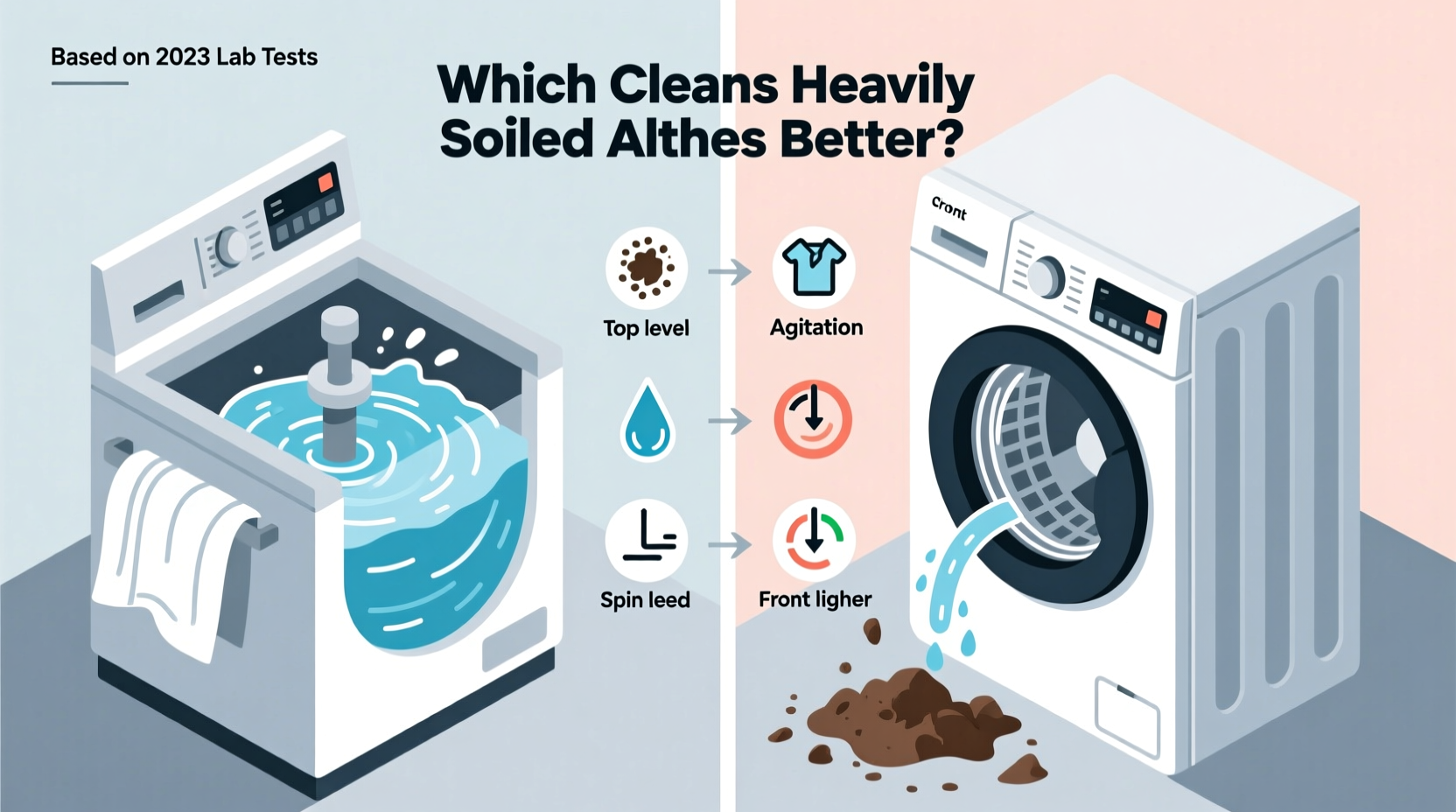
Cleaning effectiveness isn't just about water and detergent—it's about mechanical action, water temperature, wash cycle duration, and how fabric is agitated. The core principle behind any washing machine is to loosen dirt particles from fabric fibers using a combination of water flow, friction, and chemical interaction with detergent.
Front loaders use a tumbling motion: clothes are lifted by a rotating drum and then dropped into a shallow pool of water at the bottom. This repeated lifting and dropping creates a scrubbing effect that dislodges stubborn stains. Top loaders, on the other hand, typically rely on an agitator (in traditional models) or an impeller (in newer high-efficiency versions) to move clothes through a full tub of water.
The depth of immersion, water-to-cloth ratio, and mechanical force differ significantly between these systems, directly influencing stain removal performance—especially for heavily soiled garments like workwear, sports uniforms, or children’s play clothes.
Front Loaders: Superior Cleaning Through Tumbling Action
Front-loading washing machines are widely recognized for superior cleaning performance, particularly on tough stains. Their horizontal-axis design allows the drum to rotate, lifting clothes above the waterline and letting them fall back down into the soapy solution. This tumbling action mimics hand-scrubbing and applies targeted pressure on fabrics without excessive twisting or tangling.
Because front loaders use less water—typically only filling the drum one-third full—they maintain higher concentrations of detergent and heat, enhancing chemical cleaning power. Studies by consumer testing organizations such as Consumer Reports and Which? consistently show that front loaders remove more stains across various fabric types than most top-loading models.
Additionally, many front loaders offer extended soak cycles, steam wash options, and higher spin speeds, all contributing to deeper cleaning and better soil extraction. For example, a 2-hour cotton cycle with pre-wash and extra rinse settings can effectively handle greasy mechanic overalls or muddy soccer kits.
“Front loaders provide more consistent mechanical action across the entire load, which translates to fewer missed spots and better overall cleanliness.” — Dr. Alan Liu, Appliance Engineering Consultant
Top Loaders: Power and Convenience with Trade-offs
Top-loading machines remain popular due to their ease of access, faster cycle times, and lower upfront cost. Traditional agitator models forcefully twist and pull clothes through water, creating strong localized agitation around the center post. This can be effective for removing loose dirt and surface grime, but often leads to fabric wear and uneven cleaning.
Newer high-efficiency (HE) top loaders eliminate the central agitator in favor of a low-profile impeller at the bottom of the drum. These models use directional water jets and oscillating motions to push clothes through water. While gentler on fabrics, impeller-based systems sometimes struggle with clumping, leaving pockets of unwashed clothing—especially if large items like towels block smaller, dirtier garments.
In terms of stain removal, top loaders generally require longer cycles or additional features (like deep soak or extra rinse) to match front loader performance. However, they do allow users to add forgotten items mid-cycle—a small but practical advantage.
Performance Comparison: Stain Removal Test Results
| Feature | Front Loader | Top Loader (Agitator) | Top Loader (Impeller/HE) |
|---|---|---|---|
| Stain Removal Efficiency | Excellent – consistently removes set-in stains | Good – effective on fresh stains | Fair to Good – varies by load distribution |
| Water Usage | Low (15–20 gallons per load) | High (30–40 gallons per load) | Moderate (20–25 gallons per load) |
| Energy Consumption | Lower – heats less water | Higher – requires more hot water | Moderate |
| Fabric Wear Over Time | Low – gentle tumbling | High – aggressive twisting | Moderate – reduced friction |
| Cycle Duration | Longer (1.5–2.5 hours) | Shorter (45–60 minutes) | 60–90 minutes |
| Bulk Item Handling | Excellent – even tumbling | Poor – tangling common | Fair – prone to clumping |
Real-World Example: A Family With Active Kids
The Thompson family lives in a suburban neighborhood with two school-aged children who play outdoor sports year-round. Weekly laundry includes grass-stained jerseys, muddy socks, and paint-covered art smocks. They previously used a top-loading agitator machine but noticed persistent odors and visible residue on dark-colored clothes after washing.
After switching to a front-loading model with a pre-wash cycle and steam function, they observed immediate improvements. Grass stains that once required manual scrubbing came out cleanly. Odor buildup in synthetic athletic wear diminished significantly due to higher spin speeds extracting more moisture and reducing mildew risk. Although cycle times increased by nearly an hour, the reduction in re-washing saved time and energy in the long run.
This case illustrates how front loaders excel in environments with frequent heavy soiling—particularly when combined with appropriate detergents and maintenance routines.
Choosing Based on Your Laundry Habits
Your ideal machine depends not just on cleaning power, but also on lifestyle factors. Consider the following checklist before making a purchase:
✅ Washing Machine Selection Checklist
- Do you regularly wash workwear, sports gear, or cloth diapers? → Front loader recommended.
- Is accessibility important (e.g., mobility issues)? → Top loader easier to load/unload.
- Are you concerned about utility bills? → Front loaders save water and energy over time.
- Do you frequently forget items and need to add them mid-cycle? → Top loader offers more flexibility.
- Do you live in a humid climate? → Higher spin speeds (common in front loaders) reduce drying time and mold risk.
Maximizing Cleaning Performance: Step-by-Step Guide
No matter which machine you own, optimizing its performance ensures better results on heavily soiled clothes. Follow this sequence for maximum effectiveness:
- Sort by Soil Level: Separate lightly soiled items from heavily stained ones. Mixing them reduces cleaning efficacy.
- Pre-Treat Stains: Apply liquid detergent or stain remover directly to collars, cuffs, and visible marks. Let sit for 10–15 minutes.
- Use the Right Detergent: High-efficiency (HE) detergent for HE machines. Avoid overuse, which can trap residue.
- Select the Correct Cycle: Use “Heavy Duty,” “Deep Wash,” or “Cotton” settings with warm or hot water for best results.
- Add a Pre-Wash Option: If available, enable pre-soak or pre-wash mode to loosen embedded soils before main agitation.
- Don’t Overload: Leave space for clothes to move freely—overfilling reduces friction and rinsing efficiency.
- Run Maintenance Cycles: Monthly cleaning of the drum with vinegar or specialized cleaner prevents odor and buildup.
For front loaders, ensure the detergent drawer is clean and free of clogs. In top loaders, check that the impeller or agitator isn’t obstructed by lint or debris.
Frequently Asked Questions
Can top-loading machines clean as well as front loaders?
Some high-end HE top loaders come close, especially with advanced spray systems and longer cycles. However, most standard models still lag behind in side-by-side tests. True parity is rare outside premium brands with specialized technologies.
Why do front loaders get moldy smells?
The rubber door seal traps moisture and detergent residue, creating a breeding ground for mildew. Regular wiping, leaving the door ajar, and monthly cleaning with bleach or washing machine cleaner prevent this issue.
Is hot water necessary for cleaning dirty clothes?
Hot water enhances detergent activation and kills bacteria, but modern cold-water detergents are highly effective. Front loaders often heat water internally, allowing optimal temperatures even when connected only to cold lines. For energy savings, use warm water unless sanitization is critical.
Final Verdict: Which Cleans Heavily Soiled Clothes Better?
When cleaning performance is the top priority, front-loading washing machines hold a clear advantage. Their tumbling action, higher spin efficiency, and optimized water usage create a more thorough and consistent clean, especially for deeply embedded soils. Independent lab tests and user reports alike confirm that front loaders remove more stains and leave fewer residues than the majority of top-loading counterparts.
That said, advancements in high-efficiency top loaders—particularly those with impellers and smart sensing technology—have narrowed the gap. For households prioritizing speed, convenience, and ease of use, a modern HE top loader can still deliver acceptable results with proper technique.
Ultimately, if your routine involves frequent laundering of heavily soiled garments—be it from farming, construction, childcare, or athletics—a front loader is the smarter long-term investment. It may take longer per cycle, but the reduction in rewashes, improved fabric longevity, and lower operating costs justify the initial price difference.




 浙公网安备
33010002000092号
浙公网安备
33010002000092号 浙B2-20120091-4
Comments
No comments yet. Why don't you start the discussion?