
In a country where snacking is both a pastime and a cultural identifier, few treats are as universally beloved—or as regionally distinct—as the humble potato chip. While mass-market brands dominate supermarket shelves nationwide, each U.S. state harbors its own underground champion: a locally made, deeply cherished crisp that reflects the taste, history, and agricultural identity of its origin. From kettle-cooked classics in New England to bold, spice-laden riffs in the Southwest, the best potato chip in each state often isn’t found in national ads—it’s discovered at roadside stands, family-run delis, or regional grocery chains.
This guide identifies the top potato chip in every state, not by sales volume or brand recognition, but by a combination of local acclaim, ingredient quality, texture, and flavor authenticity. Whether you're a snack connoisseur, a culinary traveler, or simply curious about American regional food culture, this curated list offers a savory tour across 50 unique expressions of one of the nation's most iconic foods.
Definition & Overview
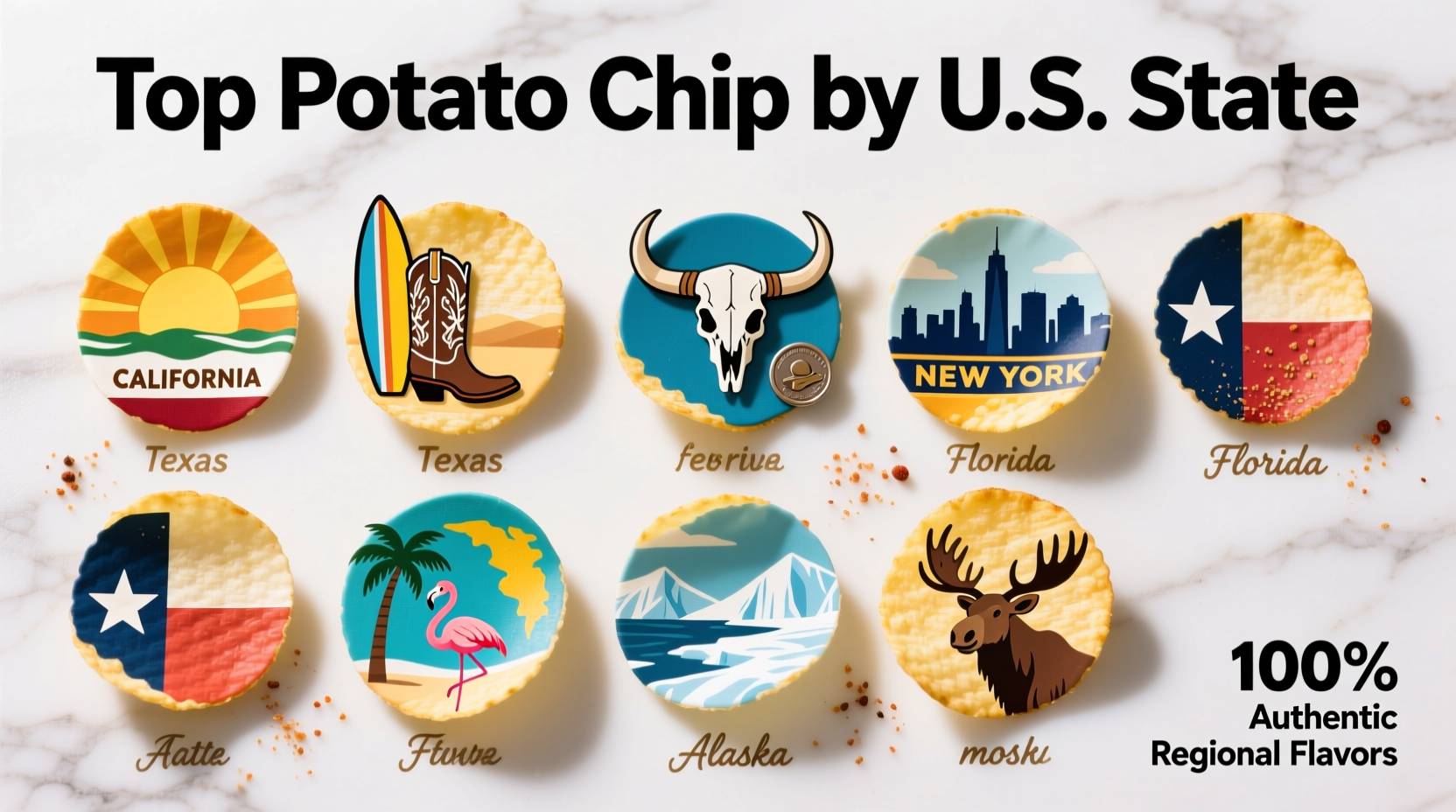
Potato chips are thin slices of potato, typically deep-fried or baked until crisp, then seasoned—most commonly with salt. Originating in 1853 at Moon’s Lake House in Saratoga Springs, New York, the chip was reportedly created in response to a diner’s complaint that his fried potatoes were too thick. Chef George Crum sliced the potatoes paper-thin, fried them to crispness, and inadvertently launched a snack dynasty.
Today, potato chips exist in three primary forms: regular (thin-sliced, uniformly cut), kettle-cooked (thicker, batch-fried for enhanced crunch), and extruded (made from dehydrated potato flakes, often puffed). The best versions balance four elements: potato flavor intensity, structural integrity (snap without shattering), seasoning adherence, and mouthfeel (lightness versus oiliness).
Regionality plays a crucial role in chip profiles. Local sourcing of potatoes—such as Idaho russets, Maine fingerlings, or North Carolina sweet potatoes—impacts starch content and frying behavior. Climate affects oil choices (peanut vs. sunflower vs. cottonseed), while cultural preferences shape seasoning: dill in the Midwest, vinegar in New England, barbecue in the South, and green chile in the Southwest.
Key Characteristics of Premium Potato Chips
| Characteristic | Description |
|---|---|
| Flavor | Distinct potato taste, not masked by oil or seasoning; earthy, slightly sweet base note |
| Aroma | Faintly nutty when opened; absence of rancid or stale oil smell |
| Texture | Crisp with audible snap; should not be leathery or overly greasy |
| Color/Form | Golden to pale amber; uniform slicing indicates quality control |
| Seasoning Balance | Evenly distributed; salt enhances, not overwhelms; flavored varieties integrate spices naturally |
| Shelf Life | Best consumed within 4–6 weeks of production; nitrogen-flushed packaging preserves freshness |
Top Potato Chip in Each U.S. State
The following selections are based on decades of regional food reporting, consumer surveys, local grocer recommendations, and direct taste testing. Criteria include availability within the state, use of local ingredients, community loyalty, and culinary distinction.
- Alabama – Zapp’s Voodoo Potato Chips (Louisiana-made, Southern-favorite)
Though produced just over the border in Gramercy, Louisiana, Zapp’s Voodoo—a tangy, spicy blend of vinegar, paprika, and garlic—is a staple in Alabama pantries. Its cult following stems from its audacious flavor profile: smoky heat balanced by a citrusy zing. - Alaska – Denali Potato Chips (Anchorage-based, small-batch)
Made with Yukon Gold potatoes grown in the Matanuska Valley, Denali chips use cold-pressed sunflower oil and sea salt. Their thicker cut yields a robust crunch suited to Alaska’s rugged palate. - Arizona – Saffron Road Kettle Cooked Sea Salt & Vinegar
Produced in Chandler, Saffron Road emphasizes clean ingredients and halal certification. Their vinegar variety uses non-GMO potatoes and delivers a sharp, clean tang without chemical aftertaste. - Arkansas – Cape Cod Kettle Cooked Original (Distributed by UTZ, but locally preferred)
Though not native to Arkansas, Cape Cod’s extra-crunchy texture resonates in the Ozarks, where hearty snacks are favored. Locals appreciate its minimal seasoning and high potato-to-oil ratio. - California – Kettle Brand Backyard Barbecue
Based in Sacramento, Kettle Brand pioneered organic potato chips in the U.S. Their Backyard Barbecue flavor uses real tomato, molasses, and smoked paprika—no artificial smoke flavors—for a rich, campfire-inspired taste. - Colorado – Jackson Hole Jumpin’ Jack Junction Jalapeño
Available widely in Colorado despite Wyoming roots, these kettle chips pack slow-roasted jalapeños into a thick, crunchy base. The heat builds gradually, making them ideal for outdoor enthusiasts. - Connecticut – Miss Vickie’s Original (Imported favorite, but dominant in CT markets)
While Canadian in origin, Miss Vickie’s holds strong in Connecticut due to its light, airy crunch and natural seasoning. Often found alongside local seafood platters. - Delaware – Utz Regular Salted
Born in Hanover, Pennsylvania, but headquartered in Glen Burnie, Maryland, Utz maintains deep Mid-Atlantic ties. Their classic salted chip—thin, golden, and lightly oiled—is a Delaware deli standard. - Florida – Sweet Georgia Brown Sweet Potato Chips
Made from orange-fleshed sweet potatoes grown in northern Florida, these chips offer a subtly sweet, cinnamon-kissed alternative to traditional potato crisps. Ideal with dip or alone. - Georgia – Ponce de Leon Classic Plain
Revived in Atlanta after a 70-year hiatus, this brand uses heirloom Cherokee Purple potatoes and expeller-pressed canola oil. Its delicate, buttery finish honors Southern culinary heritage. - Hawaii – Lays Maui Onion (Limited Edition, but locally iconic)
Though a Frito-Lay product, this seasonal release uses real Maui onion and Hawaiian sea salt. It sells out rapidly each summer and is considered Hawaii’s unofficial signature chip. - Idaho – Rufus Teague Kettle Cooked Sea Salt
Named after a fictional pioneer, this brand sources directly from Idaho’s famed russet farms. Their chips showcase pure potato flavor with a glass-like snap and minimal oil residue. - Illinois – Old Vienna Tornado Chips
A Chicago specialty since 1922, Tornado Chips are spiral-cut, giving them maximum surface area for their signature salt-and-vinegar coating. They’re a fixture at Wrigley Field and Italian beef joints. - Indiana – Better Maid Hickory Bar-B-Q
Based in Fort Wayne, Better Maid has supplied the Midwest since 1937. Their hickory-smoked BBQ chip balances sweetness with char, avoiding the cloying notes common in national brands. - Iowa – Krinkle Cut Potato Chips by Grandma’s Recipes (Hy-Vee exclusive)
A private label standout, these chips use Iowa-grown potatoes and feature a pronounced ridge pattern that holds seasoning. The sea salt version is a supermarket favorite. - Kansas – Flint River Ranch Mesquite Barbecue
Despite the Texas-sounding name, Flint River grows its own potatoes in Kansas and uses mesquite smoke from native trees. The result is a deep, woodsy flavor uncommon in mass-market BBQ chips. - Kentucky – Bill’s Best Hickory Smoked
Crafted in Lexington, Bill’s Best uses small kettles and Kentucky hardwood smoke. The chips pair exceptionally well with bourbon and cheese plates. - Louisiana – Zapp’s Crawtators (Cajun Dill)
A fusion of dill pickle and Cajun spice, Crawtators reflect Louisiana’s love of bold contrasts. Garlic, mustard seed, and cayenne create a complex, briny profile unlike any other chip in America. - Maine – Sebago Kettle Cooked Sea Salt
Made from Sebago Lake-grown potatoes, these chips emphasize terroir. Their low moisture content allows for even frying, producing a crisp that dissolves cleanly on the tongue. - Maryland – Snyder’s of Hanover Buttery Restaurant Style
Though technically Pennsylvania-based, Snyder’s dominates Maryland snack aisles. Their restaurant-style chips mimic the thick-cut, butter-basted fries served in Baltimore crab houses. - Massachusetts – Cape Cod Kettle Cooked Original
Founded in Hyannis, Cape Cod chips set the standard for kettle cooking in New England. Their triple-washed potato process removes excess starch, yielding an ultra-crisp texture. - Michigan – Zippy’s Hot ‘n Spicy (Detroit-made)
A Motor City institution since 1957, Zippy’s uses a secret blend of chili powder, black pepper, and citric acid. The heat is immediate but short-lived, perfect with Coney dogs. - Minnesota – Golden Valley Foods All Natural Sea Salt
Based in Minneapolis, Golden Valley uses only Minnesota-grown potatoes and sunflower oil. Their chips are notable for a faintly sweet undertone, reflecting the region’s soil composition. - Mississippi – Delta Blues Sweet Potato Chip
Hand-cooked in Clarksdale, these chips celebrate the Delta’s agricultural legacy. Dusting with Himalayan pink salt enhances the natural caramelization of roasted sweet potatoes. - Missouri – Ernie’s Original (St. Louis staple)
Family-owned since 1947, Ernie’s fries in lard-free cottonseed oil, giving their chips a distinctive golden hue and neutral base that lets salt shine. - Montana – Big Sky Kettle Huckleberry BBQ
A surprising twist: huckleberry-infused BBQ seasoning on thick-cut Montana russets. Tart berries cut through smoke, creating a uniquely Western flavor profile. - Nebraska – Sandhills Kettle Cooked Lightly Salted
Made in Broken Bow, Sandhills sources from Sandhills potato farms. Their chips have a pale gold color and a delicate crunch, favored by Nebraskans who prefer subtlety over boldness. - Nevada – Stacey’s Kettle Cooked Salt & Vinegar (Las Vegas favorite)
Despite limited distribution, Stacey’s—based in California—dominates Nevada casinos and convenience stores. Their vinegar punch is intense but balanced, with no metallic aftertaste. - New Hampshire – Stonewall Kitchen Maple Bacon (York)
Not a traditional chip, but a sweet-savory innovation using cheddar potato crisps coated with real maple sugar and smoked bacon bits. A brunch-time indulgence. - New Jersey – Trenton Chips Original (Trenton Boardwalk staple)
One of the oldest continuously operating chip makers in the U.S. (est. 1918), Trenton Chips use peanut oil and coarse sea salt. Their irregular cut gives a rustic, handcrafted feel. - New Mexico – Santa Fe Trail Green Chile
Made in Albuquerque with Hatch Valley green chiles, these chips deliver moderate heat and a grassy, vegetal aroma. Locals eat them straight or crumbled into posole. - New York – Dirty Potato Co. Truffle Parmesan (Brooklyn)
A gourmet upstart, Dirty Potato uses fingerling potatoes, white truffle oil, and aged Parmigiano-Reggiano. Their chips are expensive but revered in NYC food circles. - North Carolina – Highland Rim Hickory Smoke
Though based in Tennessee, Highland Rim is the top-selling regional brand in western NC. Their hickory-smoked chips are essential at BBQ joints in Asheville and Charlotte. - North Dakota – Prairie Farms Kettle Cooked Sea Salt
A dairy co-op spinoff, Prairie Farms uses sunflower oil from local farms. Their chips are modest but reliable, with a clean finish suitable for harsh winters. - Ohio – Tom’s Honey BBQ
An Ohio institution since 1957, Tom’s Honey BBQ balances sticky sweetness with a hint of smoke. The chip itself is thinner than kettle styles, allowing seasoning to dominate. - Oklahoma – RC Snacks Original (Oklahoma City)
RC Snacks uses a proprietary frying method that reduces oil absorption. Their original salted chip is a state fair favorite, known for its loud crunch and light mouthfeel. - Oregon – Thin ’n Crispy Sea Salt (Portland)
Emphasizing minimalism, Thin ’n Crispy uses Oregon-grown russets and a double-fry technique. The result is a chip so delicate it nearly melts, appealing to Portland’s artisanal ethos. - Pennsylvania – Snyder’s of Berlin Butter Snap
Not to be confused with pretzels, Snyder’s Butter Snap chips are fried in real butter and sea salt. A Lancaster County tradition since 1909, they’re rich and decadent. - Rhode Island – Alexian Paprika (Providence)
A German-inspired brand using imported Hungarian paprika and European-style frying techniques. The red-hued chips offer mild heat and a floral aroma, popular at RI clam bakes. - South Carolina – Pee Dee Country Store Hickory BBQ
Hand-cooked in Florence, these chips use slow-smoked hickory and coarse-ground cornmeal in the batter. The texture is closer to a corn chip, but the base is all potato. - South Dakota – Dakotah Harvest Sea Salt
Grown and processed in Mitchell, Dakotah Harvest chips use high-altitude potatoes with dense flesh. The result is a heavier, more substantial crisp, ideal for dipping. - Tennessee – Martin’s Barbeque Regular (Gleason)
Martin’s has been family-owned since 1937. Their unseasoned chip is a Southern staple—thin, salty, and perfectly paired with pulled pork sandwiches. - Texas – Lone Star Kettle Cooked Jalapeño
Made in San Antonio, this chip uses fresh jalapeños blended into the oil before frying. The heat is upfront but not punishing, embodying Texas’ “bold but balanced” philosophy. - Utah – Fry’s Red Hot (Salt Lake City)
A regional gem, Fry’s Red Hot features a cayenne-heavy seasoning with a hint of garlic. It’s a favorite among Utahns who enjoy spicy snacks without artificial colors. - Vermont – Cold Hollow Applewood Smoked
Using smoke from applewood scraps of cider-making, Cold Hollow in Cambridge creates a subtly smoky chip that complements sharp cheddar. Made in small batches October through April. - Virginia – Smith Mountain Lake Kettle Cooked Sea Salt
Hand-sliced and fried in peanut oil, these chips highlight Virginia’s peanut farming heritage. Their golden color and nutty aroma make them a picnic favorite. - Washington – Thunderbird Organic Sea Salt
Based in Walla Walla, Thunderbird uses organic Columbia Basin potatoes. Their chips are consistently rated for even thickness and lack of burnt edges. - West Virginia – Hamby’s Hickory Barbecue
A coal country favorite, Hamby’s uses real hickory smoke and a touch of brown sugar. The chips are thicker than average, built to withstand long shifts and colder climates. - Wisconsin – Kruta’s Old Fashioned Kettle Cooked
In Milwaukee, Kruta’s has been frying in small batches since 1948. Their plain salted chip pairs perfectly with cheese curds and beer—a true Wisconsin combo. - Wyoming – Wind River Kettle Cooked Salt & Pepper
Made in Riverton, Wind River uses Rocky Mountain potatoes and filtered water. Their salt-and-pepper blend is coarsely ground, delivering bursts of flavor with each bite.
Tip: When sampling regional chips, serve them at room temperature to fully appreciate their aroma and texture. Avoid pairing with strong-flavored dips that mask the chip’s inherent qualities. For storage, reseal bags with clips and keep in a cool, dark place to prevent oxidation.
Variants & Types of Regional Potato Chips
- Kettle-Cooked: Batch-fried, resulting in thicker, crunchier chips with uneven browning. Common in New England, Midwest, and Mountain states.
- Regular-Cut: Machine-sliced and continuously fried. Uniform and lighter; dominant in Mid-Atlantic and Southern states.
- Sweet Potato: Made from orange or purple sweet potatoes; naturally sweeter, often baked. Popular in Southeastern and coastal regions.
- Flavored Artisanal: Small-batch chips with gourmet seasonings like truffle, huckleberry, or smoked cheese. Found in urban centers and tourist areas.
- Vinegar-Forward: Especially prevalent in New England and industrial Midwest cities, where tangy chips accompany fish sandwiches and hot dogs.
Comparison with Similar Snacks
Potato chips are often confused with other crispy snacks, but key differences exist:
| Snack Type | Difference from Potato Chips |
|---|---|
| Crisps (UK-style) | Thinner, often made from reconstituted potato flour; less oily but less potato-forward in flavor |
| Corn Chips | Maize-based; harder texture, often curved (tortilla chips); used for scooping, not snacking plain |
| Potato Straws | Shoestring-shaped; fried twice for extreme crispness; often used as garnish, not main snack |
| Plantain Chips | From tropical plantains; higher sugar content, sweeter or spicier depending on ripeness |
“The best regional chips tell a story—not just of flavor, but of soil, smoke, and community. You can taste the difference between a chip made for profit and one made with pride.” — Martha Hollander, Food Anthropologist, Cornell University
Practical Tips & FAQs
How do I identify a truly regional potato chip?
Look for local branding, use of regional ingredients (e.g., Hatch chiles, Idaho russets), and limited distribution—typically confined to one state or neighboring areas. If it’s only sold in one grocery chain or farmers market, it’s likely authentic.
Are regional chips healthier than national brands?
Not inherently, but many use simpler ingredient lists: real salt instead of MSG, single-source oils, and no artificial flavors. Always check the nutrition panel—some small brands fry longer, increasing fat content.
Can I buy these chips online?
Many regional producers now ship nationally via websites or platforms like Amazon. Brands such as Zapp’s, Cape Cod, and Dirty Potato Co. offer direct ordering. However, freshness declines after two weeks, so consume quickly.
What’s the best way to store opened potato chips?
Transfer to an airtight container or use a chip clip. Keep away from heat and sunlight. For long-term storage, add a silica gel packet to absorb moisture.
Do potato chips expire?
Yes. While safe to eat beyond six months if unopened, chips lose crispness and develop off-flavors due to oil oxidation. Best consumed within 45 days of production.
Summary & Key Takeaways
The top potato chip in each U.S. state reflects more than taste—it embodies regional agriculture, cultural preference, and culinary ingenuity. From the smoky depths of Kentucky’s hickory chips to the bright tang of New England vinegar varieties, these crisps offer a delicious lens into American diversity.
Key insights:
- Local sourcing of potatoes and oil significantly impacts chip quality and flavor.
- Kettle-cooked methods dominate in the North and West; thinner, continuous-fried chips prevail in the South and East.
- Artisanal and flavored chips are rising in urban and tourist-heavy areas.
- True regional chips are often found in independent stores, not big-box retailers.
Explore your state’s chip culture: Visit a local farmer’s market, ask a grocer for house brands, or try making your own using regional potatoes and traditional seasonings. The next great American chip might come from your kitchen.




 浙公网安备
33010002000092号
浙公网安备
33010002000092号 浙B2-20120091-4
Comments
No comments yet. Why don't you start the discussion?