
For home cooks seeking comfort, convenience, and consistent flavor, the slow cooker remains an indispensable kitchen tool—especially when it comes to soups. Unlike stovetop methods that demand monitoring, slow cookers allow ingredients to meld over hours, extracting maximum depth from bones, vegetables, and herbs while requiring little active time. This makes them ideal for busy professionals, parents, and anyone prioritizing nutritious, homemade meals without daily labor. The appeal of slow cooker soups extends beyond ease: they are naturally forgiving, scalable, and often improve in flavor the next day. From hearty beef stews to creamy vegetable blends and brothy Asian-inspired bowls, these recipes deliver restaurant-quality results with minimal cleanup. Understanding how to maximize this appliance’s potential transforms weeknight dining into a seamless ritual of warmth and nourishment.
Definition & Overview
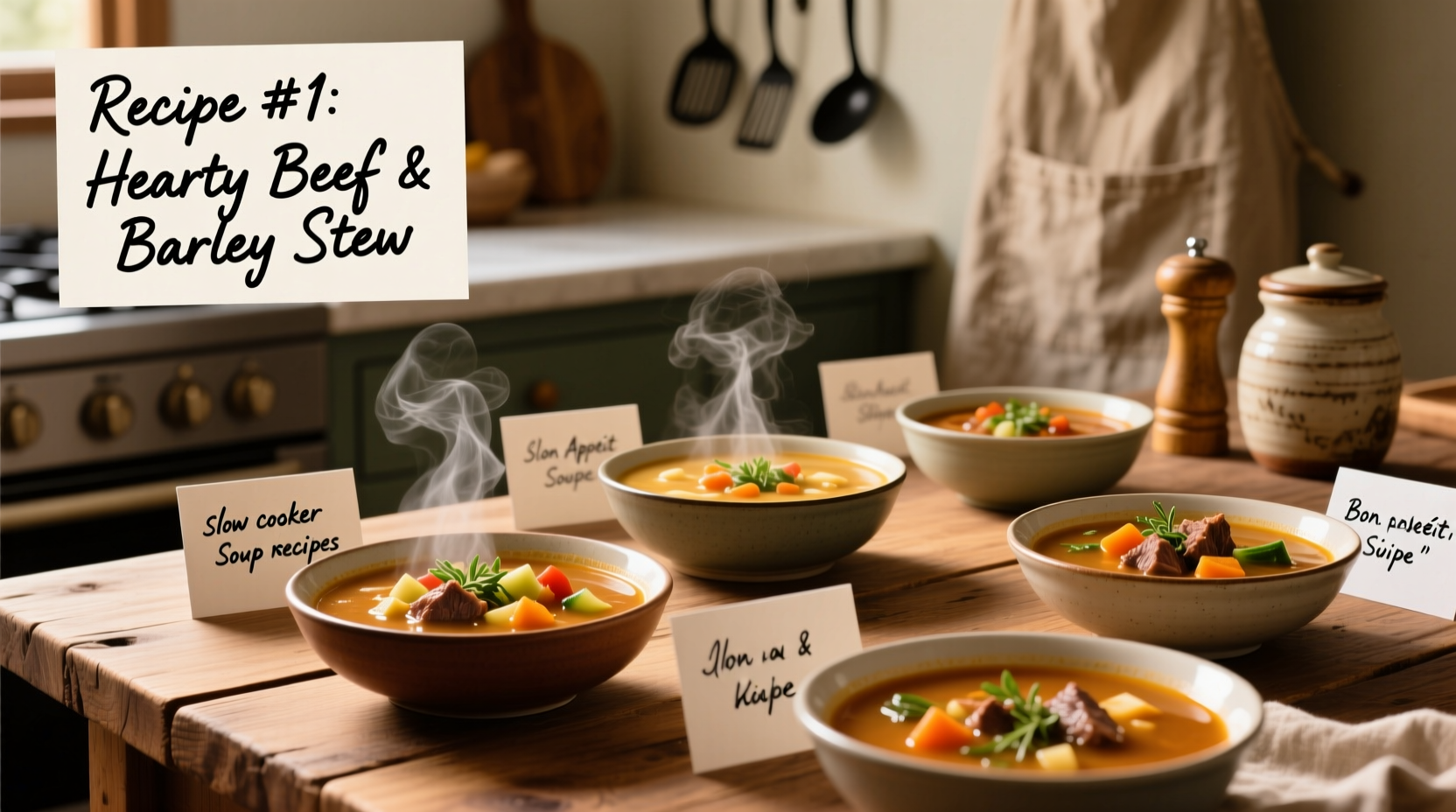
Slow cooker soup refers to any soup or stew prepared using a countertop electric appliance designed for long, low-temperature cooking. These devices typically operate at two settings: low (around 190–200°F or 88–93°C) and high (200–212°F or 93–100°C), allowing food to simmer gently over 4 to 10 hours. Soups made in slow cookers benefit from extended extraction of collagen, gelatin, and aromatic compounds, resulting in rich, complex broths and tender ingredients. Unlike pressure cookers, which use steam and high pressure for speed, slow cookers emphasize time as a flavor-building agent.
The category includes a broad spectrum of global dishes—from American chili and French onion soup to Indian lentil dals and Japanese tonjiru—unified by their compatibility with unattended cooking. Most slow cooker soups begin with layered raw ingredients; there is no need for pre-browning, though doing so enhances depth. The sealed environment minimizes evaporation, preserving moisture and concentrating taste gradually. This method excels with fibrous vegetables, tough cuts of meat, dried legumes, and grains, all of which soften and absorb surrounding flavors over time.
Key Characteristics of Slow Cooker Soups
- Flavor profile: Deep, rounded, and well-integrated due to prolonged simmering.
- Texture: Tender proteins, soft vegetables, and thickened broths achieved naturally through reduction and starch release.
- Aroma: Rich and inviting, especially after 6+ hours of cooking, with notes of herbs, spices, and caramelized elements.
- Heat level: Typically mild to medium; spices mellow over time, reducing sharpness.
- Cooking time: Ranges from 4 hours on high to 10 hours on low, depending on ingredients.
- Nutritional value: High in bioavailable nutrients, particularly when bone-in meats or mineral-rich vegetables are used.
- Shelf life: Most soups keep 4–5 days refrigerated or up to 3 months frozen, often improving after reheating.
Practical Usage: How to Make Exceptional Slow Cooker Soups
The foundation of a great slow cooker soup lies in ingredient layering and timing. While the appliance forgives minor errors, strategic choices elevate results. Begin by selecting a base: broth, stock, water with bouillon, or even coconut milk for creamier profiles. Add dense vegetables (carrots, potatoes, turnips) first, followed by proteins and legumes. Delicate items like leafy greens, pasta, or dairy should be added in the final 30 minutes to prevent overcooking.
For optimal flavor, brown meats and sauté aromatics (onions, garlic, celery) before transferring to the slow cooker. Though optional, this Maillard reaction adds significant complexity. Layering ingredients matters: place heavier, denser components at the bottom where heat concentrates, and lighter ones on top. Avoid overfilling; leave at least 1 inch of space below the rim to prevent boil-over and ensure even heat distribution.
Seasoning requires foresight. Salt can intensify during long cooking, so start conservatively and adjust at the end. Whole herbs (thyme, rosemary, bay leaves) withstand long cooking better than delicate chopped herbs, which should be stirred in at serving. Acids like lemon juice, vinegar, or tomato paste brighten finished soups but lose vibrancy if added too early; incorporate them in the last hour.
Pro Tip: Use a removable ceramic insert for easier browning. Sear meat and sauté vegetables directly in the pot on the stove, then reattach to the base for slow cooking. This eliminates extra dishes and maximizes fond development.
Top Slow Cooker Soup Recipes
1. Classic Beef Stew with Red Wine
Diced chuck roast, carrots, onions, and pearl onions browned in olive oil form the base. Deglaze the pot with ½ cup dry red wine before adding to the slow cooker. Include diced tomatoes, garlic, thyme, bay leaf, and enough beef broth to cover. Cook on low for 8 hours. Add frozen peas in the last 30 minutes. Finish with parsley and a splash of balsamic vinegar.
2. Chicken Noodle Soup (No Pre-Cooking)
Whole chicken breasts or thighs, skin-on for flavor, go directly into the pot with sliced carrots, celery, onions, garlic, and bay leaves. Cover with chicken broth and water. Cook on low 6–7 hours. Shred meat upon removal, discard skin and bones, then return meat to the pot. Stir in egg noodles during the final hour to prevent mushiness. Season with salt, pepper, and fresh dill.
3. Lentil and Sausage Soup
Brown Italian sausage (mild or spicy) with onions and fennel. Transfer to slow cooker with rinsed green or brown lentils, diced tomatoes, garlic, cumin, smoked paprika, and vegetable broth. Cook on low 7–8 hours. Stir in chopped kale 30 minutes before serving. A squeeze of lemon just before serving lifts the earthy notes.
4. Creamy Tomato Basil Soup
Use canned whole tomatoes (San Marzano preferred), onion, garlic, sugar, basil sprigs, and a pinch of red pepper flakes. Cook on low 6 hours. Blend until smooth using an immersion blender. Stir in heavy cream or coconut milk at the end. Serve with grilled cheese croutons.
5. Minestrone with Beans and Pasta
Combine cannellini beans (soaked overnight if dried), diced zucchini, carrots, celery, onion, garlic, tomatoes, spinach, oregano, and Parmesan rind (for umami). Add vegetable broth and cook on low 7 hours. Add small pasta (ditalini or elbow) in the last 45 minutes. Garnish with grated Parmesan and fresh basil.
6. Thai Coconut Chicken Soup (Tom Kha Gai Style)
Chicken thighs, lemongrass (bruised), galangal or ginger, kaffir lime leaves, mushrooms, and fish sauce go into the pot. Cover with coconut milk and light broth. Cook on low 5 hours. Add lime juice, cilantro, and a dash of chili oil before serving. Serve over rice noodles if desired.
Variants & Types of Slow Cooker Soups
Soups vary widely based on cultural traditions, dietary needs, and seasonal availability. Recognizing key categories helps in planning and customization:
- Broth-based: Light, clear soups such as chicken noodle or miso-style. Ideal for digestion and low-calorie diets.
- Cream-based: Thickened with dairy, coconut milk, or pureed vegetables (e.g., potato leek). Require careful handling of dairy at the end.
- Legume-based: Centered on beans, lentils, or split peas. High in fiber and plant protein; often vegetarian or vegan.
- Grain-based: Include barley, rice, quinoa, or pasta. Add heartiness and texture; monitor cooking time to avoid mush.
- Meat-and-potatoes: Hearty stews like beef burgundy or lamb navarin. Best with marbled cuts that break down over time.
- Vegetable-forward: Focused on seasonal produce, such as roasted squash or garden minestrone. Can be adapted for vegan diets.
| Soup Type | Protein/Legume Used | Low Setting | High Setting | Add-Ins (Final Hour) |
|---|---|---|---|---|
| Beef Stew | Chuck roast, marrow bones | 8–10 hours | 5–6 hours | Peas, parsley |
| Chicken Soup | Breasts, thighs | 6–7 hours | 4 hours | Noodles, dill |
| Lentil Soup | Green/brown lentils | 7–8 hours | 5–6 hours | Kale, lemon juice |
| Cream of Tomato | None (vegetarian) | 6 hours | 4 hours | Cream, basil |
| Minestrone | Cannellini beans | 7 hours | 5 hours | Pasta, Parmesan |
Comparison with Similar Cooking Methods
While other appliances can replicate aspects of slow cooking, each has trade-offs:
| Feature | Slow Cooker | Pressure Cooker (Instant Pot) | Stovetop |
|---|---|---|---|
| Time Required | 6–10 hours | 30–60 minutes | 1–3 hours |
| Active Time | 15–20 minutes prep | 20–30 minutes | Continuous attention |
| Flavor Development | Gradual, deep melding | Rapid extraction, slightly sharper | Controlled, customizable |
| Safety & Convenience | Unattended safe | Requires monitoring | Not safe unattended |
| Best For | Meal prep, tough cuts, legumes | Quick meals, dried beans | Delicate reductions, roux-based soups |
\"The slow cooker doesn’t just cook food—it transforms it. Time becomes an ingredient, coaxing out layers of flavor you simply can’t rush.\" — Chef Elena Rodriguez, Culinary Instructor, Institute of Sustainable Cuisine
Practical Tips & FAQs
Can I put raw meat directly into the slow cooker?
Yes. Raw meats—including chicken, beef, pork, and lamb—are safe to cook from cold in a slow cooker. However, browning first enhances flavor through the Maillard reaction and removes excess fat. Ground meats should always be browned and drained prior to adding to prevent greasiness.
Do I need to add liquid? How much?
Yes, but do not overfill. The slow cooker needs moisture to generate steam and conduct heat. Fill between half and two-thirds full. As a rule, liquids reduce less than on the stovetop, so start with slightly less than a conventional recipe suggests. Broth, wine, tomato juice, or water all work depending on the dish.
How do I prevent watery soup?
Limit added water and avoid high-moisture vegetables (like zucchini) in excess. If the soup is too thin at the end, remove the lid and switch to high for 30–60 minutes to encourage evaporation. Alternatively, blend part of the soup and stir it back in for natural thickening.
Can I cook pasta and rice in the slow cooker?
Only in the final 30–60 minutes. Otherwise, they absorb too much liquid and become mushy. For meal prep, cook grains separately and add when reheating individual portions.
Is it safe to leave a slow cooker unattended?
Yes, modern models are designed for long-term use. Ensure the unit is on a stable, heat-resistant surface, away from flammable materials. Never use a cracked insert or damaged cord. Always follow manufacturer guidelines.
How should I store and reheat leftovers?
Cool soup within 2 hours of cooking. Store in airtight containers for up to 5 days in the refrigerator or freeze in portion-sized containers for up to 3 months. Reheat gently on the stove or in the microwave, stirring occasionally. Add a splash of broth if needed to restore consistency.
What are the best substitutions for common allergens?
- Dairy-free: Use coconut milk, cashew cream, or oat milk instead of heavy cream.
- Gluten-free: Replace wheat-based pasta with rice noodles, quinoa, or gluten-free pasta. Use cornstarch or arrowroot as thickener.
- Meat-free: Substitute mushrooms, lentils, tofu, or tempeh for animal proteins.
Summary & Key Takeaways
Slow cooker soups offer unmatched convenience and flavor depth, making them essential for modern home cooking. By leveraging time instead of constant attention, these recipes transform humble ingredients into nourishing meals with minimal effort. Success hinges on understanding ingredient behavior over long durations: brown meats for richness, layer dense vegetables first, and add delicate components near the end. Whether preparing a rustic lentil stew or a fragrant coconut chicken soup, the slow cooker adapts to diverse cuisines and dietary needs.
The versatility of this method supports batch cooking, freezer storage, and dietary customization—critical for families and individuals managing time or health concerns. Compared to faster alternatives, slow cooking develops a unique depth that cannot be rushed. With proper technique, even novice cooks can produce restaurant-worthy soups consistently.
Final Recommendation: Start with one of the foundational recipes—beef stew or chicken noodle—and master timing and seasoning. Once comfortable, experiment with global flavors like Moroccan harira or Korean doenjang jjigae. Keep a log of adjustments to refine future batches. The slow cooker isn’t just an appliance; it’s a pathway to sustainable, flavorful eating.




 浙公网安备
33010002000092号
浙公网安备
33010002000092号 浙B2-20120091-4
Comments
No comments yet. Why don't you start the discussion?