
Sometimes, a simple “It’ll get better!” or “Just stay positive!” is meant as comfort. But for someone in emotional pain, these words can feel dismissive—even damaging. What starts as encouragement can quickly cross into toxic positivity: the overemphasis on maintaining a positive mindset at the expense of acknowledging real, valid emotions. Understanding where optimism ends and toxic positivity begins is crucial for meaningful emotional support.
While genuine optimism fosters resilience, toxic positivity suppresses authentic feelings, often making people feel isolated or guilty for struggling. The line between the two isn’t always clear, but recognizing it can transform how we show up for others—and ourselves—during difficult times.
The Difference Between Optimism and Toxic Positivity
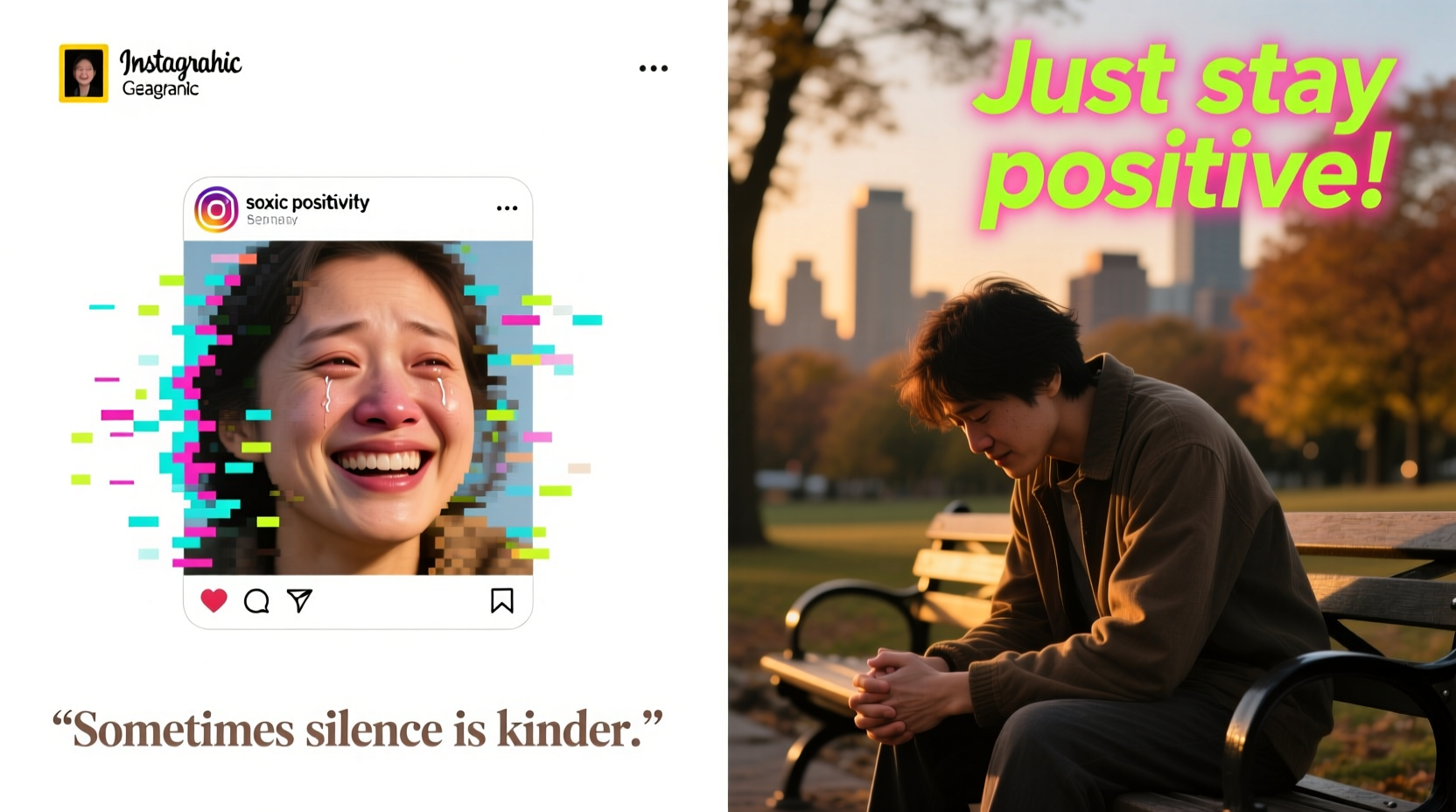
Optimism and toxic positivity may appear similar on the surface—one focuses on hope, the other on enforced cheerfulness—but their core intentions and impacts differ significantly.
Healthy optimism acknowledges hardship while holding space for hope. It doesn’t deny pain; instead, it suggests that pain is not the final chapter. A truly optimistic response might be: “This is really hard right now, and I believe you have the strength to get through it.” This validates the struggle while offering quiet confidence in the person’s ability to endure.
Toxic positivity, by contrast, invalidates emotion under the guise of encouragement. Phrases like “Look on the bright side,” “Everything happens for a reason,” or “Don’t cry, be happy” shut down emotional expression. They imply that sadness, anger, or frustration are unacceptable or weak. Over time, this can lead individuals to internalize shame about their natural reactions to loss, stress, or trauma.
When Cheerfulness Backfires: The Hidden Harm of Forced Positivity
There’s a cultural expectation, especially in Western societies, to remain upbeat and resilient. Social media amplifies this pressure with curated highlight reels of happiness, success, and gratitude. While cultivating gratitude is beneficial, insisting on positivity in every situation creates emotional dissonance.
Consider a friend who has just lost their job. Responding with “Now you can finally start that business you’ve always wanted!” might come from a place of encouragement. But if said before the person has had a chance to process grief, fear, or uncertainty, it bypasses their emotional reality. The message received isn’t support—it’s a demand to perform recovery before healing has begun.
Psychological research supports this concern. According to Dr. Susan David, psychologist and author of *Emotional Agility*, “Suppressing difficult emotions increases stress, reduces cognitive function, and undermines long-term resilience.” When people feel they must mask their true feelings to avoid judgment, they disconnect from themselves and others.
“Emotions are data, not directives. When we label and accept our emotions, we gain clarity and courage. When we deny them, we lose both.” — Dr. Susan David, Harvard Medical School
Forced cheerfulness also damages relationships. People remember not what was said, but how they felt in the interaction. Being told to “stay positive” during grief can leave someone feeling invisible. Over time, they may stop sharing their struggles altogether.
Recognizing Toxic Positivity: Common Phrases and Their Impact
Certain phrases, though well-intentioned, frequently signal toxic positivity. Recognizing them helps us respond with empathy instead of platitudes.
| Common Phrase | What It Implies | Healthier Alternative |
|---|---|---|
| “Everything happens for a reason.” | Your pain is justified by some unseen plan. | “I don’t know why this happened, but I’m here for you.” |
| “Just think positive!” | Negative emotions are failures. | “It’s okay to feel whatever you’re feeling right now.” |
| “Others have it worse.” | Your pain isn’t valid. | “Your feelings make sense given what you’ve been through.” |
| “Cheer up—it’s not that bad!” | Your reaction is an overreaction. | “I can see this really hurts you. Want to talk about it?” |
| “Be grateful for what you have.” | Gratitude should replace grief. | “Even in hard times, small moments matter. I’m here for those too.” |
The key isn’t avoiding optimism altogether, but timing it appropriately. Hope becomes harmful when it’s used to prematurely close emotional conversations. Support is most effective when it follows validation, not replaces it.
A Real-Life Example: When Encouragement Missed the Mark
Lena, a project manager, returned to work two weeks after her father’s sudden passing. Her team, wanting to be supportive, greeted her with smiles and comments like, “So great to have you back! Time to focus on the positive!” One colleague added, “He’s in a better place—now you can cherish the good memories.”
Rather than feeling comforted, Lena felt pressured to perform normalcy. She didn’t feel ready to “move on,” nor did she want to. The unspoken rule seemed to be: grieve quietly, recover quickly, and never let it affect productivity. She began skipping team check-ins, fearing further emotional dismissal.
It wasn’t until her manager privately asked, “How are you *really* doing?” and sat in silence with her as she cried, that Lena felt seen. That moment of shared humanity mattered more than any motivational quote.
This case illustrates how organizational or social cultures that prioritize positivity over psychological safety can alienate individuals in distress. Authentic connection doesn’t require fixing—it requires witnessing.
Building Emotional Resilience Without Toxic Positivity
True emotional resilience isn’t built by denying pain but by navigating it with support and self-awareness. Here’s how to foster optimism without crossing into toxicity:
- Practice emotional validation first. Acknowledge the difficulty before introducing hope. “That sounds overwhelming” opens doors; “Just stay strong” closes them.
- Allow space for mixed emotions. People can feel grief and gratitude simultaneously. You don’t need to choose one emotion over another.
- Use hopeful language cautiously. Instead of “It’ll all work out,” try “I don’t know how this will unfold, but I believe in your ability to handle it.”
- Model vulnerability. Sharing your own struggles (appropriately) gives others permission to do the same.
- Ask open-ended questions. “What do you need right now?” is more powerful than assuming encouragement means optimism.
Checklist: How to Respond Supportively (Without Toxic Positivity)
- ✅ Listen without rushing to fix.
- ✅ Name the emotion you hear: “That sounds frustrating,” or “You must feel so disappointed.”
- ✅ Avoid comparisons: Don’t say “At least…” or “Others have it worse.”
- ✅ Offer presence, not solutions: “I’m here,” not “Here’s what you should do.”
- ✅ Respect silence: Not every moment needs filling with words.
- ✅ Follow their lead: If they want distraction, offer light conversation. If they want to vent, listen.
FAQ: Common Questions About Toxic Positivity and Optimism
Is all positivity harmful?
No. Positivity becomes toxic only when it invalidates authentic emotions. Healthy positivity coexists with sadness, anger, and fear. It doesn’t replace them but emerges alongside them over time. Choosing to focus on small joys during hardship is different from being told you *must* feel joyful.
How do I support someone without being overly positive?
Start by listening deeply. Use reflective statements like “That sounds really painful” or “I can’t imagine how hard this is.” Ask, “Do you want advice, distraction, or just someone to listen?” Let their answer guide your response. Sometimes, sitting in shared silence is the most profound form of support.
Can toxic positivity affect mental health?
Yes. Chronic exposure to toxic positivity can lead to emotional suppression, increased anxiety, and diminished self-worth. People may begin to believe their natural emotional responses are flaws. In therapy settings, this phenomenon is sometimes called “emotional gaslighting”—making someone doubt their own feelings.
Conclusion: Rethinking Support in a Culture of Forced Happiness
We live in a world that often equates strength with stoicism and healing with speed. But real emotional growth doesn’t follow a timeline, nor does it thrive under the weight of forced smiles. The kindest thing we can offer someone in pain isn’t a pep talk—it’s permission to feel.
Optimism, when rooted in empathy and patience, can be a gentle companion on the road to healing. But when it silences sorrow, it becomes part of the problem. Moving forward, let’s shift from “cheering up” to “showing up.” Let’s replace platitudes with presence, and quick fixes with deep listening.
Support isn’t about making people feel better immediately. It’s about letting them know they’re not alone, exactly as they are. That kind of acceptance doesn’t backfire—it heals.




 浙公网安备
33010002000092号
浙公网安备
33010002000092号 浙B2-20120091-4
Comments
No comments yet. Why don't you start the discussion?