
The bedroom should be more than just a place to sleep—it should serve as a sanctuary for rest, reflection, and emotional renewal. In today’s fast-paced world, creating a space that supports mental clarity and relaxation is essential. One of the most effective yet underutilized tools in interior design for achieving this is the tapestry. Far from being mere wall decor, tapestries can transform the energy of a room by introducing texture, color psychology, and visual softness that promote tranquility. When thoughtfully chosen and placed, they become powerful elements in crafting a serene personal retreat.
Why Tapestries Work: The Psychology of Soft Surfaces
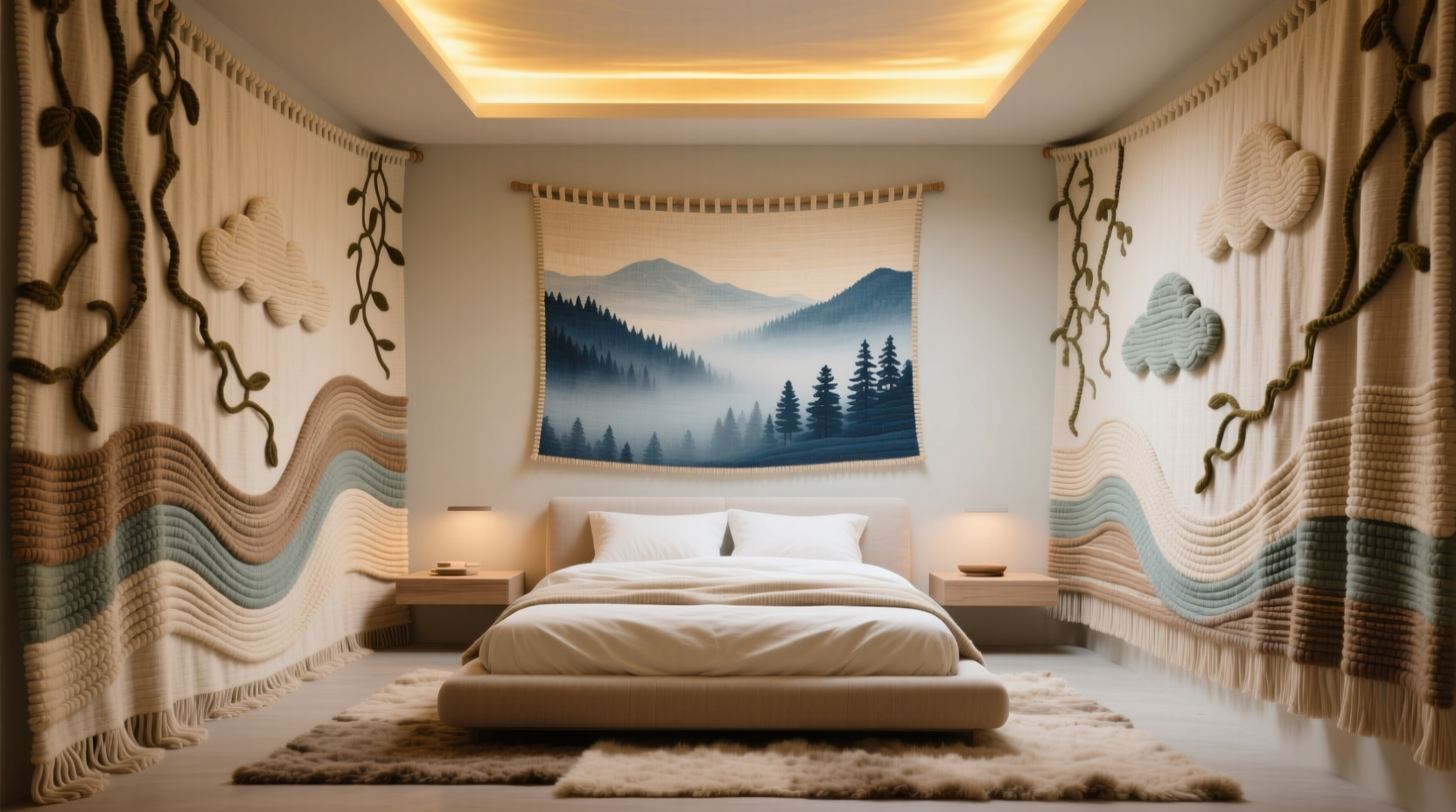
Unlike hard surfaces such as paint or wallpaper, fabric absorbs sound, reduces echo, and adds warmth to a room. This acoustic dampening effect contributes to a quieter, more peaceful environment—critical for restful sleep and stress reduction. According to Dr. Lena Torres, an environmental psychologist specializing in residential spaces:
“Soft textiles like tapestries engage our senses on a subconscious level. They signal safety and comfort, triggering a parasympathetic response that helps the body relax.” — Dr. Lena Torres, Environmental Psychologist
Tapestries also provide a canvas for meaningful imagery—nature scenes, mandalas, abstract gradients—that can influence mood. For instance, images of forests or oceans activate the brain’s default mode network, associated with calm introspection. Choosing designs that resonate personally enhances their psychological impact.
Selecting the Right Tapestry for a Calming Effect
Not all tapestries contribute equally to a relaxing atmosphere. The key lies in intentional selection based on color, material, size, and theme.
Color Psychology: Cool tones such as soft blues, sage greens, lavender, and warm grays are proven to reduce heart rate and anxiety levels. Avoid high-contrast patterns or neon hues unless used minimally as accents.
Design Themes That Soothe:
- Nature-inspired motifs (forests, mountains, waterfalls)
- Meditative symbols (lotus flowers, mandalas, Zen gardens)
- Ambient gradients (sunrise skies, twilight horizons)
- Minimalist line art (subtle forms, negative space)
Size matters too. A tapestry that fills 60–75% of the wall behind your bed creates a focal point without overwhelming the space. Measure your wall before purchasing to ensure proportionality.
Step-by-Step Guide: Installing Your Tapestry for Maximum Impact
Proper placement amplifies the calming effect. Follow this sequence to integrate your tapestry effectively:
- Determine the focal wall: Typically the one behind your bed. This anchors the room visually.
- Clean and prep the wall: Dust and wipe down the surface to prevent dirt from transferring to the fabric.
- Measure and mark placement: Use a tape measure and pencil to outline where the top corners will go. Ensure it’s centered relative to the bed.
- Choose hanging method:
- Adhesive hooks (for lightweight tapestries)
- Wooden dowel rod with picture wire (most secure and elegant)
- Fabric clips on a tension rod (renter-friendly)
- Hang and adjust: Step back frequently to check alignment. Make sure the bottom hangs evenly and doesn’t touch the floor to avoid dust accumulation.
- Layer lighting: Install soft ambient lights nearby—such as a dimmable bedside lamp or LED strip—to cast gentle shadows and highlight texture.
Do’s and Don’ts: Common Mistakes to Avoid
| Do’s | Don’ts |
|---|---|
| Choose breathable, non-toxic materials | Use plastic-backed or vinyl-coated fabrics |
| Align the tapestry with your bed’s centerline | Hang it too high or off-center |
| Pair with plants or wooden furniture for harmony | Clutter the space with too many competing textures |
| Vacuum gently with a brush attachment monthly | Wash in a machine unless specified by manufacturer |
| Use tapestries to cover cold or noisy walls | Install near open windows where UV rays cause fading |
Real-Life Example: From Chaotic to Calm – Maya’s Bedroom Transformation
Maya, a freelance graphic designer from Portland, struggled with insomnia and mental fatigue after long workdays. Her bedroom had bare white walls, fluorescent overhead lighting, and a cluttered aesthetic that mirrored her stress. After consulting with an interior wellness coach, she introduced a large cotton tapestry featuring a misty forest at dawn, hung directly behind her bed.
She paired it with warm string lights draped above the headboard and replaced harsh bulbs with 2700K LEDs. Within two weeks, she reported falling asleep 30 minutes faster and waking up less frequently at night. “It’s like my room finally feels like a hug,” she said. “I look at that forest every night, and my mind slows down naturally.”
This case illustrates how a single well-chosen textile, integrated mindfully, can shift the entire tone of a personal space.
Enhancing the Atmosphere: Pairing Tapestries with Other Relaxation Elements
A tapestry works best as part of a holistic approach to bedroom wellness. Consider these complementary strategies:
- Scent: Introduce calming essential oils like lavender, cedarwood, or chamomile via a diffuser or linen spray.
- Sound: Use a white noise machine or nature sound app to mask disruptive noises.
- Bedding: Choose organic cotton or bamboo sheets in neutral tones to maintain visual continuity.
- Declutter: Keep nightstands clear of electronics and paperwork to support mental stillness.
The goal is sensory harmony. When sight (tapestry), touch (soft fabrics), smell (aromatherapy), and sound (quiet ambiance) align, the brain receives consistent signals to relax.
Frequently Asked Questions
Can I use a tapestry in a small bedroom?
Absolutely. In fact, a well-placed tapestry can make a small room feel larger and more intentional. Stick to lighter colors and avoid overly busy patterns. A vertical landscape or upward-flowing design can create the illusion of height.
How do I clean a bedroom tapestry without damaging it?
Most tapestries should not be machine washed. Instead, vacuum gently with a low-suction setting and a brush attachment. For spot cleaning, use a microfiber cloth dampened with water and mild soap. Always air dry flat—never wring or hang when wet. Check the care label first if available.
Are tapestries safe for people with allergies?
Natural fiber tapestries are generally hypoallergenic, but they can collect dust over time. Regular vacuuming and maintaining low humidity in the bedroom (ideally 30–50%) help prevent allergen buildup. If you have severe sensitivities, consider washable cotton options or rotating tapestries seasonally.
Final Thoughts: Begin Your Retreat Today
Your bedroom doesn’t need a full renovation to become a haven. Sometimes, the most profound changes come from a single thoughtful addition. A calming tapestry is more than decor—it’s an invitation to slow down, reconnect with yourself, and prioritize peace in your daily life. By choosing the right design, installing it with intention, and pairing it with other soothing elements, you create an environment that supports not just sleep, but emotional well-being.




 浙公网安备
33010002000092号
浙公网安备
33010002000092号 浙B2-20120091-4
Comments
No comments yet. Why don't you start the discussion?