
Pork, one of the most versatile meats in global cuisine, often suffers from a reputation for being dull or dry when improperly seasoned. Yet in skilled hands, it becomes a canvas for bold, aromatic transformation. The difference between forgettable roast pork and an unforgettable adobo, between a bland chop and a smoky, spiced carnitas, lies not in the cut—but in the spice. Understanding how to harness the power of spices can elevate even the humblest pork shoulder into something extraordinary. This guide explores the science, art, and practical techniques behind transforming pork through spice, offering home cooks and culinary enthusiasts a roadmap to deeper flavor, complexity, and cultural authenticity.
Definition & Overview
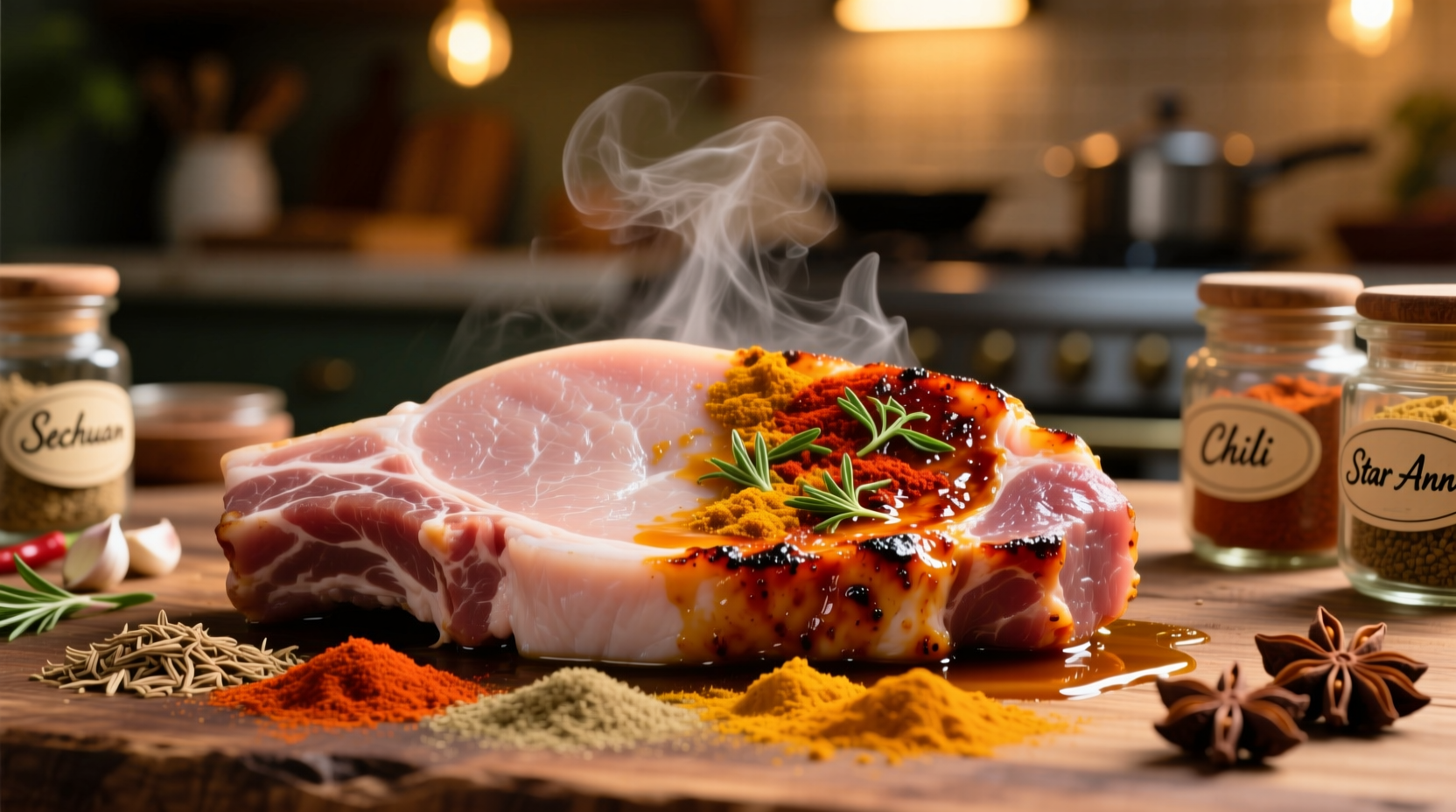
Pork refers to meat derived from domesticated pigs (*Sus scrofa domesticus*), consumed worldwide in countless forms—from fresh chops and roasts to cured products like bacon and ham. While pork has a naturally mild, slightly sweet flavor and rich fat content, it lacks inherent pungency or depth, making it uniquely receptive to seasoning. This neutrality is not a flaw—it's an opportunity. When paired with the right spices, pork absorbs and amplifies flavors, creating dishes that are layered, balanced, and deeply satisfying.
Spices—dried seeds, roots, bark, or fruits used to flavor food—interact with pork’s fat and protein to unlock new dimensions. Unlike herbs, which are typically fresh and aromatic, spices offer concentrated heat, earthiness, sweetness, or bitterness. Used thoughtfully, they can balance pork’s richness, cut through fattiness, add warmth, or introduce exotic notes drawn from global traditions. The transformation begins not at the stove, but in understanding how individual spices behave under heat, how they complement pork’s structure, and how they layer within a dish.
Key Characteristics of Spices in Pork Preparation
The effectiveness of a spice in transforming pork depends on its sensory and chemical properties. Below is a breakdown of essential characteristics that determine how a spice will influence the final dish:
| Characteristic | Description |
|---|---|
| Flavor Profile | Defines whether the spice is warm (cinnamon), pungent (black pepper), earthy (cumin), sweet (allspice), or floral (cardamom). |
| Aroma | Volatile compounds released when heated; critical for building appetite appeal (e.g., toasted coriander seeds). |
| Heat Level | Ranges from none (turmeric) to intense (cayenne); measured in Scoville units for chiles. |
| Culinary Function | Whether the spice enhances browning (paprika), tenderizes (pineapple-derived bromelain in marinades), or preserves (cloves). |
| Solubility | Oil-soluble spices (like cumin) bloom best in fat; water-soluble ones (such as ginger) infuse well in brines. |
| Shelf Life | Ground spices lose potency in 6–12 months; whole spices retain flavor for up to 3 years if stored properly. |
These characteristics dictate not only which spices work with pork but also how and when to apply them. For example, blooming whole cumin seeds in oil before adding pork releases far more flavor than stirring ground cumin into a stew at the end.
Practical Usage: How to Use Spices to Transform Pork
The journey from bland to brilliant hinges on technique. Spices must be applied strategically—considering timing, form, quantity, and synergy with other ingredients.
Dry Rubs: Building Flavor from the Surface
Dry rubs are among the most effective methods for transforming pork, especially for cuts like ribs, shoulder, or loin. A well-formulated rub adheres to the surface, forming a flavorful crust during cooking while slowly infusing the outer layers.
A classic Southern-style pork rub might include:
- 3 tablespoons brown sugar (for caramelization)
- 2 tablespoons smoked paprika (for color and smokiness)
- 1 tablespoon garlic powder
- 1 tablespoon onion powder
- 1 tablespoon black pepper
- 1 teaspoon cayenne (adjustable for heat)
- 1 teaspoon mustard powder (adds tang and aids adhesion)
- 1 teaspoon ground cumin
- Salt to taste (typically 1–2 tablespoons per cup of rub)
Apply the rub generously to room-temperature pork at least 12 hours before cooking—ideally 24—to allow time for flavor penetration. Refrigerate uncovered to dry the surface, promoting better sear and bark formation.
Marinades: Deep Infusion Through Liquid Mediums
Marinades combine acid (vinegar, citrus, yogurt), oil, and spices to tenderize and flavor pork. The acid breaks down muscle fibers, allowing spices to penetrate deeper.
An Indian-inspired tandoori marinade uses:
- Yogurt (tenderizer and carrier)
- Fresh ginger-garlic paste
- Lemon juice
- Ground coriander, cumin, turmeric, garam masala
- Kashmiri red chili powder (for color without extreme heat)
Marinate boneless pork cubes for 4–8 hours (no longer than 12 for acidic marinades to avoid mushiness). Grill or broil for charred edges and aromatic intensity.
Braising Liquids and Spice Blooms
For slow-cooked dishes like carnitas, pulled pork, or Filipino pork adobo, spices are best \"bloomed\" in fat before liquid is added. Heat unlocks essential oils, deepening flavor.
Technique:
- Heat oil or rendered pork fat in a heavy pot.
- Add whole spices (mustard seeds, cloves, cinnamon stick) and toast 30–60 seconds until fragrant.
- Incorporate ground spices (chili powder, cumin) and stir 15–20 seconds to prevent burning.
- Add aromatics (onion, garlic, ginger) to build base flavor.
- Introduce pork and sear before adding liquid (broth, coconut milk, vinegar).
This method ensures spices are fully activated, avoiding raw or dusty aftertastes.
Pro Tip: Always toast whole spices before grinding for maximum aroma. A cast-iron skillet over medium heat, shaken frequently, takes 2–3 minutes. Cool before grinding in a dedicated spice mill or mortar and pestle.
Finishing Spices and Layered Aromatics
Not all spices should be cooked. Some delicate notes are best added at the end. Toasted sesame oil, freshly cracked pepper, or a dusting of smoked paprika post-cooking can lift a dish dramatically. In Vietnamese *thit kho*, a slow-braised pork dish, black pepper is stirred in just before serving to preserve its sharp bite.
Variants & Types of Spices for Pork
Spices come in multiple forms, each suited to different applications. Choosing the right type affects both convenience and quality.
| Type | Best For | Examples |
|---|---|---|
| Whole Spices | Long cooking, blooming, infusions | Cloves, cinnamon sticks, black cardamom, Sichuan peppercorns |
| Ground Spices | Dry rubs, quick sautés, marinades | Paprika, cumin, turmeric, chili powder |
| Fresh Aromatics | Marinades, pastes, stir-fries | Fresh ginger, garlic, galangal, lemongrass |
| Pre-Made Blends | Convenience, consistent flavor | Garam masala, Chinese five-spice, jerk seasoning, ras el hanout |
| Fermented/Preserved | Umami depth, tang, complexity | Fermented black beans, gochujang, miso |
While pre-ground spices offer ease, whole spices provide superior shelf life and freshness. For critical dishes, grinding your own—even in small batches—makes a measurable difference.
Comparison with Similar Ingredients
Many cooks confuse spices with herbs or seasoning blends. Understanding distinctions ensures proper use.
| Ingredient | Key Differences | Best With Pork? |
|---|---|---|
| Herbs (rosemary, thyme, sage) | Fresh or dried leaves; more volatile, floral, or grassy; best added late or used sparingly in long cooks. | Yes—especially with roasted pork. Sage and pork are a classic pairing. |
| Seasoning Salts (e.g., garlic salt) | Pre-mixed with salt; risk of over-salting; less control over ratios. | Use cautiously. Better to mix your own with pure spices and kosher salt. |
| Pepper (black vs. white vs. Sichuan) | Black pepper: pungent, floral; white: sharper, earthier; Sichuan: citrusy, numbing. Not interchangeable. | All work—choose based on cuisine. Sichuan pepper in mapo-style pork. |
| Chili Flakes vs. Chili Powder | Flakes are coarsely ground dried chiles; powders may include additives or other spices (e.g., cayenne vs. ancho). | Flakes for texture and heat; pure powders for even dispersion. |
Another common confusion: using curry powder generically. “Curry” is not a single spice but a blend that varies by region. A Thai green curry paste differs vastly from an Indian Madras blend. Match the spice profile to the dish’s origin for authenticity.
Practical Tips & FAQs
How much spice should I use on pork?
A general rule: for a 3–4 lb (1.4–1.8 kg) pork roast, use 1–2 tablespoons of total ground spices in a rub or marinade. Adjust upward for larger cuts or stronger preferences. Always taste-test rubs (without salt) by dissolving a pinch in hot water.
Can I use the same spice blend for different cuts?
Yes, but adapt application. A coffee-chipotle rub works on both tenderloin and shoulder, but the shoulder benefits from longer marination and slow cooking to absorb deeper flavor.
What are the best spices for fatty pork cuts like belly or shoulder?
Acidic or pungent spices cut through fat: smoked paprika, fennel seed, star anise, ginger, mustard seed. Bright herbs like orange zest or cilantro stem also help balance richness.
How do I store spices to maintain potency?
Keep in airtight containers, away from light, heat, and moisture. Avoid storing above the stove. Label with purchase date. Whole spices last 2–3 years; ground, 6–12 months. Test potency by rubbing a pinch between fingers and inhaling—if aroma is faint, replace.
Are there health benefits to spicing pork?
Many spices offer anti-inflammatory (turmeric), antimicrobial (clove, cinnamon), and digestive (ginger, fennel) properties. While not medicinal substitutes, their inclusion supports holistic eating patterns.
Can I substitute fresh spices for dried?
Generally, use three times the amount of fresh herb for dried spice—but this doesn’t apply to potent dried spices like cayenne or cloves. Fresh ginger can replace ground, but not vice versa in equal measure. Adjust to taste.
Why does my spiced pork taste bitter?
Bitterness usually results from burned spices. Ground spices scorched in hot oil develop acrid compounds. Always cook them briefly—15–30 seconds—and stir constantly. If using dark sugars in rubs, ensure indirect heat to prevent charring.
Storage Checklist:
✓ Use glass or metal containers with tight lids
✓ Store in a cool, dark pantry
✓ Keep away from rice, flour, or onions (moisture sources)
✓ Rotate stock: “First in, first out”
✓ Refresh whole spices by toasting lightly before grinding
Case Study: Transforming a Basic Pork Shoulder
Consider a 5-lb pork shoulder, initially plain and unseasoned. Left untreated, roasting yields edible but uninspiring meat. Now apply a three-phase spice strategy:
- Brine (12 hours): 1 gallon water, 1 cup salt, 1/2 cup brown sugar, 1 tbsp black peppercorns, 2 crushed bay leaves, 1 cinnamon stick, 4 cloves. This seasons throughout and improves moisture retention.
- Dry Rub (post-brine, pre-smoke): Smoked paprika, garlic powder, onion powder, cumin, oregano, cayenne, salt, pepper. Applied after drying the surface overnight in the fridge.
- Braising Liquid (during cook): Apple cider, onions, crushed tomatoes, fresh thyme, and a star anise pod. Simmered low and slow for 8 hours.
The result? A pork shoulder layered with sweet, smoky, herbal, and subtly licorice-like notes—complex, moist, and deeply aromatic. Each phase contributed a stratum of flavor, demonstrating how spices, when used progressively, transform texture and taste.
“Spices are not decoration—they’re architecture. They build structure, rhythm, and surprise in a dish. With pork, you’re not masking the meat; you’re revealing its potential.” — Chef Elena Torres, James Beard Finalist for Best Chef: South
Summary & Key Takeaways
Pork’s mild character makes it ideal for spice-driven transformation. Success lies not in piling on heat, but in thoughtful layering, proper technique, and respect for each spice’s role. Whether using a dry rub, marinade, or bloomed spice base, the goal is harmony—balancing richness, acidity, heat, and aroma.
Key principles to remember:
- Always bloom whole or ground spices in fat to maximize flavor release.
- Match spice profiles to the cut: robust spices for fatty shoulders, lighter touches for tenderloins.
- Use time as a tool—marinate, brine, or rest seasoned pork to deepen penetration.
- Store spices properly to preserve potency; freshness directly impacts results.
- Combine global traditions thoughtfully: Chinese five-spice on grilled chops, North African ras el hanout in stews.
Ready to transform your next pork dish? Start with a simple rub: equal parts smoked paprika, brown sugar, garlic powder, and kosher salt. Apply to pork chops, let sit 2 hours, then sear or grill. Finish with a squeeze of lime and chopped cilantro. Taste the difference—this is how brilliance begins.




 浙公网安备
33010002000092号
浙公网安备
33010002000092号 浙B2-20120091-4
Comments
No comments yet. Why don't you start the discussion?