
In a modern minimalist home, every object serves a purpose—both functional and aesthetic. The holiday season introduces an inevitable challenge: how to incorporate festive traditions without disrupting the calm, clean lines and intentional simplicity that define this design philosophy. One of the most visible yet often overlooked elements is the tree skirt. Traditionally ornate or heavily patterned, many tree skirts clash with minimalist interiors, creating visual noise around an otherwise serene centerpiece.
The key lies not in eliminating tradition, but in reinterpreting it. A well-chosen tree skirt can ground your Christmas tree while harmonizing with your space—not competing with it. By focusing on material, form, color, and proportion, you can select or even create a tree skirt that feels like a natural extension of your decor, not a seasonal interruption.
Understanding Minimalist Aesthetic Principles
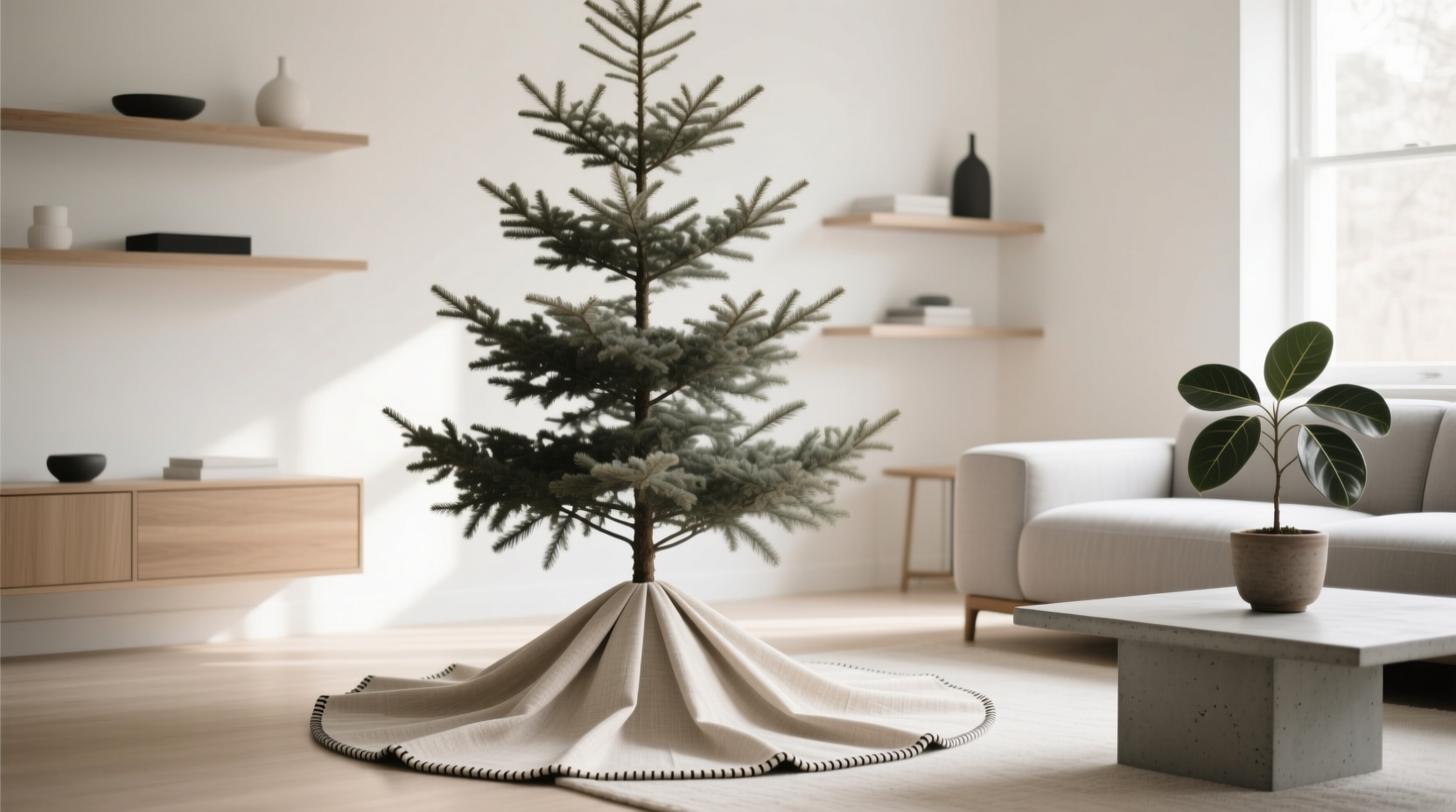
Minimalism isn’t just about owning less; it’s about curating more thoughtfully. Rooted in Scandinavian and Japanese design philosophies, modern minimalism emphasizes balance, negative space, and high-quality materials. Ornamentation is subdued, and color palettes are neutral—think warm whites, soft grays, earthy beiges, and muted blacks.
When applied to holiday decor, these principles suggest restraint. Instead of layering tinsel, garlands, and multiple layers of fabric under the tree, minimalism favors singular, intentional choices. The tree skirt becomes a grounding element—a base that supports rather than overwhelms.
According to interior designer Naomi Lin, “The tree skirt should act like the plinth of a sculpture. It draws attention to the beauty of the piece above without demanding focus itself.” This mindset shifts the role of the tree skirt from decorative flourish to structural harmony.
“The best minimalist holiday pieces don’t scream ‘seasonal’—they whisper elegance year after year.” — Naomi Lin, Interior Designer & Author of *Calm Spaces*
Top Tree Skirt Styles for Minimalist Interiors
Not all tree skirts are created equal—especially when integrating them into a minimalist space. Below are five standout styles that align with clean design principles while offering subtle seasonal charm.
1. Solid Neutral Fabric Skirts
A simple skirt in undyed linen, unbleached cotton, or wool felt offers texture without distraction. These materials age gracefully and avoid the artificial sheen common in synthetic fabrics. Choose a single shade—such as oat, charcoal, or ivory—that matches your room’s base palette.
Look for options with clean hems and no embellishments. A raw-edge linen skirt, for example, adds organic texture while maintaining visual lightness. These skirts work especially well with real trees, where the natural scent and needle drop feel more authentic against untreated textiles.
2. Geometric Cutouts in Natural Materials
For those who appreciate subtle detail, a tree skirt with a minimalist geometric border provides quiet interest. Think of a circular felt base with a laser-cut triangular or wave pattern along the edge. When lit from within by tree lights, these patterns cast delicate shadows, adding depth without physical bulk.
Materials matter here: wool blends or recycled felt hold crisp shapes better than flimsy fabrics. Avoid metallic trims or multi-colored stitching—these break the minimalist illusion.
3. Oversized Ceramic or Wood Ring Base
An emerging trend replaces fabric entirely with sculptural alternatives. A wide ceramic ring, hand-glazed in matte tones, or a smooth wooden disc placed beneath the tree mimics the function of a skirt while reading more like art. These are ideal for homes with low-profile trees or corner placements where traditional skirts might bunch awkwardly.
While not a “skirt” in the conventional sense, this approach fulfills the same role—defining the tree’s footprint—without introducing soft goods that attract dust or pet hair.
4. Layered Textile Discs in Monochrome Tones
For added dimension without clutter, consider a tiered design made from stacked fabric circles in varying diameters. Each layer uses the same material—perhaps undyed hemp—but differs slightly in size, creating a ripple effect. Because all components share the same hue and texture, the eye reads it as one cohesive unit rather than multiple pieces.
This style works particularly well in larger living areas where the tree needs visual anchoring. The layered effect subtly echoes natural forms—like tree rings or ripples in water—reinforcing biophilic design elements common in minimalist spaces.
5. DIY Woven Grass or Seagrass Mat
A repurposed natural fiber mat—such as seagrass, jute, or water hyacinth—can double as a tree skirt with remarkable success. These mats come in large rounds or squares and feature tight weaves that resist fraying. Their organic texture complements woodsy trees and handmade ornaments.
Bonus: they’re reusable beyond the holidays. After December, roll it up and use under a plant stand or entryway bench. This adaptability aligns perfectly with minimalist values of multifunctionality and sustainability.
Material Guide: What Works (and What Doesn’t)
The tactile quality of your tree skirt influences how it integrates into your space. Even if the shape is simple, the wrong material can make it feel out of place. Below is a comparison of suitable and unsuitable materials for minimalist settings.
| Recommended Materials | Why It Works | Materials to Avoid | Why It Clutters |
|---|---|---|---|
| Linen (undyed or plant-dyed) | Soft texture, ages naturally, breathable | Shiny polyester or satin | Reflective surface creates visual noise |
| Wool felt (matte finish) | Dense, durable, excellent drape | Faux fur or velvet | Overly plush; reads as excessive |
| Seagrass or jute | Organic, sustainable, dual-purpose | Glitter-infused fabrics | Shedding particles, hard to clean |
| Recycled cotton canvas | Low environmental impact, sturdy | Plastic-based tinsel skirts | Looks cheap, non-recyclable |
| Untreated wood or ceramic | Sculptural, permanent-feeling | Multi-patterned patchwork | Too busy; distracts from tree |
Notice a recurring theme? The best materials are honest in their construction—what you see is what it is. They don’t pretend to be something else (like plastic made to look like silk), nor do they rely on optical effects to impress. This authenticity resonates deeply with minimalist design ethics.
Step-by-Step: Choosing and Styling Your Minimalist Tree Skirt
Selecting the right tree skirt isn’t just about aesthetics—it’s a process of alignment with your space, lifestyle, and values. Follow this sequence to ensure your choice enhances rather than interrupts.
- Assess your tree’s scale and placement. A floor-to-ceiling tree in a great room can support a wider, more substantial base. A small tabletop tree may only need a subtle disc or folded fabric square.
- Match your dominant material tone. If your room features oak furniture and wool rugs, lean into natural fibers. If you have concrete floors and steel accents, consider a monolithic ceramic ring.
- Test color compatibility. Hold potential skirts next to your sofa, wall paint, or rug. Does it blend or clash? Remember: warm neutrals pair with walnut and brass; cool neutrals suit gray stone and chrome.
- Consider ease of storage. Can it be rolled or folded flat? Bulky or rigid skirts may be beautiful but impractical if you lack closet space.
- Style with restraint. Place only a few wrapped gifts atop or beside the skirt—never covering it completely. Let the fabric or form remain partially visible to maintain continuity.
Real-Life Example: A Brooklyn Loft Transformation
Jamie R., a graphic designer in Brooklyn, lives in a converted industrial loft with exposed beams, polished concrete floors, and a strict black-white-gray palette. Each year, her family expected a “festive” tree, but past attempts—with red velvet skirts and glittered trim—felt jarring against the architecture.
In 2023, she opted for a custom solution: a 48-inch circular mat woven from natural seagrass, sourced from a local artisan market. She paired it with a slim Norway spruce and decorated the tree with handmade black-paper stars and dried citrus slices.
The result was transformative. Guests remarked that the tree “felt like part of the room,” not a temporary addition. The seagrass skirt absorbed sound slightly, reducing echo in the open space, and could be shaken out and stored in a hallway closet after the holidays.
“I finally found a way to honor tradition without sacrificing my design integrity,” Jamie said. “It’s proof that minimalism doesn’t mean missing out—it means choosing better.”
Checklist: Selecting Your Ideal Minimalist Tree Skirt
- ☐ Prioritize natural, tactile materials over synthetic or shiny ones
- ☐ Stick to one color family—ideally matching your room’s base tones
- ☐ Avoid patterns, logos, or holiday-specific graphics
- ☐ Ensure the diameter extends at least 6 inches beyond the tree stand
- ☐ Confirm it can be cleaned easily (spot-cleanable or machine-washable if fabric)
- ☐ Verify storage feasibility—will it fit in your current storage system?
- ☐ Test it with your existing tree lights—does it reflect or glare?
Frequently Asked Questions
Can I use a blanket as a tree skirt in a minimalist setup?
Yes—if it’s a solid-color, textured wool or cotton throw with no fringe or embroidery. Drape it smoothly in a circle, ensuring no folds or bunching. A folded baby alpaca blanket in dove gray, for instance, can serve beautifully. Avoid quilts, tartans, or anything with visible stitching patterns.
Is it okay to skip the tree skirt entirely?
From a minimalist perspective, absolutely. Many designers choose to leave the base bare, especially if the tree stand is sleek and finishes match the room’s metals (e.g., brushed nickel or matte black). If you go this route, ensure the floor is immaculate and consider placing a single large gift or ceramic planter nearby to anchor the composition.
How do I keep a neutral tree skirt from looking dull?
Texture is your ally. A skirt in nubby wool felt or tightly woven seagrass adds richness through touch, not color. You can also let the tree’s lighting play off the surface—warm white LEDs will highlight folds and weave patterns, creating gentle shadows that evolve throughout the evening.
Final Thoughts: Less Is More, Especially at the Holidays
The pressure to “deck the halls” often leads to visual overload—especially in homes designed for calm and clarity. But the holidays don’t require excess to feel meaningful. In fact, some of the most memorable celebrations occur in spaces where stillness is preserved, and attention is focused on presence, not decoration.
A thoughtfully chosen tree skirt is more than a functional item; it’s a statement of intention. It says you’ve considered how tradition fits into your life—not the other way around. Whether you choose a handwoven mat, a sculptural ring, or simply go skirtless, the goal remains the same: harmony.




 浙公网安备
33010002000092号
浙公网安备
33010002000092号 浙B2-20120091-4
Comments
No comments yet. Why don't you start the discussion?