
Outerwear plays a pivotal role in both function and fashion, especially during transitional seasons. Among the most enduring pieces in men’s and women’s wardrobes are the trench coat and the mac coat. Though they often appear similar at first glance—long silhouettes, double-breasted fronts, and classic collars—they stem from different origins, serve distinct purposes, and offer unique styling potential. Understanding their differences in design, material, weather resistance, and aesthetic versatility is essential for making an informed choice that aligns with both climate demands and personal style.
Origins and Historical Purpose
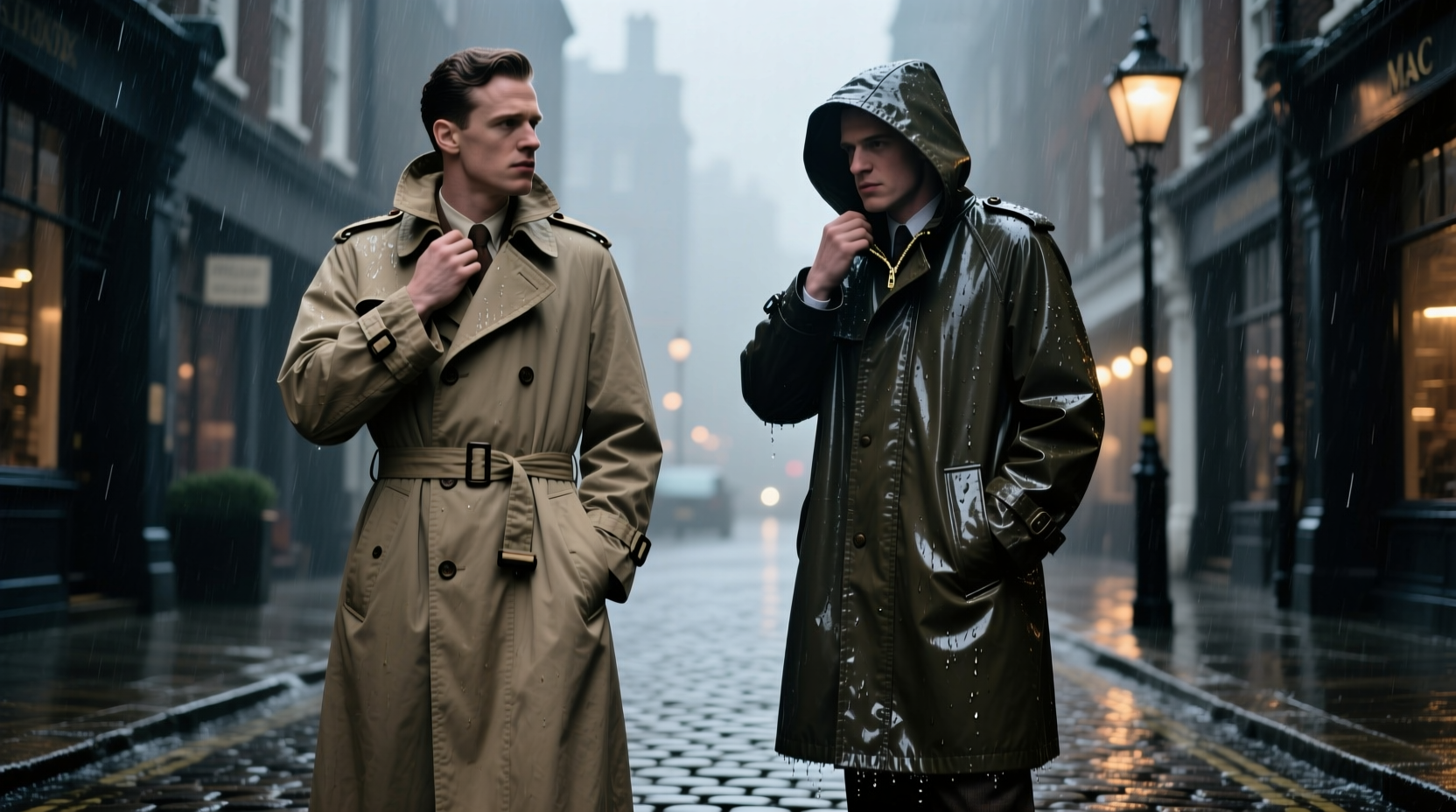
The trench coat traces its roots to British military history, specifically World War I. Originally designed for officers stationed in the trenches, it was developed by Thomas Burberry and Aquascutum using gabardine—a tightly woven, water-resistant fabric that allowed breathability while repelling moisture. Features like epaulettes, storm flaps, and deep pockets were functional additions meant to carry gear and withstand harsh battlefield conditions.
In contrast, the mac coat—short for \"mackintosh\"—originates from the early 19th century. Invented by Charles Macintosh, it was one of the first truly waterproof garments. The original design used rubberized cotton, sandwiched between two layers of fabric to create a barrier against rain. While effective in wet conditions, early versions lacked breathability and were stiff, limiting movement and comfort.
These foundational differences set the stage for how each coat evolved: the trench as a stylish yet weather-ready garment, and the mac as a utilitarian rain shield later refined for urban wear.
Material and Weather Resistance Compared
The core distinction between trench and mac coats lies in their construction materials and resulting weather performance.
Trench coats are typically made from cotton gabardine or modern synthetic blends. Gabardine offers moderate water resistance by shedding light rain due to its tight weave, but it is not fully waterproof. Prolonged exposure to heavy downpours will eventually lead to saturation. However, its breathability makes it ideal for damp, cool conditions where ventilation matters—such as spring mornings or autumn evenings.
Mac coats, on the other hand, are constructed with inherently waterproof materials. Traditional versions use rubberized cotton, while contemporary designs incorporate PVC, polyurethane, or advanced laminated fabrics. These materials form a complete moisture barrier, making macs highly effective in persistent rain. The trade-off is reduced breathability; wearers may experience internal condensation during extended use, particularly in humid climates.
Weather Practicality Summary
| Coat Type | Water Resistance | Breathability | Best Weather Conditions | Durability Notes |
|---|---|---|---|---|
| Trench Coat | Moderate (water-resistant) | High | Cool, damp days; light rain | Fabrics may require reproofing over time |
| Mac Coat | High (fully waterproof) | Low to moderate | Heavy rain; wet commutes | Materials can crack if folded or stored improperly |
Design Elements That Define Each Style
While both coats share some visual similarities—double-breasted fronts, belted waists, and collar straps—closer inspection reveals critical design distinctions.
Trench Coats feature structured shoulders with epaulettes (originally for holding rank insignia), a gun flap on the chest (to protect against wind and rain), and a storm shield at the back to direct water away from the body. They usually have a removable liner and are cut longer, often reaching mid-calf. The fabric has a slightly textured finish, and color palettes tend to be neutral: camel, khaki, navy, and black dominate.
Mac Coats prioritize minimalism and seam sealing. They often lack epaulettes and gun flaps, focusing instead on clean lines and hidden closures to maintain waterproof integrity. Zippers may be covered with storm flaps, and hoods are more commonly integrated—sometimes concealed in the collar. Modern macs come in bold colors and glossy finishes, reflecting their evolution into fashion-forward rainwear.
“Understanding the silhouette tells you everything. A trench commands presence with structure and detail; a mac prioritizes efficiency and elemental defense.” — Julian Hart, Menswear Historian and Curator at the London Fashion Archive
Styling Differences: When and How to Wear Each
Styling a trench coat leans toward classic elegance. It pairs naturally with tailored clothing—think wool trousers, oxford shoes, and crisp shirts. In colder months, layer it over a sweater or suit. The trench elevates smart-casual ensembles and works well in professional settings. Its timeless appeal makes it suitable for formal events, business meetings, or evening outings when paired with polished accessories.
A mac coat, due to its sleek, often shiny appearance, functions best in urban environments and casual contexts. Pair it with jeans, ankle boots, and minimalist knitwear for a contemporary look. Transparent or colored macs add a playful touch to spring wardrobes. Because of its association with pure utility, wearing a mac over a suit can appear incongruous unless the design is deliberately fashion-forward (e.g., matte-finish designer macs).
Choosing the Right Fit and Length
Fit significantly influences both comfort and style. Trench coats should fit snugly at the shoulders with enough room to layer underneath. The belt should cinch at the natural waist without pulling or gapping. Length varies: shorter trenches (hip-length) offer mobility and work well with casual wear, while full-length versions project authority and provide greater coverage.
Mac coats benefit from a slightly looser fit to accommodate airflow and prevent clinging during windy conditions. Since many are non-breathable, too-tight cuts increase discomfort from trapped moisture. Hoods, when present, should sit comfortably over the head without obstructing vision.
For petite individuals, a cropped trench or short mac maintains proportion. Tall wearers can embrace longer lengths without overwhelming their frame. Always try on with typical under-layers (e.g., a sweater or jacket) to assess real-world usability.
Step-by-Step Guide: Selecting Between Trench and Mac
- Evaluate Your Climate: Do you face daily rain or occasional showers? Persistent wetness favors a mac; variable conditions suit a trench.
- Assess Your Wardrobe: Do you wear suits and structured outfits? A trench integrates better. Prefer streetwear or minimalist fashion? A mac aligns with that aesthetic.
- Consider Usage: Commuting through rain? Choose a mac. Walking to meetings in spring drizzle? A trench suffices.
- Test Mobility and Comfort: Move around in the coat—raise arms, sit down, simulate walking. Ensure ease of motion and no restriction.
- Check Maintenance Needs: Trenches may need periodic re-waterproofing; macs require wiping down after use to prevent stickiness (especially PVC models).
Maintenance and Longevity Tips
Proper care extends the life of either coat, though their maintenance differs.
Trench coats made from cotton gabardine should be professionally cleaned or gently hand-washed following manufacturer instructions. Avoid machine drying, which can damage the weave. To restore water resistance, apply a fabric protector spray every few months, especially before rainy seasons.
Mac coats demand wiping with a damp cloth after exposure to dirt or pollutants. Storing them folded can cause cracking in rubberized or plastic-coated versions. Instead, hang them on wide wooden hangers in a dry closet. Avoid prolonged sun exposure, which degrades synthetic coatings.
“A well-maintained trench can last decades. A neglected mac loses functionality within years. Care isn’t optional—it’s part of the investment.” — Lena Choi, Sustainable Fashion Consultant
Mini Case Study: Urban Professional in Seattle
Sarah, a marketing executive in Seattle, faced constant drizzle during her daily commute. Initially, she purchased a beige trench coat for its classic look and wore it proudly with her work wardrobe. However, after three weeks of near-daily rain, the coat began to darken with absorbed moisture, felt heavy, and never fully dried indoors.
She switched to a matte black mac coat with a concealed hood. Though less traditional, it kept her completely dry, weighed less when wet, and required only a quick wipe after use. She now keeps the trench for drier seasons and uses the mac year-round during fall and winter. Her experience highlights how environment dictates practicality—even when aesthetics initially take precedence.
Frequently Asked Questions
Can I wear a trench coat in heavy rain?
Limited exposure is acceptable, but prolonged heavy rain will saturate a standard trench coat. While gabardine sheds light moisture, it is not fully waterproof. For consistent downpours, a mac coat is a better option.
Are mac coats only for rainy days?
Primarily yes, due to their specialized construction. However, lightweight, fashion-oriented macs (especially transparent or colored ones) are worn stylistically in dry weather for a modern, edgy look—common in streetwear and editorial fashion.
Is a trench coat appropriate for summer?
Not typically. Even lightweight versions may feel warm in hot weather. However, in cooler summer evenings or air-conditioned environments, a linen-blend trench can serve as a breathable outer layer.
Final Checklist Before You Buy
- ✅ Determine primary use: daily commute, travel, office wear, or fashion statement?
- ✅ Identify local weather patterns: frequent rain vs. occasional showers?
- ✅ Try on with seasonal layers: Can you wear a sweater or jacket underneath?
- ✅ Check closure type: Buttons and buckles (trench) vs. zippers and snaps (mac)?
- ✅ Assess care requirements: Are you willing to reproof or hand-clean?
- ✅ Evaluate long-term value: Will this piece integrate into your wardrobe for multiple seasons?
Conclusion: Make the Choice That Serves You
The trench coat and mac coat represent two philosophies of outerwear: one rooted in heritage and tailored elegance, the other in functional innovation and elemental protection. Choosing between them isn’t about which is “better,” but which aligns with your lifestyle, climate, and aesthetic goals. A trench adds sophistication to a curated wardrobe, while a mac ensures reliability when the skies open. By understanding their origins, materials, and styling nuances, you empower yourself to invest wisely—not just in a coat, but in confidence and comfort through every season.




 浙公网安备
33010002000092号
浙公网安备
33010002000092号 浙B2-20120091-4
Comments
No comments yet. Why don't you start the discussion?