
Trigonella foenum-graecum, commonly known as fenugreek, is a flowering plant in the Fabaceae family native to the Mediterranean, Southern Europe, and Western Asia. Long revered in traditional medicine systems such as Ayurveda and Traditional Chinese Medicine, fenugreek has recently drawn scientific attention for its potential role in modulating hormonal balance—particularly testosterone levels in men. As interest in natural approaches to enhancing vitality, libido, and muscle development grows, so does the scrutiny of botanicals like fenugreek. Clinical studies, mechanistic research, and real-world anecdotal evidence suggest that specific bioactive compounds in fenugreek may support healthy testosterone production, particularly in individuals with low baseline levels or those undergoing physical stress. This article examines the science behind fenugreek’s influence on testosterone, analyzes active constituents, evaluates clinical findings, and provides practical guidance for its use in dietary and supplemental forms.
Definition & Overview
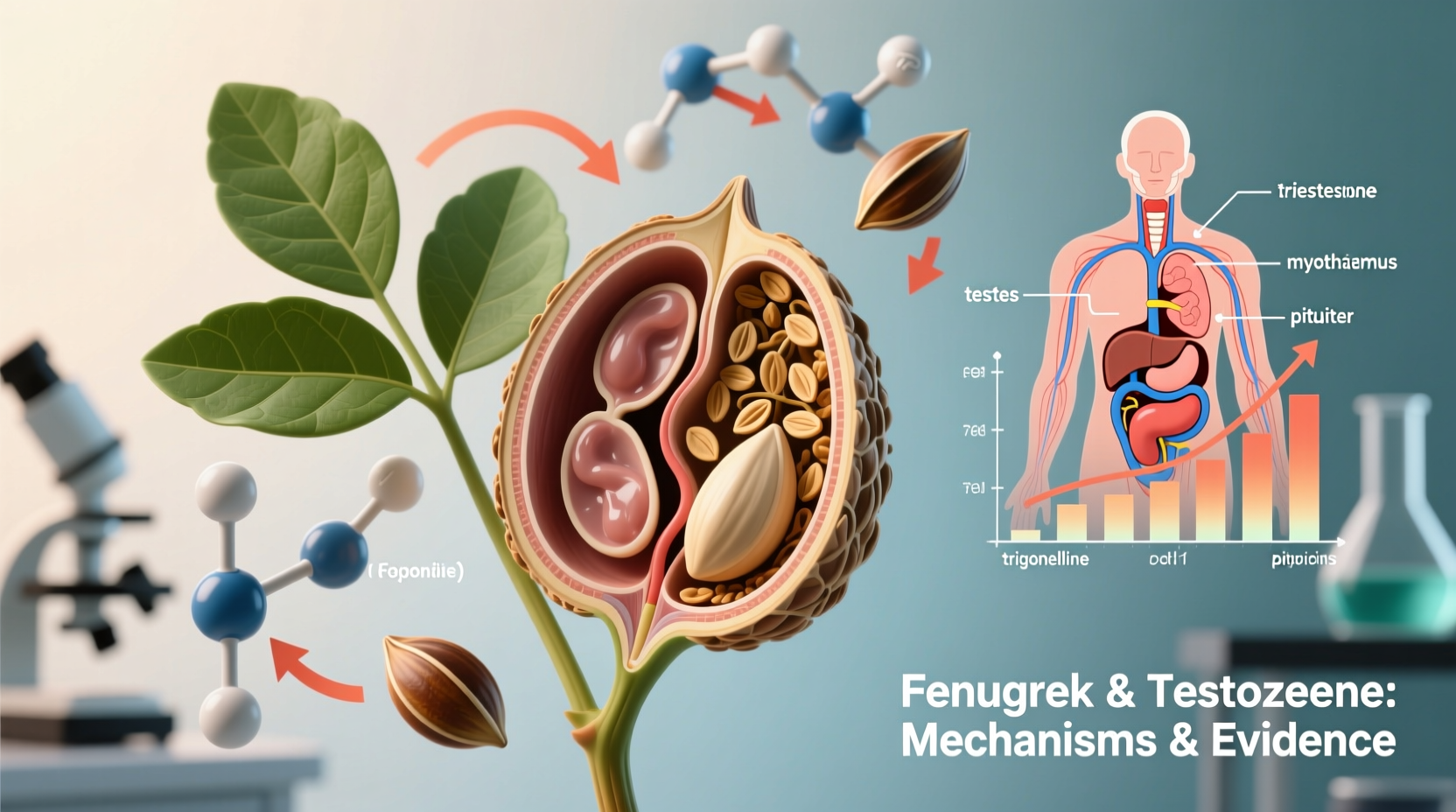
Fenugreek (Trigonella foenum-graecum) is an herb cultivated for both its seeds and leaves, used globally as a culinary spice and medicinal agent. The small, amber-colored seeds possess a distinctive maple-like aroma and slightly bitter taste, making them a staple in Indian curries, Middle Eastern rubs, and spice blends such as panch phoron. Beyond flavor, fenugreek seeds are rich in saponins, alkaloids, flavonoids, and soluble fiber, particularly galactomannans. Historically, it has been employed to support digestion, lactation, blood sugar regulation, and reproductive health. In recent years, modern research has increasingly focused on its phytochemical profile—especially fenuside and protodioscin—as key contributors to its endocrine-modulating properties. These steroidal saponins are believed to influence hormone synthesis pathways, positioning fenugreek as a subject of interest in sports nutrition and male wellness.
Key Characteristics
| Characteristic | Description |
|---|---|
| Botanical Name | Trigonella foenum-graecum |
| Common Names | Fenugreek, methi, Greek hay |
| Plant Family | Fabaceae (legume) |
| Form Used | Dried seeds, powdered seed, leaf extract, standardized supplements |
| Flavor Profile | Bitter, nutty, with subtle maple-sweet undertones |
| Aroma | Warm, earthy, mildly sweet when roasted |
| Active Compounds | Protodioscin, diosgenin, trigonelline, galactomannan fiber, choline |
| Culinary Function | Flavor enhancer, thickening agent, browning agent in spice pastes |
| Shelf Life (whole seeds) | 2–3 years in cool, dark storage |
| Heat Stability | High; improves flavor when dry-roasted |
Mechanisms of Action: How Fenugreek Influences Testosterone
The proposed impact of fenugreek on testosterone stems primarily from two interrelated biological mechanisms: enzymatic modulation of steroidogenesis and inhibition of sex hormone-binding globulin (SHBG).
Protodioscin, a furostanol saponin abundant in fenugreek, serves as a precursor to dehydroepiandrosterone (DHEA), a prohormone synthesized in the adrenal glands. DHEA is subsequently converted into androgens such as testosterone. Studies suggest that protodioscin may enhance the activity of enzymes involved in this conversion pathway, including 17α-hydroxylase and 17,20-lyase, thereby increasing endogenous testosterone synthesis. A 2014 double-blind, placebo-controlled trial published in the Journal of the International Society of Sports Nutrition found that men supplementing with 500 mg/day of fenugreek extract (containing 50% protodioscin) experienced significant increases in total and free testosterone compared to controls after eight weeks.
Additionally, fenugreek appears to reduce circulating levels of SHBG, the protein that binds testosterone and renders it biologically inactive. By lowering SHBG affinity or concentration, more testosterone remains unbound—or \"free\"—and thus available for tissue uptake. This mechanism may explain improvements in perceived energy, mood, and sexual function reported in clinical trials, even when total testosterone increases are modest.
Secondary contributors include improved insulin sensitivity via trigonelline and fiber content, which indirectly supports anabolic signaling. Chronic hyperinsulinemia is associated with reduced gonadotropin release and lower testosterone output; therefore, metabolic stabilization may create a more favorable hormonal milieu.
Expert Insight: \"While fenugreek isn’t a replacement for testosterone replacement therapy, it functions as a functional adaptogen—supporting the body’s natural capacity to maintain optimal androgen status under physiological stress,\" says Dr. Lena Moretti, integrative endocrinologist and researcher at the Institute for Herbal Medicine and Metabolism.
Practical Usage: Incorporating Fenugreek for Hormonal Support
For individuals seeking to leverage fenugreek’s potential benefits for testosterone and overall vitality, several usage strategies exist—from whole-food integration to targeted supplementation.
1. Whole Seeds in Cooking
Dry-roasting fenugreek seeds enhances their aromatic complexity while preserving bioactive compounds. Use sparingly due to bitterness:
- Add ½ teaspoon crushed, roasted seeds to lentil stews (dals) or vegetable sautés.
- Include in homemade garam masala blends at 5–10% of total volume.
- Steep whole seeds in warm milk with cinnamon and honey—a traditional tonic consumed before bed.
2. Powdered Fenugreek Leaf (Kasuri Methi)
Though less studied for testosterone effects than seeds, dried fenugreek leaves contribute milder flavor and trace nutrients. Best used as a finishing herb:
- Sprinkle 1–2 teaspoons over finished curries, scrambled eggs, or yogurt dips.
- Mix into dough for flatbreads like paratha or naan for subtle earthiness.
3. Standardized Extract Supplements
For clinically relevant outcomes related to testosterone, concentrated extracts are most effective. Look for products standardized to protodioscin content (typically 40–60%). Common dosages based on human trials:
- 500 mg/day: Basic maintenance dose; shown to improve libido and mild fatigue.
- 600 mg twice daily (1,200 mg total): Used in resistance-training studies to support strength gains and free testosterone elevation.
Timing: Take with meals containing healthy fats (e.g., avocado, olive oil) to enhance absorption of fat-soluble saponins.
4. Soaked Seed Gel (Traditional Preparation)
Soaking 1 tablespoon of seeds overnight in water creates a mucilaginous gel. Consume the soaked seeds and liquid on an empty stomach each morning. This method increases bioavailability of water-soluble compounds and supports gut health through prebiotic fiber.
Actionable Tip: Combine fenugreek with black pepper and healthy fat (like coconut oil) in capsules or food. Piperine in black pepper may enhance the bioavailability of fenugreek saponins by up to 30%, according to pharmacokinetic studies on similar phytochemicals.
Variants & Types
Fenugreek is available in multiple forms, each suited to different purposes:
| Type | Description | Best For |
|---|---|---|
| Whole Seeds | Raw or roasted; highest shelf life and heat stability | Cooking, sprouting, infusion |
| Ground Seed Powder | Convenient but oxidizes faster; loses potency within 6 months | Spice blends, baking, smoothie addition |
| Fenugreek Leaf (Kasuri Methi) | Dried aerial parts; milder flavor, negligible saponin content | Flavor enhancement only |
| Standardized Extract Capsules | Typically 40–60% protodioscin; enteric-coated versions improve absorption | Hormonal support, athletic performance |
| Defatted Seed Extract | Concentrated saponins with reduced fiber; often used in clinical formulations | Research-grade supplementation |
| Fenugreek Tea | Infusion of seeds or leaves; lower concentration of actives | Digestive aid, mild metabolic support |
Comparison with Similar Ingredients
Fenugreek is often confused with other testosterone-supportive herbs. While some share overlapping effects, key distinctions exist:
| Ingredient | Primary Active Compound | Effect on Testosterone | Key Difference from Fenugreek |
|---|---|---|---|
| Tribulus terrestris | Saponins (protodioscin also present) | Inconclusive in humans; may stimulate libido via dopamine | Lacks consistent evidence for testosterone elevation in clinical trials |
| Ashwagandha (Withania somnifera) | Withanolides | Modest increase in testosterone; strong cortisol-lowering effect | Acts mainly through stress reduction rather than direct steroidogenesis |
| Maca root (Lepidium meyenii) | Macerine, macamides | No change in hormone levels; improves sexual desire | Works peripherally on brain receptors, not endocrine glands |
| Zinc supplements | Mineral (Zn²⁺) | Essential cofactor for testosterone synthesis; corrects deficiency | Necessary but insufficient alone; no effect without deficiency |
| Fenugreek | Protodioscin, diosgenin | Increases free testosterone via SHBG modulation and enzyme stimulation | One of few botanicals with replicated positive results in controlled trials |
“Among natural testosterone modulators, fenugreek stands out because it targets multiple pathways—both hormonal binding and biosynthesis—without suppressing the HPT axis,” notes Dr. Arun Patel, nutritional biochemist specializing in plant sterols.
Practical Tips & FAQs
Can women take fenugreek for hormonal balance?
Yes. While most studies focus on men, fenugreek has been traditionally used by nursing mothers to increase milk production due to its diosgenin content, which may mimic estrogenic activity. However, women with hormone-sensitive conditions should consult a physician before long-term use.
Does cooking destroy fenugreek’s active compounds?
Dry roasting preserves protodioscin and enhances digestibility. Prolonged boiling may degrade some saponins, but not entirely. For maximum benefit, combine cooked use with supplemental intake if targeting hormonal outcomes.
How long does it take to see effects on testosterone?
Clinical data indicate measurable changes in free testosterone and symptom improvement (e.g., libido, energy) within 6–8 weeks of consistent supplementation at effective doses (≥500 mg/day of standardized extract).
Are there side effects?
Fenugreek is generally safe at culinary and moderate supplemental doses. Possible side effects include gastrointestinal discomfort, maple-syrup odor in urine (due to sotolone), and rare allergic reactions. High doses (>2,000 mg/day) may interact with anticoagulants or diabetes medications due to coumarin and hypoglycemic effects.
Is organic fenugreek better?
Organic certification reduces risk of pesticide residues and ensures non-GMO sourcing. Given that fenugreek seeds are often grown in regions with variable agricultural standards, opting for certified organic products from reputable suppliers is advisable, especially for long-term use.
What’s the best time of day to take fenugreek?
With meals—preferably breakfast and dinner—to maintain steady plasma levels and optimize fat-assisted absorption. Avoid taking late at night if it causes mild stimulation or digestive activity.
Checklist: Choosing a High-Quality Fenugreek Supplement
- Look for standardization to ≥40% protodioscin
- Third-party tested for purity and heavy metals
- Enteric coating preferred for improved delivery
- Derived from non-irradiated seeds
- Free from fillers like magnesium stearate
Real-World Case Study: Resistance Training and Performance
In a 2020 study conducted at the University of Mary Hardin-Baylor, 49 recreationally trained males were randomized to receive either 600 mg of fenugreek extract twice daily or placebo over eight weeks while following a structured resistance training program. The fenugreek group demonstrated:
- 12.3% increase in free testosterone (vs. 3.1% in placebo)
- Significant improvement in bench press and squat one-rep max (+15.4 kg vs. +6.2 kg)
- Greater reductions in perceived fatigue and improved recovery scores
Notably, no changes in estradiol or cortisol were observed, suggesting selective androgenic modulation without adverse endocrine disruption.
Summary & Key Takeaways
Trigonella foenum-graecum, or fenugreek, is more than a culinary spice—it is a phytochemically rich botanical with compelling evidence supporting its role in maintaining healthy testosterone levels. Its primary mechanisms involve stimulating endogenous testosterone synthesis via protodioscin-mediated enzyme activation and increasing free testosterone availability through SHBG modulation. Unlike many herbal alternatives, fenugreek has demonstrated reproducible effects in human clinical trials, particularly among active individuals and those with suboptimal baseline hormone profiles.
Effective use requires selecting the appropriate form: whole seeds and powders suffice for flavor and general wellness, but standardized extracts (500–1,200 mg/day, 40–60% protodioscin) are necessary for meaningful hormonal impact. When combined with lifestyle factors such as strength training, adequate sleep, and balanced nutrition, fenugreek can serve as a valuable component of a holistic approach to male vitality.
As with any bioactive compound, consistency, quality sourcing, and informed dosing are critical. Consumers should prioritize third-party tested supplements, integrate culinary uses for synergistic benefits, and monitor personal responses over time. With centuries of traditional validation and growing scientific support, fenugreek remains one of the most accessible and well-tolerated natural agents for hormonal optimization.
Interested in optimizing your nutrition for hormonal health? Explore incorporating fenugreek into your routine—start with culinary uses, then consider a high-quality extract if pursuing targeted benefits. Always consult a healthcare provider before beginning new supplements, especially if managing medical conditions.




 浙公网安备
33010002000092号
浙公网安备
33010002000092号 浙B2-20120091-4
Comments
No comments yet. Why don't you start the discussion?