
Waking up should feel like a natural transition from rest to readiness. Yet for millions of people, mornings begin with grogginess, frustration, and an internal battle against the alarm clock. If you consistently hit snooze, feel disoriented upon waking, or dread the start of your day, you're not lazy — you may be facing underlying physiological, psychological, or behavioral challenges. Understanding the root causes is the first step toward reclaiming your mornings.
The Science Behind Morning Grogginess
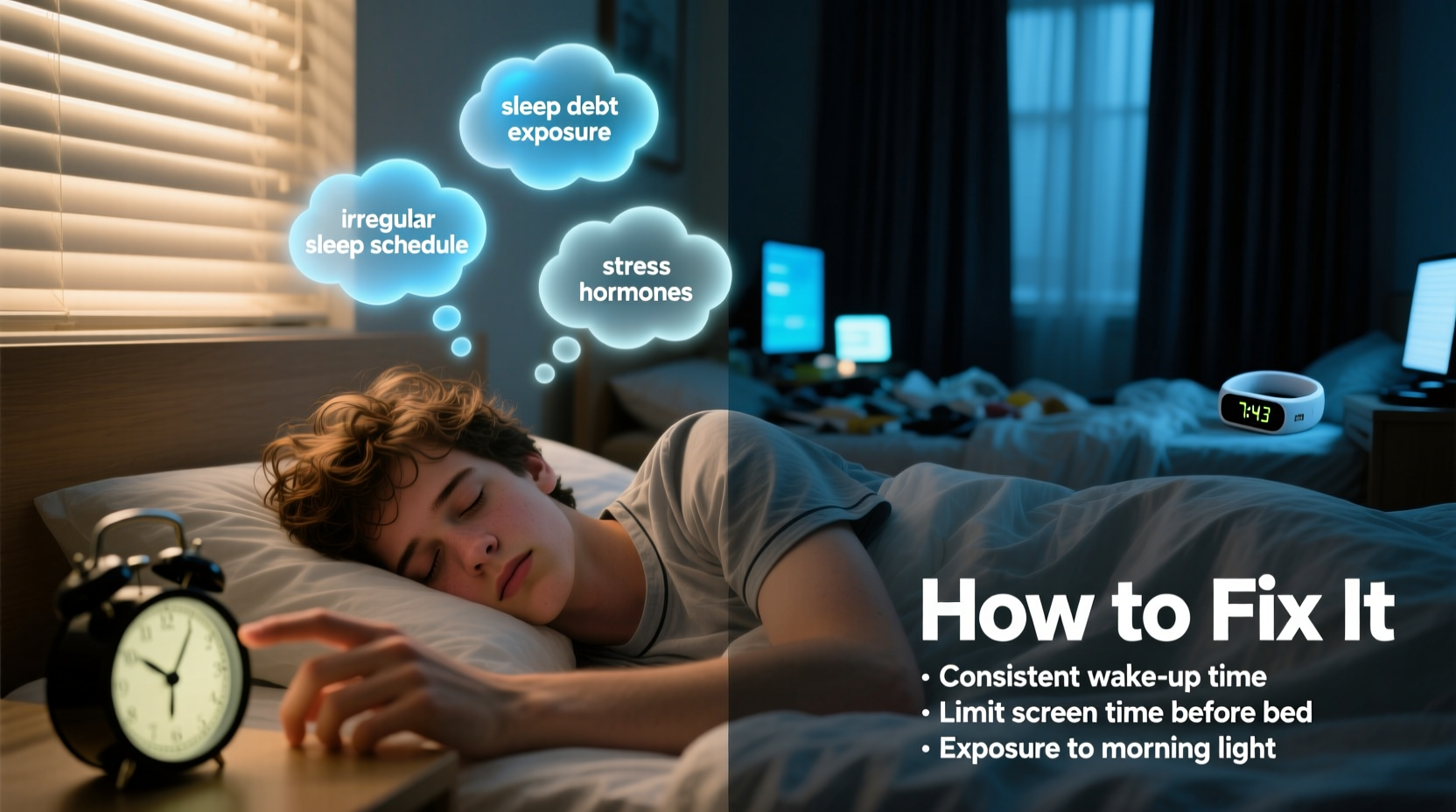
Sleep inertia is the technical term for that heavy, foggy feeling right after waking. It occurs because parts of your brain are still in a sleep state while others have woken up. This mismatch can last anywhere from 15 minutes to several hours, depending on sleep quality, timing, and individual biology.
During deep sleep (slow-wave sleep), the brain clears metabolic waste and consolidates memories. Waking during this phase — especially if abrupt — intensifies grogginess. The longer and deeper the sleep cycle interrupted, the worse the inertia. This explains why sleeping in doesn’t always help; oversleeping can disrupt circadian rhythms and deepen morning fatigue.
“Sleep inertia isn't just about being tired — it's a neurological lag. Timing your wake-up to align with lighter sleep stages can reduce its impact by up to 70%.” — Dr. Lena Torres, Sleep Neurologist, Stanford Center for Sleep Sciences
Common Reasons You Struggle to Wake Up
Chronic difficulty waking isn’t normal. It’s often a signal that something in your sleep system is misaligned. Here are the most frequent culprits:
- Inconsistent sleep schedule: Going to bed and waking at different times confuses your internal clock.
- Sleep deprivation: Even a 30-minute nightly deficit accumulates into significant daytime impairment.
- Poor sleep hygiene: Screen exposure before bed, caffeine late in the day, or noisy environments degrade sleep quality.
- Circadian rhythm misalignment: Night owls forced into early schedules suffer social jetlag.
- Sleep disorders: Conditions like sleep apnea, restless legs syndrome, or narcolepsy interfere with restorative sleep.
- Depression or anxiety: Mental health issues often manifest as hypersomnia or unrefreshing sleep.
- Diet and hydration: Heavy dinners, alcohol, or dehydration impair sleep continuity and depth.
How to Fix Your Morning Struggles: A Step-by-Step Guide
Improving wakefulness isn’t about willpower — it’s about strategy. Follow this timeline to reset your mornings over the next 14 days:
- Day 1–3: Audit your current routine
Record when you go to bed, fall asleep, wake up, and how you feel. Note screen time, caffeine, and stress levels. - Day 4–6: Set a fixed wake-up time
Choose a realistic time and stick to it — even on weekends. Use bright light immediately upon rising. - Day 7–9: Optimize your sleep environment
Make your bedroom dark, cool (60–67°F), and quiet. Remove electronics or use blue light filters. - Day 10–12: Establish a wind-down ritual
Begin 60 minutes before bed: warm shower, light reading, no screens. Avoid stimulating conversations. - Day 13–14: Test and adjust
Evaluate energy levels, mood, and wake-up ease. Tweak bedtime in 15-minute increments until you wake naturally.
Do’s and Don’ts of Morning Recovery
| Action | Do | Don’t |
|---|---|---|
| Upon waking | Get sunlight within 10 minutes or use a dawn simulator lamp | Check your phone immediately — it triggers mental load |
| Nutrition | Drink water and eat protein-rich breakfast | Reach for sugar or skip breakfast |
| Exercise | Take a 10-minute walk outside | Engage in intense workouts before fully awake |
| Caffeine | Wait 60–90 minutes after waking for optimal cortisol balance | Drink coffee in bed immediately upon waking |
Real-Life Example: Sarah’s Transformation
Sarah, a 34-year-old project manager, routinely hit snooze five times and dragged herself out of bed at 8:30 AM, despite setting her alarm for 7:00. She felt sluggish until noon. After tracking her habits, she discovered she was falling asleep around 1:00 AM due to late work emails and Netflix binges. Her weekend lie-ins (up to 10:00 AM) worsened Monday fatigue.
She implemented a fixed 7:00 AM wake-up every day, used blackout curtains, and replaced evening scrolling with journaling. Within two weeks, she began waking closer to her alarm without snoozing. By day 21, she was up by 7:05 AM naturally, drinking water, and taking a brisk walk. Her afternoon energy improved, and her focus sharpened.
Her key insight: “I thought I needed more sleep. But I actually needed better-timed, consistent sleep.”
Expert-Backed Fixes That Work
Research shows that behavioral adjustments yield faster results than gadgets or supplements. Consider these evidence-based strategies:
- Use a sunrise alarm clock: These simulate natural dawn, gradually increasing light to ease your brain out of sleep.
- Practice the 5-second rule: When the alarm goes off, count down from 5 and physically move on “1” — this interrupts hesitation.
- Hydrate immediately: Dehydration worsens fatigue. Keep water by your bed and drink a full glass upon rising.
- Expose yourself to bright light: Open curtains or step outside. Light suppresses melatonin and signals wakefulness.
- Avoid checking the time at night: Clock-watching increases anxiety and delays sleep onset.
“People underestimate the power of consistency. Going to bed and waking up within a 20-minute window every day regulates cortisol and melatonin perfectly.” — Dr. Rajiv Mehta, Chronobiologist, Harvard Medical School
Frequently Asked Questions
Why do I feel more tired after sleeping 9 hours than 7?
You may be waking from a deep sleep cycle, causing severe sleep inertia. Alternatively, oversleeping can disrupt circadian rhythms and lead to inflammation-related fatigue. Aim for 7–8 hours and focus on sleep quality over quantity.
Is hitting snooze really that bad?
Yes. Each snooze cycle pulls you back into fragmented light sleep, which feels heavier than staying awake. This repeated interruption amplifies grogginess and delays alertness. Try placing your alarm across the room to force起身.
Can diet affect how easily I wake up?
Absolutely. Heavy, high-carb meals before bed increase digestive effort and disrupt sleep architecture. Low blood sugar in the morning can also cause fatigue. Eat balanced dinners and include protein and complex carbs at breakfast.
Final Checklist: Build a Better Morning Routine
- Set and maintain a consistent wake-up time (yes, weekends too)
- Expose yourself to bright light within 5–10 minutes of waking
- Drink a glass of water immediately
- Delay caffeine for at least 60 minutes
- Establish a calming pre-sleep routine (no screens, dim lights)
- Optimize bedroom conditions: cool, dark, quiet
- Track sleep patterns for at least one week to identify issues
- Consult a sleep specialist if fatigue persists beyond 4 weeks
Conclusion: Take Control of Your Mornings Starting Today
Morning struggles aren’t inevitable. They’re signals — invitations to examine your sleep habits, mental health, and daily rhythms. With small, consistent changes, you can transform groggy starts into energized beginnings. You don’t need motivation; you need a system. Start tonight: set your bedtime, power down devices, and prepare your space for quality rest. Tomorrow’s stronger, clearer morning begins with one intentional choice.




 浙公网安备
33010002000092号
浙公网安备
33010002000092号 浙B2-20120091-4
Comments
No comments yet. Why don't you start the discussion?