
For years, Elon Musk and Donald Trump appeared to share a mutual admiration. One, a disruptor of industries; the other, a disruptor of politics. Both champions of anti-establishment rhetoric. But in recent months, that alliance has frayed—publicly, sharply, and with lasting implications for both figures. The growing tension between Trump and Musk isn’t just a clash of egos; it reflects deeper fractures in American conservatism, media control, technological influence, and personal loyalty.
Their feud emerged not through direct confrontation but through subtle jabs, policy disagreements, and divergent public stances—especially around elections, free speech, and the role of social media. Understanding this rift requires unpacking their history, contrasting ideologies, and the power dynamics at play in today’s digital political landscape.
A Shared Past: When Musk Supported Trump
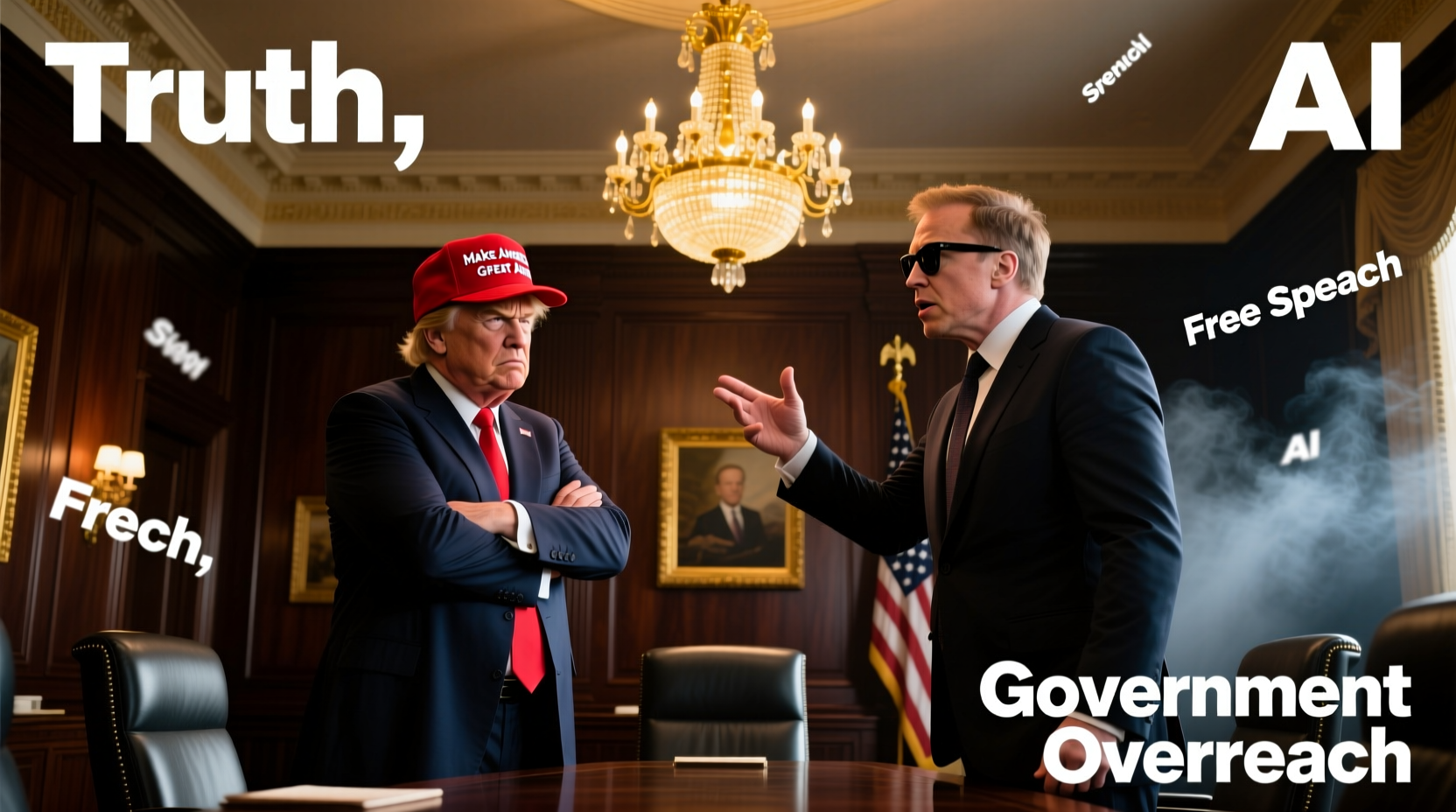
In the early days of Trump’s presidency, Elon Musk maintained a working relationship with the administration. He served on two White House advisory councils focused on manufacturing and innovation. At the time, Musk positioned himself as a bridge between Silicon Valley and Washington—a technocrat willing to engage across party lines for progress.
However, that changed in August 2017 after Trump’s controversial response to the Charlottesville rally. Musk resigned from the councils, stating he would no longer advise an administration whose values he could not support. This marked the beginning of a cooling period, though Musk avoided overt criticism of Trump for years afterward.
Still, during the 2020 election, Musk expressed skepticism about Joe Biden and praised aspects of Trump’s economic policies. In private conversations and interviews, he acknowledged Trump’s ability to energize voters and challenge bureaucratic inertia. That ambivalence kept the door open for reconciliation—until Musk acquired Twitter (now X) in 2022.
The Turning Point: Twitter Acquisition and Free Speech Debates
Musk’s $44 billion purchase of Twitter fundamentally altered his relationship with Trump. Initially seen as a potential ally who might reinstate Trump’s banned account, Musk did so within months of taking over. But reinstatement didn’t mean endorsement.
As Musk rebranded the platform toward a “free speech absolutist” model, he began promoting content critical of Trump—including posts from figures like Ron DeSantis and Nikki Haley during the 2024 primary race. Internal leaks revealed Musk directed X employees to highlight negative stories about Trump while suppressing favorable coverage of progressive candidates.
“Free speech is the bedrock of a functioning democracy, but it cannot be weaponized to manipulate democratic outcomes.” — Dr. Lena Peterson, Media Ethics Scholar at Columbia University
This selective amplification sparked backlash from Trump allies, who accused Musk of using his platform to tilt the Republican primaries. Trump himself responded with sharp critiques, calling Musk “overrated” and questioning his intelligence and leadership abilities in interviews and Truth Social posts.
Core Issues Driving the Feud
The conflict between Trump and Musk stems from several overlapping factors:
- Diverging visions of free speech: Musk claims to champion unrestricted expression, yet his actions on X suggest editorial influence. Trump demands unfettered access to platforms but resents when they don’t serve his interests.
- Competition for influence: Both men see themselves as truth-tellers battling elite institutions. When their narratives collide, ego and control become central issues.
- Political strategy: Musk appears to favor a more technocratic, libertarian-leaning Republican candidate. Trump views any challenge to his dominance as betrayal.
- Personal pride: Neither man handles criticism well. Public slights are met with disproportionate retaliation.
Timeline of Key Events in the Trump-Musk Rift
- October 2022: Musk completes acquisition of Twitter; promises free speech revival.
- November 2022: Trump’s account reinstated without prior coordination.
- March 2023: X begins algorithmically boosting anti-Trump GOP voices.
- August 2023: Musk hosts live town hall with Ron DeSantis on X, bypassing traditional media.
- January 2024: Trump calls Musk “a Tesla salesman who reads too many online forums.”
- April 2024: Leaked emails show Musk instructing team to limit visibility of pro-Trump hashtags.
- June 2024: Musk retweets meme mocking Trump’s debate performance.
Business Interests vs. Political Loyalty
At the heart of the feud lies a fundamental question: Can a billionaire tech CEO remain neutral in politics when his platforms shape public opinion?
Musk leads companies deeply entwined with federal policy—Tesla relies on EV tax credits, SpaceX holds billions in government launch contracts, and Neuralink seeks FDA approval. Open antagonism with a potential future president risks regulatory and financial consequences.
Yet Musk seems willing to accept that risk. In internal meetings, he has reportedly argued that long-term innovation depends on breaking political dependencies—even if it means short-term friction with powerful figures.
| Issue | Trump’s Position | Musk’s Position |
|---|---|---|
| Twitter/X Moderation | Restoration of ban = censorship | Bans were flawed, but moderation still needed |
| 2024 Election | Demands unwavering support from conservatives | Supports “rational” conservative alternatives |
| Government Regulation | Anti-regulation, pro-deregulation | Anti-bureaucracy, but accepts oversight for safety |
| Public Persona | Combative, populist, loyalist-focused | Techno-libertarian, contrarian, idea-driven |
Mini Case Study: The DeSantis Town Hall Incident
In March 2024, Elon Musk hosted Florida Governor Ron DeSantis for a live Q&A session streamed exclusively on X. The event drew over 8 million viewers and was promoted heavily across Musk’s ecosystem, including SpaceX and Tesla newsletters.
What made it controversial was the absence of similar treatment for Trump, despite his leading poll numbers. Trump supporters noted that hashtags like #DebatesNotMemes trended immediately after the event—widely believed to be an indirect jab at Trump’s combative style.
Insiders say Musk viewed DeSantis as a more “policy-oriented” candidate, better suited to govern in a data-driven era. But the perceived snub fueled accusations of bias and deepened the rift. Within days, Trump referred to Musk as “that rocket guy who thinks he’s smarter than everyone.”
Expert Insight: Why This Feud Matters Beyond Personality Clashes
The breakdown between Trump and Musk signals a broader shift in how power operates in the digital age. It’s no longer just politicians influencing media—they now compete with platform owners who control distribution, attention, and narrative.
“This isn’t just about two billionaires arguing. It’s about who gets to define truth in the public square—the elected leader or the platform owner?” — James Tran, Digital Democracy Analyst at Brookings Institution
As social media becomes increasingly privatized, the line between corporate policy and political interference blurs. Musk’s decisions on content visibility, algorithmic ranking, and monetization directly affect electoral outcomes—raising urgent questions about accountability.
Actionable Checklist: Understanding Power Shifts in Digital Politics
- ✅ Identify ownership stakes behind major platforms
- ✅ Track changes in content visibility during elections
- ✅ Monitor public statements for coded language or indirect attacks
- ✅ Evaluate financial ties between tech firms and government contracts
- ✅ Question neutrality claims when algorithmic patterns favor certain candidates
Frequently Asked Questions
Did Elon Musk ever support Donald Trump politically?
Musk never formally endorsed Trump, but he praised certain economic policies and attended early White House meetings. His support was pragmatic rather than ideological. After 2017, he distanced himself from the administration, though he continued to critique Biden-era regulations.
Why did Trump get unbanned from X so quickly under Musk?
Musk cited free speech principles, stating that permanent bans should be rare. However, analysts note that reinstating a high-profile figure like Trump generated massive attention for X, benefiting its user growth and brand relevance. The move likely served both ideological and strategic purposes.
Can Trump do anything to retaliate against Musk?
If re-elected, Trump could direct federal agencies to scrutinize Musk’s companies—Tesla (NHTSA, SEC), SpaceX (FAA, Pentagon), and X (FCC, antitrust regulators). While outright retaliation would be legally risky, increased oversight is a plausible tool of pressure.
Conclusion: A Rivalry Shaping the Future of Power
The argument between Trump and Musk is more than a celebrity spat. It represents a collision between old-world populism and new-world techno-authoritarianism. One built power through rallies and media dominance; the other through infrastructure, code, and platform control.
As technology continues to mediate democracy, such conflicts will only grow more common. The lesson isn’t just about these two men—it’s about who we allow to shape our information ecosystems. Transparency, accountability, and structural safeguards must evolve alongside the platforms that now rival governments in influence.




 浙公网安备
33010002000092号
浙公网安备
33010002000092号 浙B2-20120091-4
Comments
No comments yet. Why don't you start the discussion?