
Jifffly Dad Shoes have become a staple in casual footwear, blending retro aesthetics with modern comfort. Their chunky soles, breathable uppers, and bold designs make them ideal for everyday wear. But like any quality shoe, their longevity depends on how well you care for them. Without proper maintenance, materials degrade, odors build up, and structural integrity weakens—cutting short a shoe’s lifespan. This guide delivers actionable, tested methods to keep your Jifffly Dad Shoes looking fresh and performing well for years.
Understand Your Shoe’s Materials
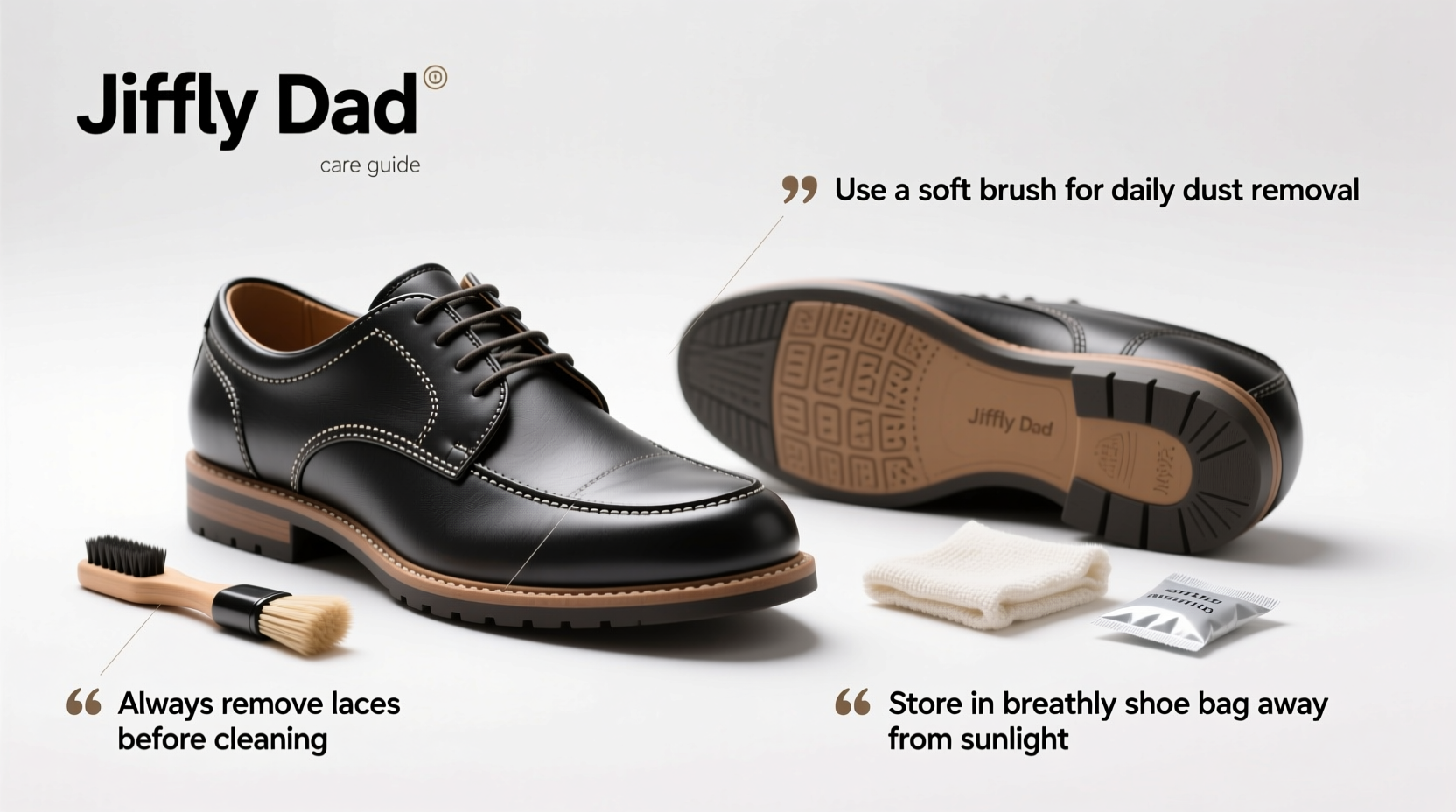
Jifffly Dad Shoes typically combine synthetic mesh, knit fabric, rubber outsoles, EVA midsoles, and sometimes leather or faux leather overlays. Each material responds differently to moisture, heat, and cleaning agents. Knowing what your shoes are made of is the first step in preserving them.
The upper is often the most vulnerable part. Mesh and knit components trap dirt and sweat, which can lead to discoloration and odor if not addressed. The EVA foam midsole provides cushioning but compresses over time when exposed to constant pressure or extreme temperatures. The rubber outsole resists abrasion but can crack if stored improperly or worn excessively on rough terrain.
Daily Maintenance Habits That Make a Difference
Longevity starts with consistent daily practices. Small actions taken after each wear compound into significant protection over time.
- Rotate your shoes: Avoid wearing the same pair two days in a row. This gives the foam midsole time to decompress and recover its shape, while allowing moisture inside to evaporate.
- Remove surface dirt immediately: Use a soft-bristled brush or dry microfiber cloth to wipe off dust and debris from the upper and sole edges after each use.
- Avoid wet conditions: These shoes are not waterproof. Prolonged exposure to rain or puddles can weaken adhesives and cause inner linings to mildew.
- Loosen laces before removing: Yanking them off by the heel collapses the backstay structure. Instead, untie them fully to preserve the shoe’s form.
“Footwear rotation is one of the most overlooked yet effective habits. It reduces stress on materials and prevents premature fatigue.” — Marcus Lin, Footwear Durability Analyst
Step-by-Step Cleaning Routine
Cleaning should be done every 2–3 weeks with moderate use, or weekly if worn daily in urban environments. Follow this sequence to avoid damage:
- Remove laces and insoles: Wash laces separately in warm, soapy water. Insoles can be hand-washed with mild detergent and air-dried away from direct heat.
- Dry brush first: Use a soft toothbrush or sneaker brush to loosen dried mud or grit from seams and treads.
- Spot clean the upper: Dampen a cloth with a mix of water and gentle detergent (like dish soap). Gently scrub stained areas in circular motions. Never saturate the fabric.
- Clean the midsole and outsole: For yellowing or scuff marks on white midsoles, use a magic eraser sparingly. For rubber soles, a mixture of baking soda and water works well.
- Air dry naturally: Stuff shoes with paper towels to maintain shape and absorb moisture. Keep them in a well-ventilated area, away from radiators or sunlight.
Proper Storage: What to Do and What to Avoid
How you store your shoes when not in use has a major impact on their lifespan. Poor storage leads to creasing, odor buildup, and material breakdown.
| Action | Do | Avoid |
|---|---|---|
| Location | Cool, dry closet or ventilated shoe rack | Humid basements, garages, or sunlit windowsills |
| Position | Upright with shoe trees or crumpled paper inside | Piled under other items or crushed in tight spaces |
| Containers | Breathable cotton bags or open shelves | Plastic bins or vacuum-sealed bags |
| Odor Control | Baking soda sachets or cedar inserts | Strong sprays that may stain or degrade glue |
Real Example: How One Wearer Extended His Pair by 18 Months
David, a graphic designer from Portland, wears his Jifffly Dad Shoes nearly every day during workweeks. After noticing early sole separation on his first pair at six months, he decided to change his care approach.
He began rotating between two pairs, brushing them after each use, and deep-cleaning monthly. He stored them on an open shelf with cedar inserts and never wore them in heavy rain. He also stopped using them for gym sessions, reserving them strictly for walking and casual outings.
The result? His next pair lasted 18 months with minimal wear—no sole detachment, no permanent stains, and full cushioning retention. “I didn’t realize how much my habits were hurting the shoes,” David said. “Once I treated them like investments instead of disposables, everything changed.”
Seasonal Care Checklist
Adjust your routine based on climate and usage patterns. This checklist ensures year-round protection:
- ✅ Spring: Deep clean after winter storage; inspect soles for cracks
- ✅ Summer: Wipe sweat buildup weekly; avoid hot car interiors
- ✅ Fall: Reapply fabric protector spray to resist leaf debris and early rain
- ✅ Winter: Limit outdoor wear in snow or slush; use waterproofing only on non-mesh areas
- ✅ Every 3 months: Check stitching near the sole for lifting
Frequently Asked Questions
Can I use a fabric protector spray on my Jifffly Dad Shoes?
Yes, but only on synthetic or leather parts. Avoid spraying directly on mesh or knit uppers, as it can clog pores and reduce breathability. Test on a small area first and allow full drying before wear.
Why are my midsoles turning yellow?
Yellowing is caused by oxidation, UV exposure, and body oils transferring through the sock. To slow it down, store shoes away from sunlight and clean midsoles regularly. Some wearers use hydrogen peroxide and sunlight to reverse yellowing—but this risks material degradation and is not recommended by manufacturers.
How do I eliminate persistent odors?
First, wash the insoles and let them air dry completely. Then place activated charcoal packets or baking soda inside overnight. For stronger smells, freeze the shoes in a sealed bag overnight—cold kills odor-causing bacteria. Never use perfumed sprays as a long-term solution; they mask rather than fix the issue.
Final Thoughts: Treat Them Like the Investment They Are
Your Jifffly Dad Shoes represent more than just fashion—they’re engineered for comfort and built with layered materials that respond well to thoughtful care. With simple daily habits, periodic cleaning, and smart storage, you can easily double their usable life. The difference between a shoe that lasts eight months and one that lasts two years often comes down to consistency, not luck.
Maintaining your footwear isn’t about perfection—it’s about intention. A few minutes of attention now saves money and waste later. Whether you own one pair or a collection, applying these principles will keep your Jifffly Dad Shoes looking sharp, feeling supportive, and performing reliably mile after mile.




 浙公网安备
33010002000092号
浙公网安备
33010002000092号 浙B2-20120091-4
Comments
No comments yet. Why don't you start the discussion?