
Drying clothes may seem like a simple household chore, but doing it inefficiently or incorrectly can lead to wasted energy, longer drying times, fabric shrinkage, fading, and even permanent damage to delicate garments. With rising energy costs and growing awareness of clothing sustainability, learning how to use your dryer properly is more important than ever. This comprehensive guide breaks down best practices for maximizing efficiency, preserving fabric quality, and avoiding common mistakes that shorten the lifespan of your wardrobe.
Understand Your Dryer’s Settings and Features
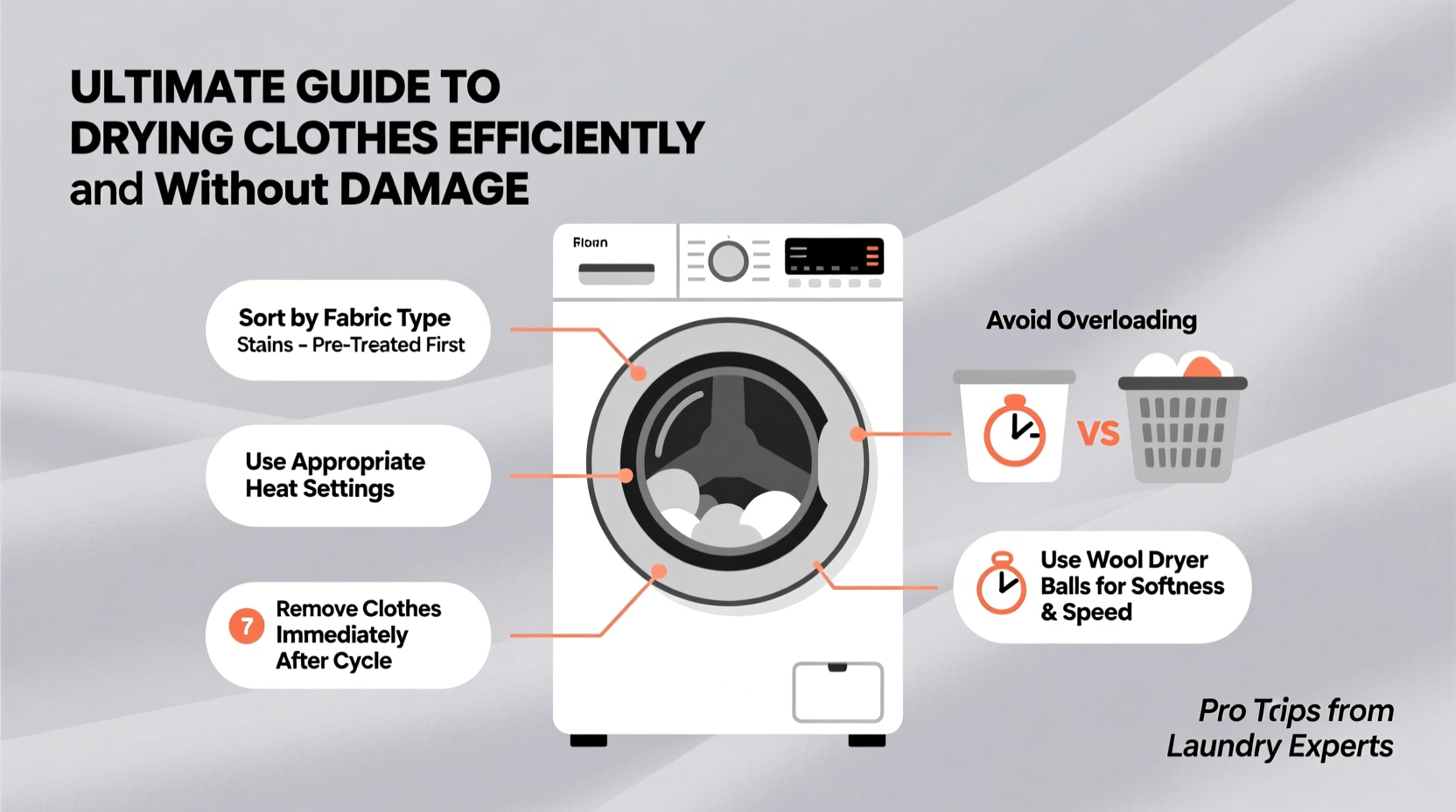 Modern dryers come with a range of settings tailored to different fabrics and load sizes. Using the right cycle isn’t just about convenience—it directly affects drying speed, energy consumption, and fabric integrity.
- Cotton/Regular: Best for towels, jeans, and sturdy cotton items. Uses high heat for faster drying.
- Permanent Press: Medium heat with a cool-down period to reduce wrinkles in synthetic blends and wrinkle-resistant fabrics.
- Delicate/Gentle: Low heat ideal for lingerie, lace, and thin knits. Prevents overheating and stretching.
- Air Fluff (No Heat): Circulates room-temperature air to refresh clothes, remove dust, or de-wrinkle items without adding moisture.
- Sensor Dry: Automatically stops when clothes are dry, preventing over-drying and saving energy.
Sort Clothes Strategically Before Drying
Just as you sort laundry before washing, sorting before drying improves efficiency and protects your clothes. Grouping by weight, thickness, and fabric type ensures even drying and minimizes damage.“Improper sorting leads to some clothes being overdried while others remain damp—this imbalance causes stress on both the machine and the garments.” — Dr. Lena Torres, Textile Scientist at Home Appliance Research Institute
Recommended Sorting Guidelines
| Group | Fabrics Included | Drying Tips |
|---|---|---|
| Heavyweight | Towels, jeans, sweatshirts | Use high heat; dry separately from lighter items |
| Medium Weight | Cotton shirts, pants, bedding | Medium heat or permanent press setting |
| Lightweight/Delicates | Synthetics, lingerie, workout gear | Low heat or air fluff; use mesh bags if needed |
| Blends | Polyester-cotton mixes, rayon | Check care labels; often best on medium heat |
Step-by-Step Guide to Efficient and Safe Drying
Follow this proven sequence to get optimal results every time:- Remove Excess Moisture First: Ensure your washer has completed a full spin cycle. The drier the clothes are going in, the less time and energy the dryer needs.
- Shake Out Wrinkles: Give each item a quick shake before loading. This separates fibers and allows better airflow.
- Load Evenly, Not Overstuffed: Fill the drum no more than ¾ full. Overloading restricts tumbling and traps moisture.
- Select the Right Cycle: Match the fabric type to the appropriate heat and time setting. Use sensor dry whenever possible.
- Add Dryer Balls or Clean Tennis Balls: These help separate clothes, improve airflow, and reduce drying time by up to 25%.
- Clean the Lint Filter After Every Load: A clogged filter forces the dryer to work harder, increasing drying time and fire risk.
- Inspect the Vent System Monthly: Check the exhaust duct for kinks, lint buildup, or blockages. Poor ventilation is a leading cause of inefficiency and safety hazards.
- Remove Clothes Promptly: Take clothes out as soon as the cycle ends to prevent wrinkles and musty odors.
Common Mistakes That Damage Clothes and Waste Energy
Even experienced users make these errors regularly. Avoiding them will save money and protect your wardrobe.- Using High Heat for Everything: High temperatures can shrink cotton, melt synthetics, and weaken elastic in underwear and sportswear.
- Ignoring Care Labels: Some fabrics, like wool or silk, should never go in the dryer—even on low heat.
- Leaving Wet Loads Sitting: Delayed drying encourages mildew growth and sets in odors.
- Skipping Lint Filter Cleaning: The U.S. Fire Administration reports that failure to clean lint filters is a top cause of dryer fires.
- Drying Shoes or Heavy Items Alone: These unbalance the drum and strain the motor. If necessary, dry them with towels to cushion impact.
Real Example: How Sarah Reduced Drying Time by 40%
Sarah, a busy mother of two in Portland, used to run her dryer twice daily. Her clothes often came out wrinkled, partially damp, or shrunken. After consulting an energy auditor, she made three key changes:- She began sorting loads strictly by weight and fabric.
- She replaced her old dryer balls with wool ones and added them to every load.
- She cleaned the entire vent line, which had not been touched in over five years.
Drying Do’s and Don’ts at a Glance
| Do’s | Don’ts |
|---|---|
| Use dryer balls to boost airflow | Overload the dryer drum |
| Clean the lint filter every time | Use high heat on delicates |
| Check pockets for tissues or plastic | Dry foam-backed rugs or rubber items |
| Use lower heat and longer cycles for longevity | Ignore musty smells—this indicates mold or poor ventilation |
| Hang-dry extremely delicate or labeled “lay flat” items | Assume all “dry clean” items are safe in the dryer |
FAQ: Common Questions About Dryer Efficiency
Can I dry all cotton clothes on high heat?
Not necessarily. While cotton is durable, repeated high-heat drying can cause shrinkage and fiber breakdown. New cotton garments, especially those not pre-shrunk, are most vulnerable. For long-term care, use medium heat and remove slightly damp, then air-dry the rest of the way.
How often should I clean my dryer vent?
At minimum, inspect and clean the entire vent system once a year. Homes with frequent dryer use, pets, or long exhaust ducts should do it every 6 months. A professional cleaning service can ensure deep removal of lint from hard-to-reach areas.
Are dryer sheets bad for clothes or machines?
They’re not inherently harmful, but they leave a waxy residue that can coat the lint filter and moisture sensors over time, reducing efficiency. Consider switching to reusable wool dryer balls or vinegar-soaked cloths for a residue-free alternative.
Final Checklist for Optimal Dryer Use
Before starting your next load, run through this quick checklist:- ☑ Sorted clothes by weight and fabric type
- ☑ Empty pockets checked (no tissues, receipts, pens)
- ☑ Lint filter cleaned and reinserted
- ☑ Dryer balls or alternatives added
- ☑ Correct cycle and heat level selected
- ☑ Vent hose is straight, not kinked or crushed
- ☑ Drum not overloaded (you should be able to place a hand on top of the load freely)




 浙公网安备
33010002000092号
浙公网安备
33010002000092号 浙B2-20120091-4
Comments
No comments yet. Why don't you start the discussion?