
Eco poufs have become a staple in modern homes—not just for their stylish appearance, but for their environmental benefits and functional comfort. Unlike traditional furniture filled with synthetic foams or non-recyclable materials, eco poufs are designed with sustainability in mind. However, the key to unlocking both plush comfort and lasting resilience lies in how you fill them. A poorly filled pouf will flatten quickly, lose support, and require frequent refills. The right filling method, on the other hand, ensures your pouf remains supportive, moldable, and durable for years.
This comprehensive guide walks through every critical step of filling an eco pouf properly—from choosing sustainable materials to mastering layering techniques and maintaining structural integrity over time.
Why Proper Filling Matters
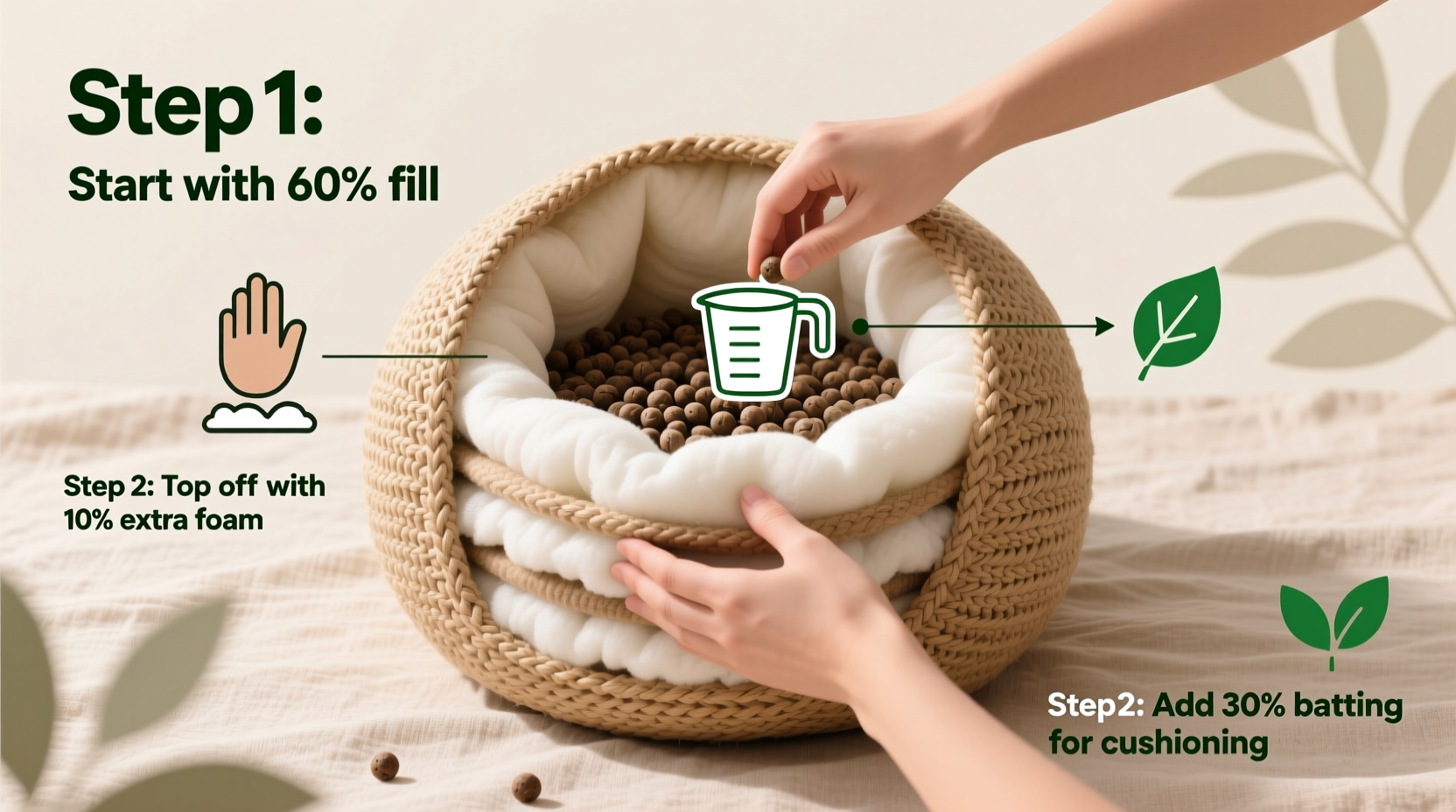
The filling is the soul of any pouf. While the outer fabric may catch the eye, it’s the interior that determines how the pouf feels under use. Most commercially available poufs come pre-filled with polystyrene beads or shredded foam, which degrade over time, emit microplastics, and lack breathability. Eco-conscious alternatives focus on natural, biodegradable, or recyclable fillers that offer comparable comfort without the environmental cost.
Proper filling ensures:
- Consistent shape retention
- Better weight distribution and ergonomic support
- Reduced settling and compaction
- Improved airflow and moisture resistance
- Longer lifespan with fewer refills
Selecting the Right Eco-Friendly Filling Material
Not all “eco” fillings are created equal. Some are marketed as green but still involve high energy consumption or limited recyclability. Below is a comparison of common sustainable options based on comfort, durability, and environmental impact.
| Filling Type | Comfort Level | Durability (Years) | Biodegradable? | Best For |
|---|---|---|---|---|
| Recycled PET Fiber (from plastic bottles) | Medium-High | 3–5 | No, but recyclable | Indoor lounging, kids’ rooms |
| Natural Kapok Fiber | High | 2–4 | Yes | Lightweight seating, bohemian decor |
| Organic Buckwheat Hulls | Low-Medium (firm) | 5+ | Yes | Meditation, floor seating, posture support |
| Shredded Natural Latex | Very High | 6–8 | Partially (slow breakdown) | Luxury seating, allergy-sensitive users |
| Hemp or Cotton Wool Blend | Medium | 3–4 | Yes | Decorative accent poufs |
Kapok fiber, harvested from the seed pods of tropical trees, offers a silky softness similar to down but without animal products. It’s water-resistant and naturally antimicrobial, making it ideal for humid climates. Buckwheat hulls provide firm, orthopedic support and excellent airflow—perfect for users who want a stable base without sinking in too deeply.
“Choosing the right filler isn’t just about comfort—it’s about aligning material performance with lifestyle needs. A meditation pouf should support posture; a living room lounger should invite relaxation.” — Dr. Lena Torres, Sustainable Furniture Designer
Step-by-Step Guide to Filling Your Eco Pouf
Whether you're refilling an old pouf or assembling a new cover, follow this detailed process for optimal results.
- Prepare your workspace: Choose a clean, dry area with good ventilation. Lay down a tarp or large cloth to catch spills.
- Inspect the inner liner: Many eco poufs have a double-layer design—a removable outer cover and an inner waterproof liner. Ensure the liner is sealed and free of tears.
- Weigh your filling: Use a kitchen or postal scale to measure portions. Start with 70% of the intended volume to allow room for adjustment.
- Add in layers: Pour a third of the filling, then shake the pouf gently to distribute evenly. Repeat twice more, pausing between each to assess firmness.
- Test before sealing: Sit on the pouf or press firmly with your hands. It should compress slightly but rebound within seconds. Add more filling if too soft; remove some if rigid.
- Seal securely: Close the zipper or drawstring completely. If using a tie closure, knot it twice and trim excess cord.
- Condition the pouf: Let it rest upright for 24 hours. This allows fibers to settle naturally and air pockets to stabilize.
Maintaining Long-Term Comfort and Durability
An eco pouf isn’t maintenance-free. Like any upholstered item, it responds to use patterns, humidity, and cleaning habits. To extend its life:
- Fluff daily by squeezing and reshaping—especially after prolonged sitting.
- Avoid placing near radiators or damp basements; extreme temperatures degrade natural fibers.
- Spot clean with mild soap and water; never saturate the filling.
- Refill every 12–18 months depending on usage. Top-ups of 10–15% restore loft without full replacement.
If using organic materials like kapok or cotton wool, be vigilant for signs of moisture buildup. A musty smell indicates trapped humidity—remove the filling immediately, dry thoroughly in indirect sunlight, and inspect for mold before reinserting.
Mini Case Study: Reviving a Flattened Living Room Pouf
Sophie from Portland owned a popular hemp-covered floor pouf she’d used daily for three years. Over time, it became lopsided and sunken, losing its original rounded shape. She assumed it was beyond repair—until she opened the inner liner and discovered her recycled PET filling had compacted into dense clumps.
Following the layered refill method, she removed half the old fiber, added 1.2 lbs of fresh buckwheat hulls for structure, then topped it with loose kapok for softness. After 48 hours of conditioning, the pouf regained its supportive bounce. Two years later, she performs only annual top-offs and rotates it monthly. Her experience shows that smart refilling can outperform buying new.
Frequently Asked Questions
Can I mix different types of eco fillings?
Yes, and it’s often recommended. Combining materials—like buckwheat hulls at the base with kapok on top—creates a balanced feel: supportive yet soft. Just ensure compatibility in moisture resistance and density to prevent uneven settling.
How do I know when it’s time to refill?
Signs include visible sagging, slow rebound after pressure, or a hollow sound when tapped. If the pouf no longer supports your posture comfortably, it’s likely lost 30% or more of its original volume.
Is it safe to wash an eco pouf with natural filling?
No. Most natural and recycled fillers should never be submerged. Always remove the filling before cleaning the outer cover. Washing the filling can cause clumping, shrinkage, or decomposition.
Final Checklist: Filling Success in 7 Steps
- Choose an eco-friendly filler suited to your use case
- Verify the integrity of the inner liner
- Measure initial fill amount (start at 70%)
- Add filling in three even layers with distribution breaks
- Test firmness by sitting and adjusting as needed
- Seal closure tightly and allow 24-hour conditioning
- Schedule regular fluffing and annual top-offs
Conclusion: Build Comfort That Lasts—and Lasts Responsibly
Filling an eco pouf correctly transforms it from a temporary decor piece into a lasting investment in comfort and sustainability. By selecting high-performance natural materials, applying thoughtful layering techniques, and committing to simple maintenance, you preserve both function and environmental integrity.
Your choices today affect not just the quality of your living space, but the broader footprint of home furnishings. Every properly filled pouf is a small act of conscious consumerism—one that supports ethical production, reduces waste, and enhances everyday well-being.




 浙公网安备
33010002000092号
浙公网安备
33010002000092号 浙B2-20120091-4
Comments
No comments yet. Why don't you start the discussion?