
Baking potatoes to achieve a golden, shatteringly crisp exterior while maintaining a fluffy interior is a culinary goal many home cooks strive for—and often fall short of. The difference between soggy, pale spuds and crackling, deeply browned wedges lies not in luck, but in understanding the science and technique behind crispiness. This comprehensive guide reveals the essential principles, practical steps, and pro-level adjustments that consistently deliver perfectly crispy baked potatoes.
The Science Behind Crispy Potatoes
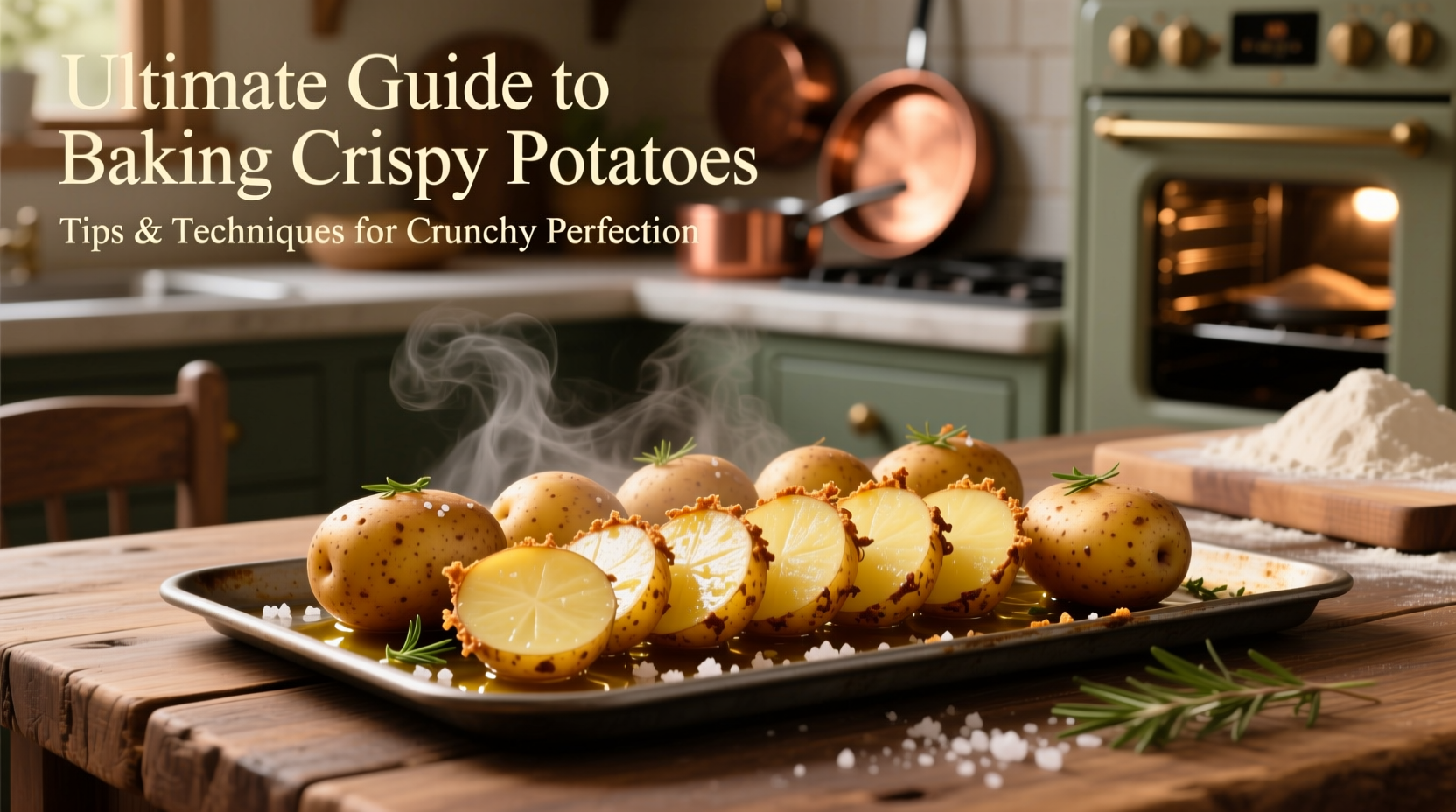
Crispiness in baked potatoes is the result of moisture removal and surface browning through the Maillard reaction—a chemical process that occurs when proteins and sugars are exposed to high heat. For maximum crunch, you need three key elements: dryness, heat, and space. Moisture on or near the potato’s surface inhibits browning and promotes steaming instead of crisping. High, consistent oven temperature (ideally 425°F/220°C or higher) drives off water quickly and encourages caramelization. Finally, proper spacing ensures hot air circulates around each piece, preventing steam buildup.
Starch plays a critical role as well. High-starch varieties like Russets naturally produce fluffier interiors and crisper skins when baked correctly. The starch granules absorb water during cooking, then burst and gelatinize, forming a crust when dehydrated under heat.
“Crispiness isn’t just about temperature—it’s about managing moisture at every stage, from prep to plating.” — Chef Marcus Reed, Culinary Instructor at Pacific Food Arts
Step-by-Step Guide to Perfectly Crispy Baked Potatoes
Follow this detailed sequence to maximize crispness from start to finish:
- Choose the right potato: Opt for high-starch types such as Russet, King Edward, or Maris Piper. These have lower moisture content and higher starch levels, ideal for browning.
- Wash and dry thoroughly: Scrub the potatoes clean, then pat them completely dry. Any residual water will hinder crisping.
- Parboil for texture control (optional but recommended): Cut potatoes into even-sized pieces. Boil in salted water for 5–7 minutes until slightly tender at the edges but still firm in the center. This pre-gelatinizes the outer layer, creating a receptive surface for crisping.
- Rough up the surface: After draining, return the potatoes to the hot pot and shake gently over low heat for 30 seconds. This creates a starchy, fluffy exterior—essential for maximum crunch.
- Toss with fat and seasoning: Use a high-smoke-point oil like duck fat, refined avocado oil, or clarified butter. Coat evenly—about 1–2 tablespoons per pound of potatoes. Add salt, pepper, and optional seasonings like garlic powder or smoked paprika.
- Preheat baking sheet: Place a heavy-duty metal tray or cast-iron skillet in the oven while it heats to 425°F (220°C). A hot surface jump-starts searing the moment the potatoes hit it.
- Arrange with space: Remove the hot pan, add a small amount of oil to prevent sticking, then carefully place potatoes in a single layer with at least ½ inch between pieces. Crowding causes steaming.
- Bake 35–50 minutes: Roast until deeply golden and crisp on all sides, flipping halfway through. Rotate the pan if needed for even browning.
- Finish under the broiler (optional): For extra crunch, broil for 2–3 minutes at the end, watching closely to avoid burning.
- Serve immediately: Crispiness fades quickly. Plate right away to enjoy peak texture.
Do’s and Don’ts of Baking Crispy Potatoes
| Do | Don’t |
|---|---|
| Use a wire rack on a baking sheet for elevated airflow | Use parchment paper unless necessary—it traps steam |
| Preheat both oven and baking vessel | Start roasting in a cold oven |
| Flip potatoes halfway through cooking | Stir too frequently—disrupts crust formation |
| Season after coating with oil | Add salt too early during boiling—it can break down structure |
| Let potatoes cool slightly before storing leftovers | Refrigerate while still warm—creates condensation and sogginess |
Real Example: From Soggy to Spectacular
Sarah, a home cook in Portland, struggled for months with limp, unevenly cooked potato wedges. She followed recipes precisely but ended up with soft bottoms and pale exteriors. After learning about preheating her baking sheet and roughing up boiled potatoes, she adjusted her method. She started parboiling her Russets for six minutes, shaking them in the dry pot, then transferring them to a scorching-hot cast-iron skillet coated with duck fat. The result? A dramatic transformation: deeply golden, audibly crisp wedges with cloud-like centers. “I didn’t realize how much the pan’s initial heat mattered,” she said. “Now my family requests these twice a week.”
Pro Tips for Consistent Crunch
- Room temperature start: Cold potatoes straight from the fridge lower the pan’s temperature and delay crisping. Let them sit out for 15–20 minutes after prepping.
- Avoid overcrowding: If needed, use two pans instead of piling potatoes together. Airflow is non-negotiable.
- Oil choice matters: Neutral oils work, but animal fats like duck fat or beef tallow add flavor and superior browning due to their natural emulsifiers and high smoke points.
- Double roast for extra crunch: Some chefs recommend removing potatoes after initial baking, chilling them briefly, then reheating at high heat. This further dehydrates the surface.
- Use convection if available: Convection ovens circulate hot air, reducing moisture and accelerating crisping by up to 25%.
Frequently Asked Questions
Can I make crispy potatoes without parboiling?
Yes, but it takes longer and requires precise slicing. Thin, uniform cuts (like fries or chips) can crisp directly in the oven at high heat. For larger chunks, skipping parboiling risks an undercooked center by the time the outside browns. Parboiling remains the most reliable method for balanced texture.
Why are my potatoes browning but not crispy?
Browning comes from sugar caramelization, but crispiness requires dehydration. If your potatoes look dark but feel soft or chewy, they likely retained too much internal moisture. Try increasing spacing, using a hotter oven, or extending bake time with occasional stirring to expose more surface area.
Can I prepare crispy potatoes ahead of time?
You can prep up to the baking stage—cut, parboil, and toss with oil—then refrigerate for up to 24 hours. Bring to room temperature before roasting. Fully cooked potatoes lose crispness upon reheating, though they can be revived briefly in a 450°F (230°C) oven or air fryer.
Essential Checklist for Crispy Potato Success
- ☑ Select high-starch potatoes (Russet, King Edward)
- ☑ Wash and dry potatoes completely
- ☑ Parboil for 5–7 minutes (for wedges/chunks)
- ☑ Rough up the surface after draining
- ☑ Preheat oven and baking sheet to 425°F (220°C)
- ☑ Use sufficient high-smoke-point fat
- ☑ Arrange in single layer with space between
- ☑ Flip once halfway through baking
- ☑ Serve immediately for best texture
Conclusion
Perfectly crispy baked potatoes aren’t reserved for professional kitchens. With attention to moisture control, heat management, and surface preparation, anyone can achieve that satisfying crunch with a tender, fluffy interior. The techniques outlined here—parboiling, drying, preheating, and strategic oil use—are grounded in food science and tested in real kitchens. Whether you’re making simple roasted wedges or elegant hasselback potatoes, these principles apply across styles and recipes.




 浙公网安备
33010002000092号
浙公网安备
33010002000092号 浙B2-20120091-4
Comments
No comments yet. Why don't you start the discussion?