
Baking the perfect mm cookie—soft in the center, crisp around the edges, rich in chocolatey flavor—is more than just following a recipe. It’s about understanding ingredients, mastering technique, and fine-tuning your process for consistent results. Whether you're a beginner or an experienced home baker, achieving that ideal balance of chewiness and crunch requires attention to detail. This guide breaks down every step, from selecting ingredients to pulling golden-brown cookies out of the oven, so you can bake with confidence and pride.
The Science Behind the Perfect Texture
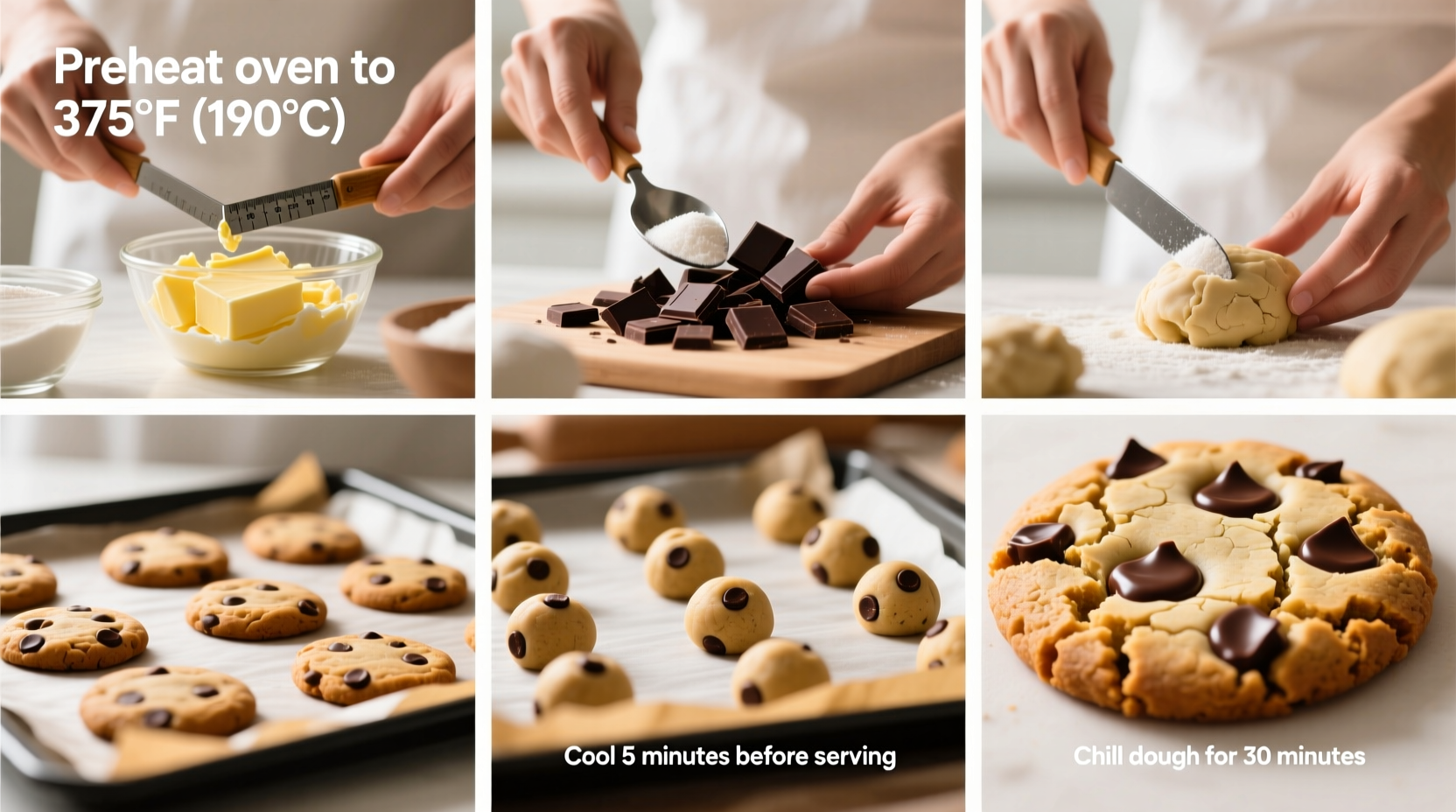
The magic of a great mm cookie lies in its texture contrast. A crisp outer edge gives way to a tender, slightly gooey center—a result of precise ingredient ratios and controlled baking conditions. The key factors are moisture content, sugar type, fat composition, and oven temperature.
Butter plays a crucial role. When creamed properly with sugar, it traps air, contributing to lift and structure. Brown sugar adds moisture due to its molasses content, promoting softness and chew. Granulated sugar, on the other hand, encourages spreading and crispness. The ratio between the two determines how soft or crunchy your cookies turn out.
Eggs add moisture and protein, helping bind the dough while contributing to structure. Too much egg can make cookies cakey; too little can make them dry. One large egg is typically sufficient for a standard batch of 24 cookies.
Essential Ingredients and Why They Matter
Not all ingredients are created equal. Choosing high-quality components makes a noticeable difference in flavor and texture.
- Butter: Unsalted, real butter allows better control over salt levels and delivers superior flavor. Always use room-temperature butter for proper creaming.
- Flour: All-purpose flour works best. Avoid bread or cake flour unless adjusting the entire recipe. Over-measuring flour is a common mistake—use the spoon-and-level method.
- Chocolate: High-cocoa, high-fat chocolate melts beautifully and distributes evenly. Chopping a quality bar often beats using pre-made chips.
- Leaveners: Baking soda helps cookies spread and brown; baking powder adds slight lift. For flat, crisp-edged cookies, rely primarily on baking soda.
- Salt: Enhances sweetness and depth. Consider adding a pinch of flaky sea salt on top before baking for gourmet appeal.
“Great cookies start with respect for ingredients. Temperature, freshness, and proportion—all non-negotiables.” — Chef Marcus Lee, Pastry Instructor at Boston Culinary Academy
Step-by-Step Guide to Baking Perfection
Follow this detailed timeline to ensure flawless execution every time.
- Prep (10 minutes): Preheat oven to 375°F (190°C). Line baking sheets with parchment paper or silicone mats.
- Cream butter and sugars (3–5 minutes): Use a stand mixer or hand mixer. Beat until light and fluffy—this incorporates air for structure.
- Add egg and vanilla (1 minute): Mix just until combined. Overmixing develops gluten, leading to tough cookies.
- Incorporate dry ingredients (2 minutes): Whisk flour, baking soda, and salt together, then gradually mix into wet ingredients. Stop as soon as no streaks remain.
- Fold in chocolate (1 minute): Use chopped chocolate or a mix of chips and chunks for varied texture.
- Chill dough (minimum 30 minutes, ideally 1 hour): Prevents excessive spreading and deepens flavor.
- Scoop and space (5 minutes): Use a cookie scoop for even portions. Leave at least 2 inches between balls.
- Bake (9–11 minutes): Rotate pans halfway through. Remove when edges are golden but centers still look slightly underdone.
- Cool (10 minutes): Let cookies rest on the baking sheet for 5 minutes before transferring to a wire rack.
Common Pitfalls and How to Avoid Them
Even experienced bakers encounter issues. Here’s a breakdown of frequent problems and their solutions.
| Issue | Possible Cause | Solution |
|---|---|---|
| Cookies spread too much | Dough too warm, butter too soft, or insufficient flour | Chill dough 30+ minutes; measure flour correctly |
| Cookies are too cakey | Too much egg or leavening, over-mixing | Stick to one egg; avoid over-beating after adding flour |
| No crisp edges | Oven too cool, under-baked, or too much brown sugar | Use oven thermometer; adjust sugar ratio; bake slightly longer |
| Uneven baking | Overcrowded trays or uneven oven heat | Leave space between cookies; rotate pans mid-bake |
| Flat, greasy cookies | Butter melted during mixing or re-melting after chilling | Ensure butter is softened—not melted—and chill dough thoroughly |
Real Example: From Flop to Gourmet Batch
Sarah, a home baker in Portland, struggled for months with cookies that either turned rock-hard or collapsed into puddles. Her breakthrough came when she started weighing her flour instead of scooping directly from the bag. She was unknowingly adding 20% more flour, drying out her dough. After switching to a kitchen scale and chilling her dough for one hour, her cookies transformed. She also began using a mix of dark chocolate chunks and mini chips, which improved melt and mouthfeel. Now, her cookies are a hit at local bake sales—consistently praised for their crisp exterior and soft, fudgy core.
Pro Checklist for Success
Before you start baking, run through this essential checklist:
- ✅ Butter at room temperature (should indent slightly when pressed)
- ✅ Oven preheated with verified temperature (use an oven thermometer)
- ✅ Flour measured correctly (spooned and leveled or weighed)
- ✅ Dough chilled for at least 30 minutes
- ✅ Baking sheets lined with parchment or silicone
- ✅ Cookie scoop ready for uniform sizing
- ✅ Timer set and plan to rotate pans halfway
Frequently Asked Questions
Can I freeze the cookie dough?
Absolutely. Portion the dough into balls and freeze on a tray. Once solid, transfer to a sealed container. Bake straight from frozen—add 1–2 minutes to baking time. This method often produces even better texture due to slower melting and controlled spread.
Why do my cookies flatten in the oven?
Overly soft or melted butter is the most common culprit. Additionally, skipping the chill step, using old baking soda, or having an inaccurate oven temperature can contribute. Always test your oven with a thermometer and replace leaveners every 6 months.
Can I substitute margarine for butter?
It’s not recommended. Margarine contains more water and less fat, which alters texture and promotes spreading. The flavor will also lack richness. For best results, stick to real unsalted butter.
Mastery Starts in Your Kitchen
Baking the perfect soft-and-crispy mm cookie isn’t reserved for professionals. With the right ingredients, careful technique, and a bit of patience, anyone can achieve bakery-quality results at home. The beauty of this process lies in its repeatability—each batch teaches you something new. Whether you’re baking for family, friends, or just yourself, there’s satisfaction in pulling a tray of golden, fragrant cookies from the oven, knowing you’ve mastered the balance of science and art.




 浙公网安备
33010002000092号
浙公网安备
33010002000092号 浙B2-20120091-4
Comments
No comments yet. Why don't you start the discussion?