
A luxury watch is more than a timepiece—it’s a statement of taste, precision, and legacy. While much attention is given to the movement and dial, the band plays an equally vital role in both comfort and aesthetics. Whether crafted from stainless steel, leather, rubber, or exotic skins, a watch band endures daily wear, sweat, UV exposure, and environmental stress. Without proper care, even the finest materials degrade prematurely. Understanding how to maintain your band ensures it ages gracefully, retains its value, and continues to complement your style for years.
Understanding Your Watch Band Material
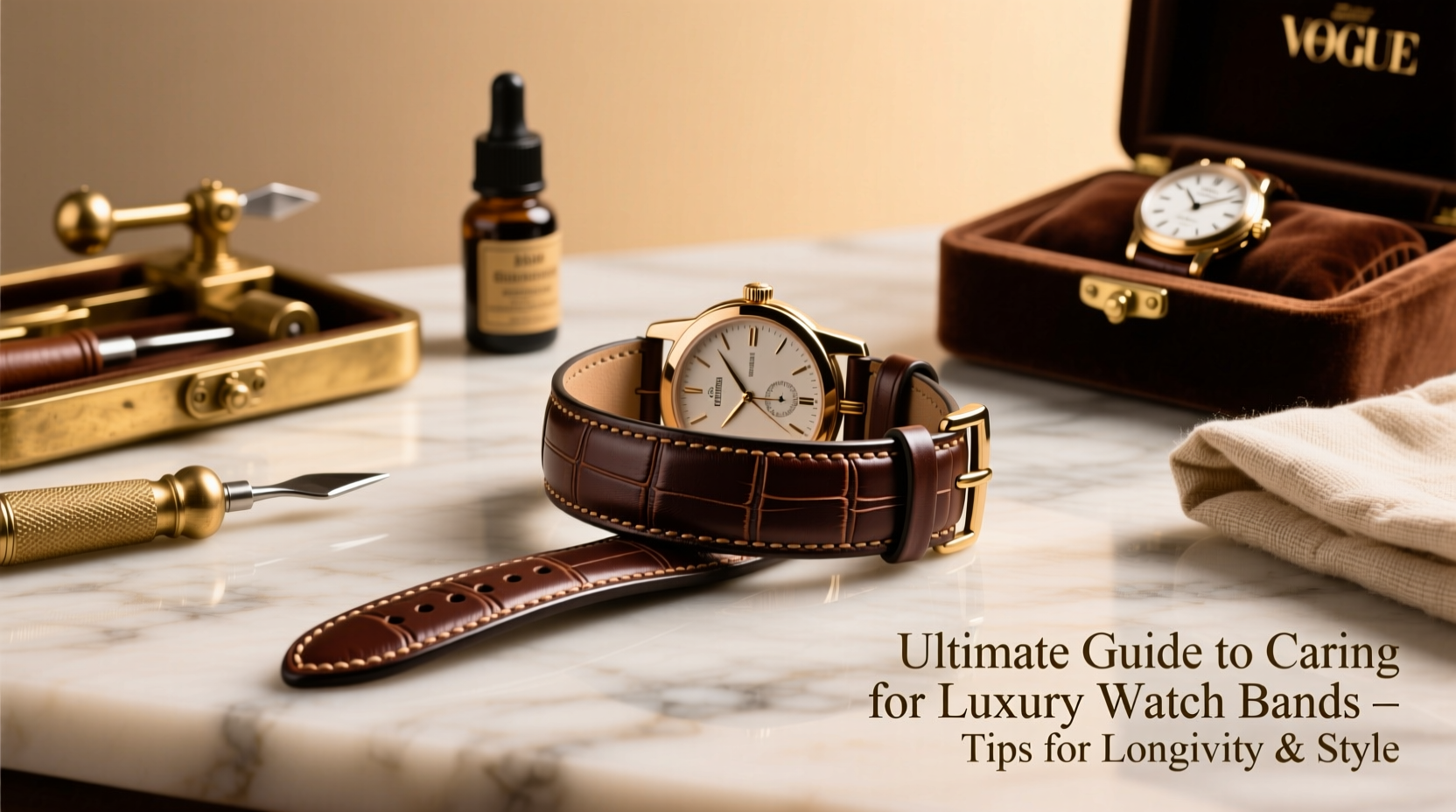
Luxury watch bands come in several high-end materials, each with unique properties and maintenance needs. Recognizing what your band is made of is the first step toward effective care.
- Stainless Steel: Durable and corrosion-resistant, but prone to scratches and grime buildup in links.
- Leather (Calfskin, Alligator, Ostrich): Elegant and comfortable, but vulnerable to moisture, oils, and UV damage.
- Rubber/Silicone: Modern, sporty, and water-resistant, yet susceptible to drying and discoloration over time.
- Gold or Precious Metals: High-luster finishes require gentle cleaning to avoid micro-scratches.
- Fabric/NATO Straps: Breathable and versatile, but absorb sweat and stains easily.
“Most watch owners overlook the band until it shows visible wear. But material-specific care from day one can extend its life by five to ten years.” — Julian Moreau, Master Watchmaker at Geneva Horlogerie Institute
Daily Maintenance Routines by Material
Preventive care is the cornerstone of longevity. Simple daily habits drastically reduce long-term damage.
Stainless Steel & Metal Bands
Wipe with a soft, dry cloth after each use. Once a week, use a soft toothbrush with mild soapy water to clean between links. Rinse thoroughly and dry immediately with a lint-free cloth. Avoid abrasive cloths that scratch polished surfaces.
Leather Bands
Rotate leather straps regularly—never wear the same one two days in a row. This allows the material to breathe and recover from moisture absorption. After removal, wipe gently with a dry microfiber cloth. Store in a cool, ventilated area away from direct sunlight.
Rubber & Silicone
Clean weekly with lukewarm water and a drop of pH-neutral soap. Use a soft brush for textured surfaces. Dry flat—never near a heat source. Inspect annually for micro-cracks, especially around the lugs.
Fabric Straps
Hand-wash monthly using cold water and mild detergent. Air-dry completely before reattaching. Consider keeping multiple straps for rotation, reducing strain on any single band.
Deep Cleaning: A Step-by-Step Guide
Even with regular wiping, grime accumulates. A thorough deep clean every 3–6 months restores appearance and hygiene.
- Remove the band: Use a spring bar tool to detach it from the watch head. This prevents water or cleaner from seeping into the case.
- Assess condition: Check for fraying, discoloration, or weakened stitching. If damage is present, consider professional repair.
- Choose the right method:
- For metal: Soak in warm, soapy water for 5 minutes. Scrub with a soft brush. Dry meticulously.
- For leather: Use a specialized leather cleaner applied with a cotton swab. Never submerge.
- For rubber: Use isopropyl alcohol (70%) on a cloth to disinfect and remove oxidation.
- Recondition: Apply leather conditioner sparingly if needed. For metal, use a jewelry polishing cloth to restore shine—avoid chemical polishes unless necessary.
- Reattach carefully: Ensure spring bars are fully seated and secure before wearing.
Storage Best Practices for Longevity
How you store your watch when not in use affects the band’s lifespan as much as daily wear.
| Material | Recommended Storage | Avoid |
|---|---|---|
| Leather | In a breathable fabric pouch, lying flat | Plastic bags, humid drawers, folded positions |
| Stainless Steel | On a padded watch roll or in a lined box | Pile storage where links can tangle or scratch |
| Rubber | Cool, dark drawer away from ozone sources | Near printers, motors, or direct sunlight |
| Fabric | Clean, dry shelf with airflow | Enclosed spaces where mildew can form |
Common Mistakes That Damage Luxury Watch Bands
Even seasoned collectors make errors that compromise their investment. Avoid these pitfalls:
- Wearing the same strap daily: Leather fatigues faster without rest periods.
- Using household cleaners: Bleach, ammonia, or alcohol-based wipes degrade adhesives and finishes.
- Ignoring clasp wear: Bent clasps or worn pins can lead to accidental loss.
- Exposing leather to water: Even brief contact can cause stiffness, cracking, or mold.
- Over-polishing metal: Each polish removes a microscopic layer, thinning links over time.
“I once restored a vintage Patek Philippe with original alligator strap still intact—because the owner rotated three straps and stored them properly. Small habits yield big results.” — Sofia Renard, Vintage Watch Conservator
Case Study: Preserving a Decade-Old Omega Seamaster
Mark T., a collector from Zurich, has worn his Omega Seamaster daily since 2014. The watch remains in exceptional condition, particularly the rubber strap, which most would expect to degrade within five years.
His routine: He rotates between two OEM rubber straps and a NATO backup. Every six weeks, he cleans the current strap with soapy water and a soft brush. After drying, he stores the spare in a cedar-lined watch box with humidity control. When traveling, he uses a dedicated travel roll with individual compartments.
The result? No cracking, fading, or odor—uncommon for a rubber strap past eight years. Mark attributes this success to consistency, not complexity. “I treat the band like part of the watch, not an accessory,” he says. His approach proves that disciplined care trumps expensive products.
Essential Care Checklist
Keep this checklist handy for monthly maintenance:
- Inspect stitching, clasp, and attachment points for wear.
- Wipe down the entire band with a dry microfiber cloth.
- Clean according to material guidelines (weekly or monthly).
- Check for odor, stiffness, or discoloration.
- Rotate to a fresh band if applicable.
- Store in a protective case or pouch.
- Condition leather straps every 3–4 months.
Frequently Asked Questions
How often should I replace my luxury watch band?
With proper care, a high-quality leather band lasts 1–3 years with rotation; rubber lasts 3–5 years; metal can last decades with cleaning and occasional refinishing. Replace when signs of structural weakness appear—not just cosmetic wear.
Can I swim with a leather watch strap?
No. Even water-resistant leather absorbs moisture, leading to warping, staining, and bacterial growth. Always switch to rubber, nylon, or metal for aquatic activities.
Is it safe to use a hairdryer to dry a wet band?
Absolutely not. Heat accelerates material breakdown. Always air-dry at room temperature, away from direct sunlight or heaters.
Final Thoughts: Elevate Your Watch Care Philosophy
A luxury watch band is not disposable—it’s integral to the identity of your timepiece. Treating it with the same reverence as the movement reflects true appreciation for craftsmanship. Longevity doesn’t come from luck; it comes from informed, consistent care. Whether you own a Rolex Oyster, a Jaeger-LeCoultre with alligator, or a modern TAG Heuer with silicone, your habits shape its journey.




 浙公网安备
33010002000092号
浙公网安备
33010002000092号 浙B2-20120091-4
Comments
No comments yet. Why don't you start the discussion?