
Fashion bracelets have evolved from simple accessories into bold statements of personal style. Among the most eye-catching trends are multi-layered bracelet stacks—elegant combinations of bangles, chains, cuffs, and beads that wrap around the wrist in curated harmony. But with beauty comes responsibility: layered bracelets face more friction, tangling, and exposure to elements than single pieces. Without proper care, they can tarnish, break, or lose their luster. This comprehensive guide delivers expert-backed strategies for maintaining, storing, and styling your multi-layer fashion bracelets so they remain radiant, durable, and effortlessly chic.
Understanding Your Bracelet Materials
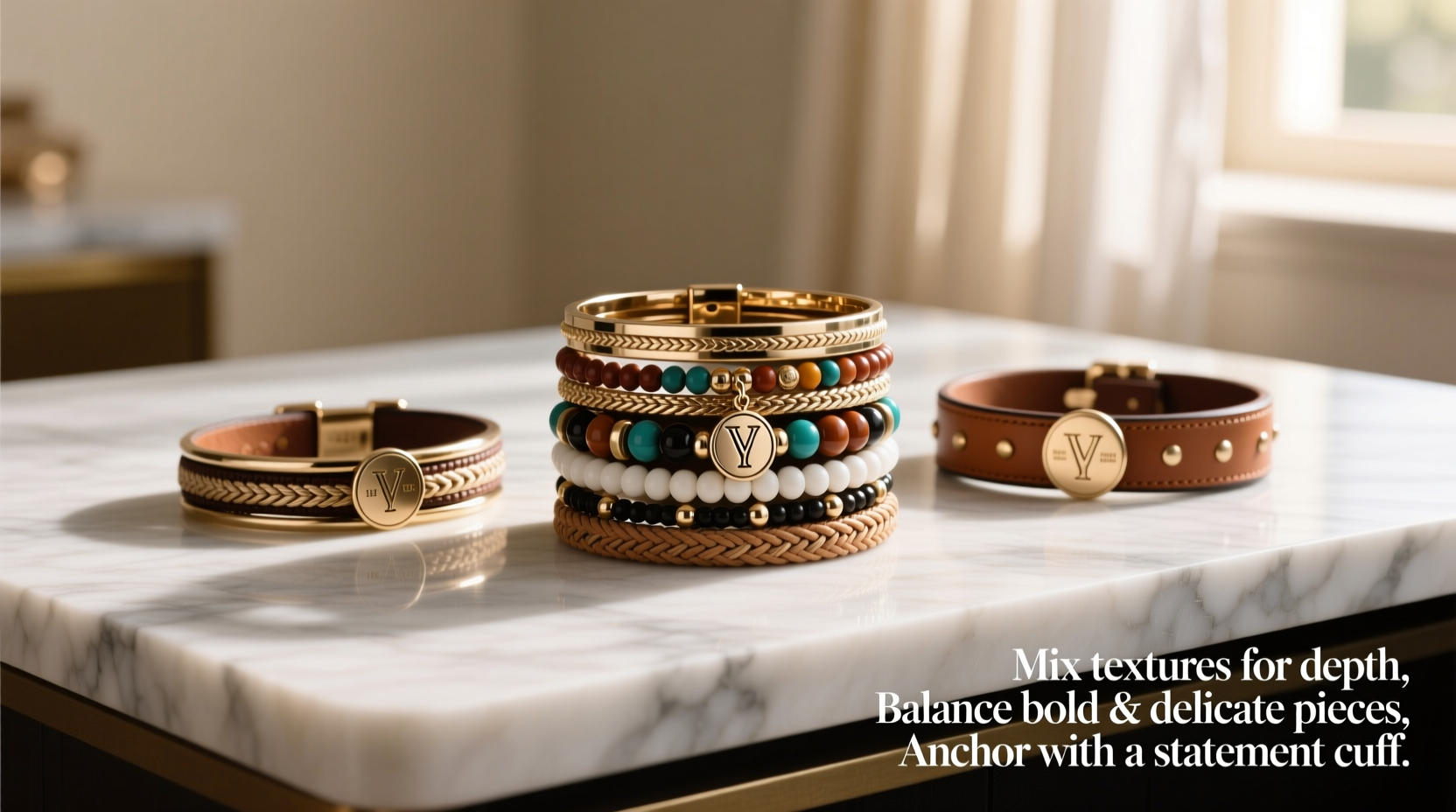
Before diving into care routines, it’s essential to identify what your bracelets are made of. Different materials require distinct handling methods. Common components in multi-layer sets include:
- Stainless steel: Resistant to tarnish and water, ideal for daily wear.
- Sterling silver: Prone to oxidation; requires regular polishing.
- Gold-plated metals: Delicate surface layer—avoid moisture and chemicals.
- Leather or fabric cords: Sensitive to water and sweat; best removed during exercise.
- Precious or semi-precious stones: Some gems (like opal or turquoise) are soft and can scratch easily.
Mixing materials in a stack adds visual interest but increases maintenance complexity. A stainless steel chain next to a gold-plated bangle may cause micro-scratches over time due to differences in hardness.
Daily Maintenance: Preserving Shine and Structure
Prevention is the cornerstone of jewelry longevity. Incorporating small habits into your routine can dramatically extend the life of your bracelet stack.
Remove bracelets before sleeping, showering, swimming, or applying lotions and perfumes. Moisture and chemicals accelerate tarnishing, especially in plated finishes. Sweat can corrode metal links and degrade elastic cords used in beaded designs.
After wearing, gently wipe each piece with a soft, lint-free cloth. Microfiber works best—it removes oils without scratching surfaces. For metal bracelets, use a polishing cloth designed for jewelry once a week to maintain shine.
“Daily wiping may seem minor, but it prevents buildup that leads to deep tarnish. Consistency beats intensity in jewelry care.” — Lena Torres, Jewelry Restoration Specialist
Step-by-Step Weekly Cleaning Routine
- Unstack all bracelets carefully to avoid pulling or twisting.
- Inspect each piece for loose stones, frayed cords, or weakened clasps.
- For metal components: Dip a soft cloth in warm water mixed with one drop of mild dish soap. Gently rub the surface.
- Rinse by wiping with a damp (not wet) cloth—never submerge unless the piece is solid metal with no stones or adhesives.
- Dry thoroughly with a clean towel before re-stacking.
- Store individually or in a lined organizer to prevent scratches.
Proper Storage: Preventing Tangles and Damage
How you store your bracelets determines how easily they’ll tangle and whether they retain their shape. Throwing them into a drawer leads to knots, broken chains, and scratched surfaces.
Use a bracelet stand or roll for frequently worn stacks. If traveling, invest in a padded jewelry case with individual slots. For long-term storage, keep pieces in anti-tarnish pouches, especially silver and plated items.
| Storage Method | Best For | Avoid If |
|---|---|---|
| Jewelry stand | Daily wear, display | High-traffic areas with pets/kids |
| Anti-tarnish pouch | Silver, gold-plated items | Humid environments (unless sealed) |
| Padded travel case | Vacations, commuting | Overpacking compartments |
| Hanging organizer | Beaded or corded bracelets | Direct sunlight exposure |
Styling Multi-Layer Bracelets with Intention
Layering isn’t just about quantity—it’s about balance, texture, and rhythm. A well-curated stack draws attention without overwhelming the wrist.
Start with a base: Choose one statement piece, such as a wide cuff or charm bracelet. Build around it with thinner chains or delicate bangles. Vary textures—pair a hammered metal band with a smooth leather cord or a beaded strand for contrast.
Consider proportion. Petite wrists suit 3–4 slender layers; larger wrists can carry 5–6 pieces with bolder widths. Avoid stacking too tightly—leave slight space between bands so each can breathe and catch light.
Checklist: Building a Balanced Stack
- ✅ Start with a focal point (cuff, pendant, or textured piece)
- ✅ Mix 2–3 textures (chain, bead, leather, bangle)
- ✅ Stick to one or two dominant colors/finishes
- ✅ Alternate widths for visual rhythm
- ✅ Ensure comfort—no pinching or sliding
Match your stack to your outfit’s energy. Delicate chains complement minimalist attire; chunky, mixed-media layers elevate casual denim or bohemian dresses.
Real-Life Example: The Weekend Warrior Stack
Sophia, a graphic designer in Portland, loves wearing her layered bracelets to weekend markets and coffee shops. Her go-to set includes a rose gold chain, a thin black leather band with a tiny charm, and a hammered brass bangle. After six months of near-daily wear, she noticed the gold plating fading and the leather cracking.
She adjusted her routine: removing the stack before washing hands or biking, storing it on a velvet stand, and conditioning the leather monthly with a drop of almond oil. Within weeks, the pieces looked revived. By rotating in a second set, she reduced wear on any single bracelet. Today, her original stack remains a signature part of her look—two years later.
Common Mistakes That Shorten Bracelet Life
Even enthusiasts unknowingly sabotage their jewelry. These pitfalls are easily avoided with awareness:
- Wearing during workouts: Sweat corrodes metals and weakens adhesives in charms.
- Using household cleaners: Bleach, ammonia, or vinegar damage plating and gemstones.
- Ignoring clasp wear: A bent clasp can snap mid-wear, leading to loss.
- Stacking too tightly: Constant rubbing causes scratches and metal fatigue.
Reevaluate your habits quarterly. Inspect clasps, test elasticity on stretch bands, and reassess which pieces need rest.
Frequently Asked Questions
Can I wear my layered bracelets in the ocean or pool?
No. Saltwater and chlorine are highly corrosive to metals, especially gold plating and sterling silver. Remove all bracelets before swimming. Even “waterproof” claims don’t account for prolonged chemical exposure.
How often should I deep clean my bracelet stack?
Every 6–8 weeks for regular wearers. If exposed to sweat or makeup frequently, clean monthly. Deep cleaning involves gentle soap wash, inspection, and polishing. Less frequent is fine for occasional wear.
Why do my gold and silver bracelets discolor when worn together?
Galvanic corrosion occurs when two different metals touch in the presence of moisture (like sweat). This electrochemical reaction can blacken silver or dull gold plating. Avoid direct contact by spacing them with a non-metal band or wearing on separate wrists.
Care Timeline: Monthly & Seasonal Actions
To stay ahead of damage, follow this maintenance calendar:
- Weekly: Wipe with microfiber cloth, check for loose parts.
- Monthly: Clean with mild soap, inspect clasps and cords.
- Seasonally: Rotate stacks to reduce wear; condition leather or fabric elements.
- Annually: Consider professional cleaning or re-plating for high-value pieces.
Conclusion: Elevate Your Style Through Smart Care
Your multi-layer fashion bracelets are more than accessories—they’re expressions of identity, crafted with intention and meant to last. With mindful handling, intelligent storage, and thoughtful styling, you preserve not only their appearance but their emotional value. Each bracelet tells a story; protect that narrative with consistent care.




 浙公网安备
33010002000092号
浙公网安备
33010002000092号 浙B2-20120091-4
Comments
No comments yet. Why don't you start the discussion?