
Cats are naturally curious, agile, and explorative animals. While their instincts help them thrive in the wild, these same traits can lead to accidents or health risks in a typical household. From chewing on electrical cords to knocking over fragile decor, indoor hazards are everywhere. Creating a cat-safe home isn’t about restricting your pet—it’s about understanding feline behavior and designing an environment where they can explore safely. This comprehensive guide provides actionable strategies to protect your cat while enriching their daily life.
Understanding Feline Behavior and Risk Factors
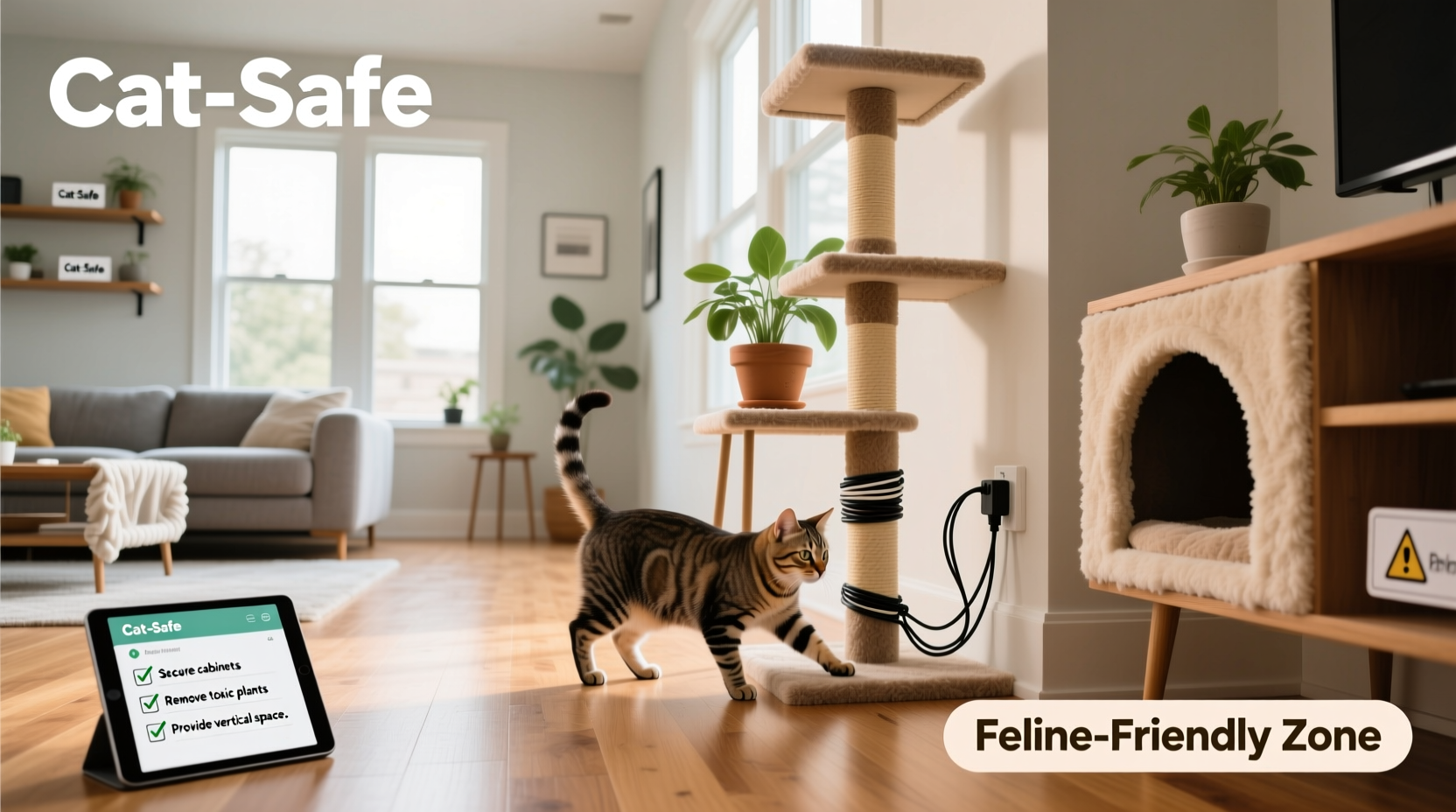
Cats climb, jump, squeeze into tight spaces, and investigate anything that moves or dangles. These behaviors stem from their predatory nature and need for mental stimulation. A bored or stressed cat may resort to destructive habits like scratching furniture or ingesting non-food items. Recognizing what motivates your cat helps you anticipate danger zones.
Common risks include ingestion of toxic plants, entanglement in cords or strings, falls from windows, and exposure to harmful chemicals. Kittens and senior cats face additional vulnerabilities—kittens out of sheer curiosity, seniors due to reduced mobility or vision. According to the ASPCA Animal Poison Control Center, thousands of cats are treated annually for preventable household exposures.
“Cats don’t act out of mischief—they respond to their environment. Cat-proofing is less about punishment and more about prevention through design.” — Dr. Lena Torres, DVM, Feline Wellness Specialist
Room-by-Room Safety Assessment
Start by walking through your home from a cat’s perspective—literally get down to floor level. Identify potential hazards in each room and address them systematically.
Kitchen
The kitchen contains numerous dangers: open appliances, hot stoves, small objects, and toxic foods like onions, garlic, chocolate, and xylitol-sweetened products. Keep countertops clear and trash bins secured with lids or stored under cabinet doors.
Bathroom
Toilets, medications, cleaning supplies, and wet floors make bathrooms high-risk areas. Close toilet lids to prevent accidental drowning (especially in curious kittens), store all medications in locked cabinets, and keep floors dry to avoid slips.
Living Room & Common Areas
Furniture stability matters. Tall bookshelves or unstable side tables can topple if used as climbing structures. Anchor heavy furniture to walls using anti-tip brackets. Secure blinds and curtain cords with cord tidies to prevent strangulation.
Bedrooms & Closets
Closets and drawers are favorite hiding spots. Ensure no laundry baskets, plastic bags, or rubber bands are left within reach—these can cause suffocation or intestinal blockages if ingested. Check inside shoes, boxes, and bags before storing.
Windows & Balconies
Cats love sunbathing on sills, but open windows without screens can lead to fatal falls. Install sturdy window screens or mesh guards designed for pets. Avoid relying on standard insect screens—they aren’t strong enough to support a cat’s weight.
Essential Cat-Proofing Checklist
Use this checklist to evaluate and improve your home’s safety. Revisit it every few months or when rearranging furniture.
- ✅ Secure loose electrical cords with cord covers or tuck them behind baseboards
- ✅ Remove or fence off toxic houseplants (e.g., lilies, philodendron, pothos)
- ✅ Cover unused outlets and repair frayed wires
- ✅ Lock away cleaning agents, medications, and essential oils
- ✅ Install window guards or sturdy screens on upper-level windows
- ✅ Anchor tall furniture to wall studs
- ✅ Store sewing kits, string, yarn, and rubber bands out of reach
- ✅ Use baby gates to restrict access to unsafe rooms (e.g., laundry room, garage)
- ✅ Provide multiple scratching posts to redirect clawing behavior
- ✅ Offer vertical spaces like cat shelves or perches for safe climbing
Managing Toxins and Hidden Dangers
Many common household items are toxic to cats, often with delayed symptoms. Even small exposures can be life-threatening.
| Category | Safe Alternatives | Avoid Completely |
|---|---|---|
| Plants | Spider plant, cat grass, Boston fern | Lilies, dieffenbachia, azalea |
| Cleaning Products | Vinegar-based cleaners, fragrance-free detergents | Phenols, bleach, ammonia |
| Fragrances | None (cats have sensitive respiratory systems) | Essential oil diffusers, scented candles |
| Foods | Commercial cat food, plain cooked meat | Chocolate, grapes, onions, alcohol |
If you suspect poisoning, contact your veterinarian or the ASPCA Animal Poison Control Center immediately. Do not induce vomiting unless instructed.
Real-Life Example: Preventing a Near-Miss Incident
Sarah, a cat owner in Portland, returned home to find her 8-month-old kitten tangled in a blind cord, struggling to free himself. Fortunately, she arrived in time to cut the cord and prevent injury. After consulting her vet, she installed cordless blinds and added soft cat steps near windows for safer access. She also introduced puzzle feeders and daily play sessions to redirect her kitten’s energy. Within weeks, destructive behaviors decreased significantly.
This scenario underscores how simple oversights can escalate quickly—and how proactive changes make a lasting difference.
Creating a Stimulating and Safe Environment
A truly cat-proofed home doesn’t just eliminate dangers; it encourages healthy behaviors. Enrichment reduces stress and prevents boredom-related issues like over-grooming or aggression.
Install cat shelves along walls to create “cat highways” for exploration. Rotate toys weekly to maintain interest—feather wands, crinkle balls, and treat-dispensing puzzles work well. Dedicate at least two 10-minute play sessions per day to mimic hunting patterns.
Frequently Asked Questions
Can I use bitter sprays to stop my cat from chewing cords?
Yes, pet-safe bitter sprays can deter chewing, but they should be used alongside physical cord management. Always test on a small area first and reapply as needed. However, the safest approach is to hide or cover cords entirely.
Are indoor cats really at risk, or is cat-proofing overkill?
Indoor cats face real and frequent risks—from falling objects to ingesting toxins. The American Association of Feline Practitioners emphasizes environmental safety as a core component of feline wellness. Cat-proofing is not excessive; it’s responsible ownership.
How do I introduce cat-proofing changes without stressing my cat?
Introduce changes gradually. For example, add one new shelf or perch at a time. Use positive reinforcement with treats or praise when your cat uses designated areas. Maintain routines during transitions to reduce anxiety.
Conclusion: Build a Home Where Your Cat Thrives
Cat-proofing isn’t a one-time project—it’s an ongoing commitment to your pet’s well-being. By combining hazard removal with environmental enrichment, you create a space where your cat feels secure, engaged, and loved. Small adjustments today can prevent emergencies tomorrow and extend your companion’s healthy, joyful years.




 浙公网安备
33010002000092号
浙公网安备
33010002000092号 浙B2-20120091-4
Comments
No comments yet. Why don't you start the discussion?