
Selecting the right handbag is more than a fashion decision—it’s an investment in daily comfort, functionality, and personal expression. For those who carry their lives in a bag from morning commutes to evening errands, durability and design must coexist. Too often, stylish bags lack resilience, while rugged ones feel bulky or outdated. The key lies in balancing craftsmanship, material integrity, and aesthetic appeal. This guide breaks down the essential factors that define a high-performing, timeless handbag you’ll rely on year after year.
Understand What Makes a Handbag Truly Durable
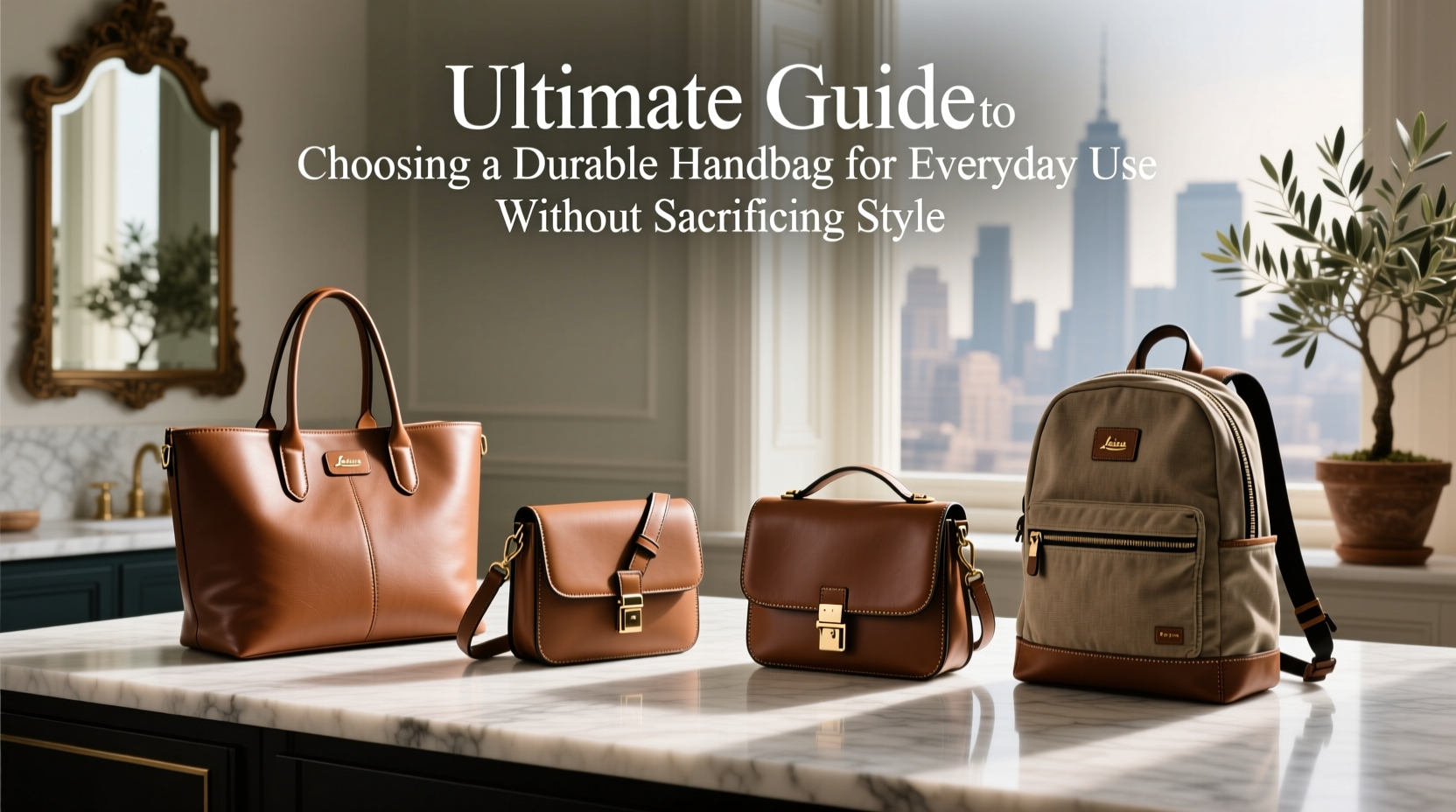
Durability isn’t just about thickness or weight—it’s the sum of thoughtful construction, quality materials, and functional design. A well-made bag withstands daily friction, weather exposure, and frequent handling without fraying, sagging, or losing shape.
The foundation of longevity begins with stitching. Double or triple stitching at stress points like handles, zippers, and strap attachments significantly increases resilience. Look for reinforced box corners and bartack reinforcements—details commonly found in premium luggage or workwear gear, now standard in enduring handbags.
Lining matters too. Cheap polyester linings tear easily and trap odors. Opt for tightly woven cotton, jacquard, or antimicrobial fabric linings that resist wear and are easier to clean.
Choose Materials That Balance Strength and Style
The material defines both the look and lifespan of your bag. Each has strengths and trade-offs—knowing them helps you match your lifestyle with the right choice.
| Material | Durability | Style Flexibility | Care Requirements |
|---|---|---|---|
| Full-Grain Leather | Excellent (ages beautifully) | High (timeless elegance) | Moderate (condition annually) |
| Top-Grain Leather | Good (less breathable) | High (polished finish) | Low-Moderate |
| Saffiano (Textured Leather) | Excellent (scratch-resistant) | High (modern professional) | Low |
| Canvas with Leather Trim | Good (lightweight but prone to stains) | Medium (casual, versatile) | Moderate (spot clean only) |
| Vegan Leather (PU/Polyurethane) | Fair (cracks over time) | Medium (budget-friendly styles) | Low (wipeable) |
Full-grain leather stands out as the gold standard. It develops a rich patina over time and resists abrasion better than any synthetic alternative. Saffiano leather, originally developed by Prada, offers a practical balance: its cross-hatch texture hides scuffs and repels water, making it ideal for urban environments.
“Durability starts before the first use. A handbag built with full-grain leather and brass hardware can outlive trends—and even outlast fast-fashion brands’ entire product lines.” — Lena Torres, Sustainable Accessory Designer
Design Features That Enhance Long-Term Use
A beautiful silhouette means little if the bag fails functionally. Prioritize features that support real-world use without compromising aesthetics.
- Hardware Quality: Zippers should glide smoothly and be made of brass or nickel alloy, not plastic-coated zinc. Test closures in-store—cheap zippers jam or break within months.
- Weight Distribution: Wide, padded straps reduce shoulder strain. Crossbody styles with adjustable lengths adapt to different outfits and activities.
- Interior Organization: Pockets for phone, keys, and wallet prevent constant digging. A secure zip compartment for cards or cash adds peace of mind.
- Base Structure: Flat, reinforced bottoms allow the bag to stand upright and protect contents. Avoid soft-bottomed designs unless used occasionally.
Proportional design also impacts longevity. Overstuffing stretches seams and distorts shape. Choose a size that fits your essentials—not everything you *might* carry. A medium tote (13–15 inches wide) typically serves most daily needs without becoming unwieldy.
Real-Life Test: How One Professional Uses Her Daily Bag
Sophie, a 34-year-old project manager in Chicago, carries her handbag through subways, client meetings, and weekend outings. She switched from a trendy quilted design to a structured saffiano leather satchel after her previous bag split at the handle seam within eight months.
“I needed something that looked polished but could handle my laptop, gym clothes, and coffee spills,” she explains. “Now I have one bag that goes from office to dinner. The magnetic flap is quick to open, the interior has a padded tablet sleeve, and the edges haven’t scratched—even after being dragged across wet pavement.”
Her current bag, purchased two years ago, shows minimal wear. She attributes its condition to monthly conditioning and using a protective spray before winter. “It cost more upfront, but I’ve saved money and stress by not replacing it every season.”
Your Handbag Selection Checklist
Before purchasing, run through this checklist to ensure you’re getting a durable, stylish option:
- ✅ Is the exterior material scratch- and water-resistant?
- ✅ Are the handles or straps securely attached with reinforced stitching?
- ✅ Does the bag maintain its shape when empty?
- ✅ Is the lining tightly woven and stain-resistant?
- ✅ Do zippers and clasps feel solid, not flimsy?
- ✅ Can it comfortably fit your daily essentials without bulging?
- ✅ Is the weight manageable when fully loaded?
- ✅ Does the color or style complement multiple outfits?
How to Maintain Your Bag for Years of Service
Even the best handbag deteriorates without care. Simple habits extend life dramatically:
- Rotate bags weekly to reduce wear on a single piece.
- Store in a dust bag away from direct sunlight and humidity.
- Clean spills immediately with a dry cloth; avoid soaking.
- Condition leather every 3–6 months with a pH-balanced product.
- Never hang leather bags long-term—they lose shoulder shape.
For non-leather materials, wipe down surfaces monthly with a damp microfiber cloth. Avoid silicone-based sprays on vegan leather—they accelerate cracking.
Frequently Asked Questions
Can a stylish handbag really last five years or more?
Yes—provided it’s made with quality materials and properly maintained. Full-grain leather, brass hardware, and structured linings are key indicators of long-term viability. Many luxury and heritage brands offer lifetime repair services, further extending usability.
Are expensive handbags worth the investment?
Not all expensive bags are well-made, but many justify their price through superior sourcing, craftsmanship, and warranty support. Compare cost-per-use: a $600 bag used daily for four years costs less per day than a $150 bag replaced annually.
What’s the most underrated feature in a durable handbag?
Interlining—the hidden layer between outer fabric and lining. High-end bags use firm interlining to preserve shape and structure. Without it, bags collapse or stretch over time, no matter how strong the outer material seems.
Final Thoughts: Style Shouldn’t Be Temporary
A great handbag doesn’t force you to choose between looking good and lasting long. With informed decisions about materials, construction, and maintenance, you can own a piece that evolves with your life—gaining character, not damage. Focus on timeless silhouettes, proven materials, and smart details that serve you daily. When durability and design align, your handbag becomes more than an accessory. It becomes a trusted companion.




 浙公网安备
33010002000092号
浙公网安备
33010002000092号 浙B2-20120091-4
Comments
No comments yet. Why don't you start the discussion?