
Smartphones are essential tools in modern life—used for communication, work, navigation, and entertainment. Yet they remain vulnerable to drops, scratches, moisture, and everyday wear. A high-quality phone case is the first line of defense. But not all cases offer equal protection. Choosing one that balances durability, functionality, and design requires understanding materials, testing standards, and real-world performance. This guide breaks down what truly matters when selecting a case built to last.
Understanding Phone Case Materials and Their Impact on Protection
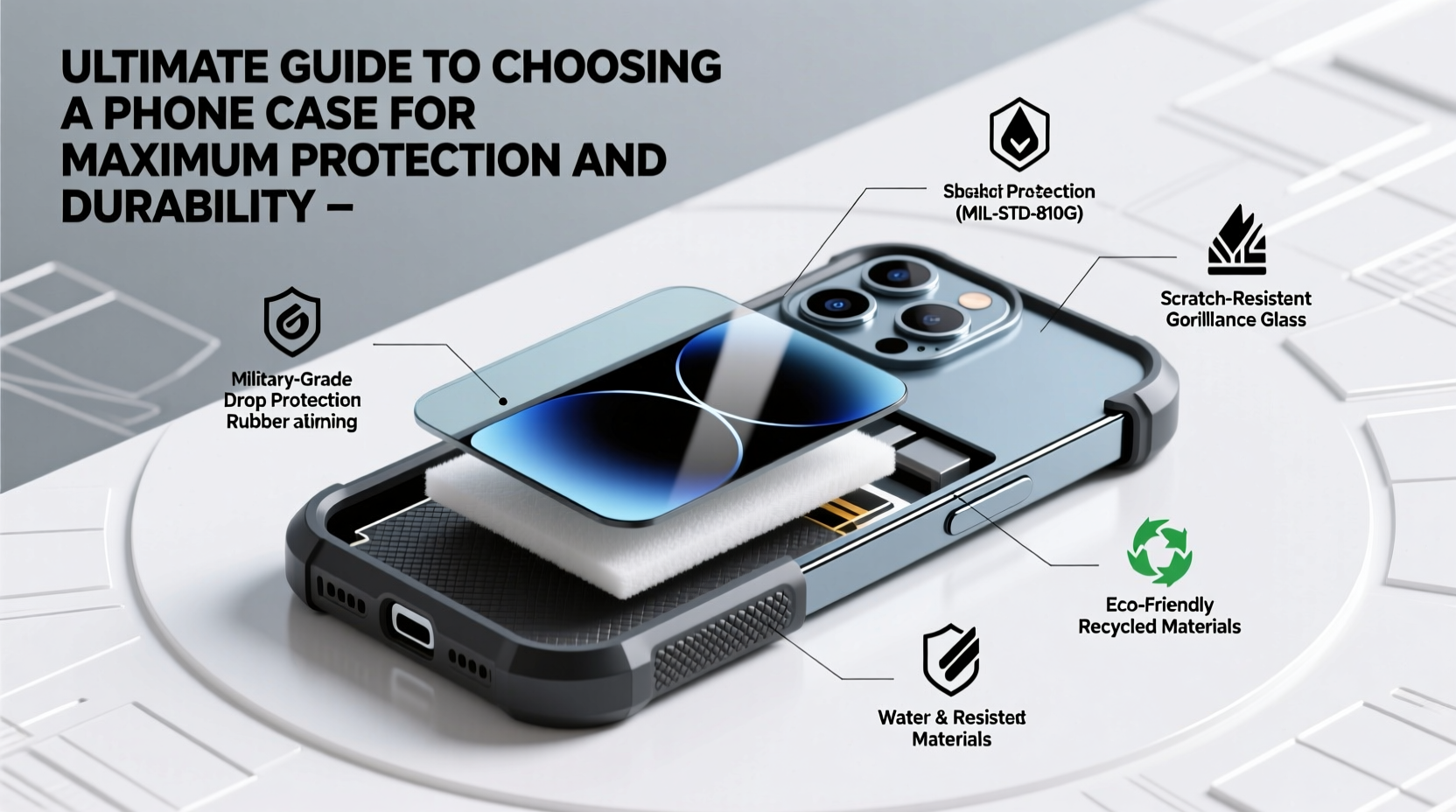
The material of a phone case directly influences its ability to absorb shock, resist scratches, and withstand environmental stress. The most common options each come with distinct advantages and trade-offs.
- TPU (Thermoplastic Polyurethane): Flexible, rubber-like, and excellent at absorbing impact. TPU cases are durable and maintain grip, making them ideal for daily use. However, they can yellow over time when exposed to UV light.
- Polycarbonate: A rigid plastic known for its clarity and scratch resistance. Often used in hybrid or \"hard-shell\" cases, it provides structural integrity but offers less shock absorption than softer materials.
- Silicone: Soft to the touch and grippy, silicone resists minor impacts well. However, it attracts dust and lint, and lower-quality versions degrade faster under heat or sunlight.
- Hybrid Cases: Combine TPU inner linings with polycarbonate outer shells. These deliver both shock absorption and rigidity, offering superior drop protection—especially around corners and edges.
- Leather & Eco-Friendly Alternatives: Premium leather or plant-based materials add elegance and age beautifully. While stylish, they offer minimal impact protection unless paired with internal cushioning layers.
Evaluating Drop Protection: MIL-STD and Independent Testing Standards
Not all claims of “drop-proof” are equal. Reputable manufacturers often test their cases against military-grade standards. The U.S. Department of Defense’s MIL-STD-810G is a widely recognized benchmark for durability.
This standard simulates real-world conditions, including repeated drops from heights up to 6 feet onto concrete. A case certified to this standard has undergone rigorous lab testing across multiple angles and surfaces.
“Independent drop testing reveals that many budget cases fail after just two falls from waist height. Look for brands that publish test results.” — Dr. Lena Park, Materials Engineer at Mobile Safety Labs
While MIL-STD certification is strong evidence of quality, some companies conduct their own controlled tests. Always check whether testing was performed by third-party labs and review specific drop heights and surface types.
Key Features of High-Impact Resistant Cases
- Elevated bezels to protect screen and camera lenses when placed face-down
- Reinforced corners with air-cushion technology or hexagonal damping structures
- Non-slip textured edges for improved grip
- Internal microfiber lining to prevent micro-scratches
Comparing Top Case Types: Which Offers the Best Balance?
| Case Type | Drop Protection | Durability | Portability | Best For |
|---|---|---|---|---|
| Slim TPU | Low-Moderate | Medium (may yellow) | Excellent | Light users who prioritize aesthetics |
| Hybrid Rugged | High | High | Fair (bulkier) | Outdoor use, active lifestyles |
| Wallet Cases | Moderate | Medium | Good (adds bulk) | Minimalists wanting ID/cards access |
| Bumper Frames | Low (edges only) | Medium | Excellent | Style-focused users needing basic corner protection |
| Folio Cases | Moderate | High (if leather) | Fair | Business professionals, frequent travelers |
Real-World Scenario: How a Construction Worker Chose His Daily Driver Case
Carlos, a site supervisor in Denver, needed a case that could survive job sites filled with gravel, vibrations, rain, and accidental tumbles from ladders. He tested three models over six months:
- A sleek silicone case – cracked within two weeks after falling off a scaffold.
- A wallet-style case – snagged on rebar, tearing the strap and exposing the phone to dust.
- A rugged hybrid case with MIL-STD certification – survived over 15 documented drops, including one from 7 feet onto concrete.
The third option, though heavier, maintained full functionality without cracks or internal damage. Carlos now recommends cases with raised edges, secure ports, and independent lab reports to his team.
Step-by-Step Guide to Selecting Your Ideal Protective Case
Follow this five-step process to ensure you’re investing in lasting protection:
- Assess Your Environment: Do you work outdoors, commute heavily, or have young children? High-risk settings demand rugged builds.
- Check Compatibility: Confirm the case matches your exact phone model, especially if using wireless charging or precise sensor alignment.
- Review Independent Test Data: Look for published drop test videos, lab certifications, or consumer reports.
- Evaluate Port and Button Design: Buttons should be responsive but covered; ports should shield against dust and debris.
- Test Grip and Ergonomics: Hold sample models if possible. A slippery case increases drop risk more than any material flaw.
Essential Checklist Before Buying a Protective Phone Case
- ✅ Confirmed compatibility with your phone model
- ✅ Meets or exceeds MIL-STD-810G or equivalent standard
- ✅ Includes raised edges for screen and camera protection
- ✅ Has reinforced corners or shock-absorbing zones
- ✅ Allows unobstructed use of speakers, mics, and charging ports
- ✅ Supports wireless charging without removal
- ✅ Made from durable, non-yellowing materials (e.g., matte TPU)
- ✅ Positive long-term user reviews focusing on durability
Frequently Asked Questions
Do thicker cases always provide better protection?
Not necessarily. Thickness alone doesn’t guarantee safety. Well-designed slim cases with internal air channels can outperform bulky ones made with poor materials. Focus on engineering, not just size.
How often should I replace my phone case?
Inspect your case every 6–8 months. Replace it if you notice cracks, loss of elasticity, discoloration, or loose fit. A compromised case reduces protection significantly.
Are waterproof cases worth it?
If you frequently encounter water—near pools, in rainy climates, or during outdoor activities—a waterproof case with sealed ports adds valuable defense. However, most daily users benefit more from water-resistant designs that shed moisture without full submersion capability.
Final Thoughts: Invest in Protection That Lasts
A smartphone represents a significant investment, both financially and functionally. Sacrificing protection for style or savings risks costly repairs or data loss. The best phone cases merge intelligent design with proven materials and real-world testing. Whether you're navigating city streets, hiking remote trails, or managing a busy household, the right case acts as an invisible shield—always ready, rarely noticed, but absolutely essential.




 浙公网安备
33010002000092号
浙公网安备
33010002000092号 浙B2-20120091-4
Comments
No comments yet. Why don't you start the discussion?