
As the leaves turn and temperatures drop, students face new challenges in their daily commute. Autumn brings wet sidewalks and sudden downpours; winter adds snow, slush, and bulkier clothing. The right school bag must withstand these conditions while remaining comfortable and fashionable. A poorly chosen backpack can lead to discomfort, damaged electronics, or premature wear. Selecting the ideal bag isn’t just about color or brand—it’s about smart design, durable materials, and thoughtful functionality that aligns with seasonal demands.
Key Features of an Autumn-Winter School Bag
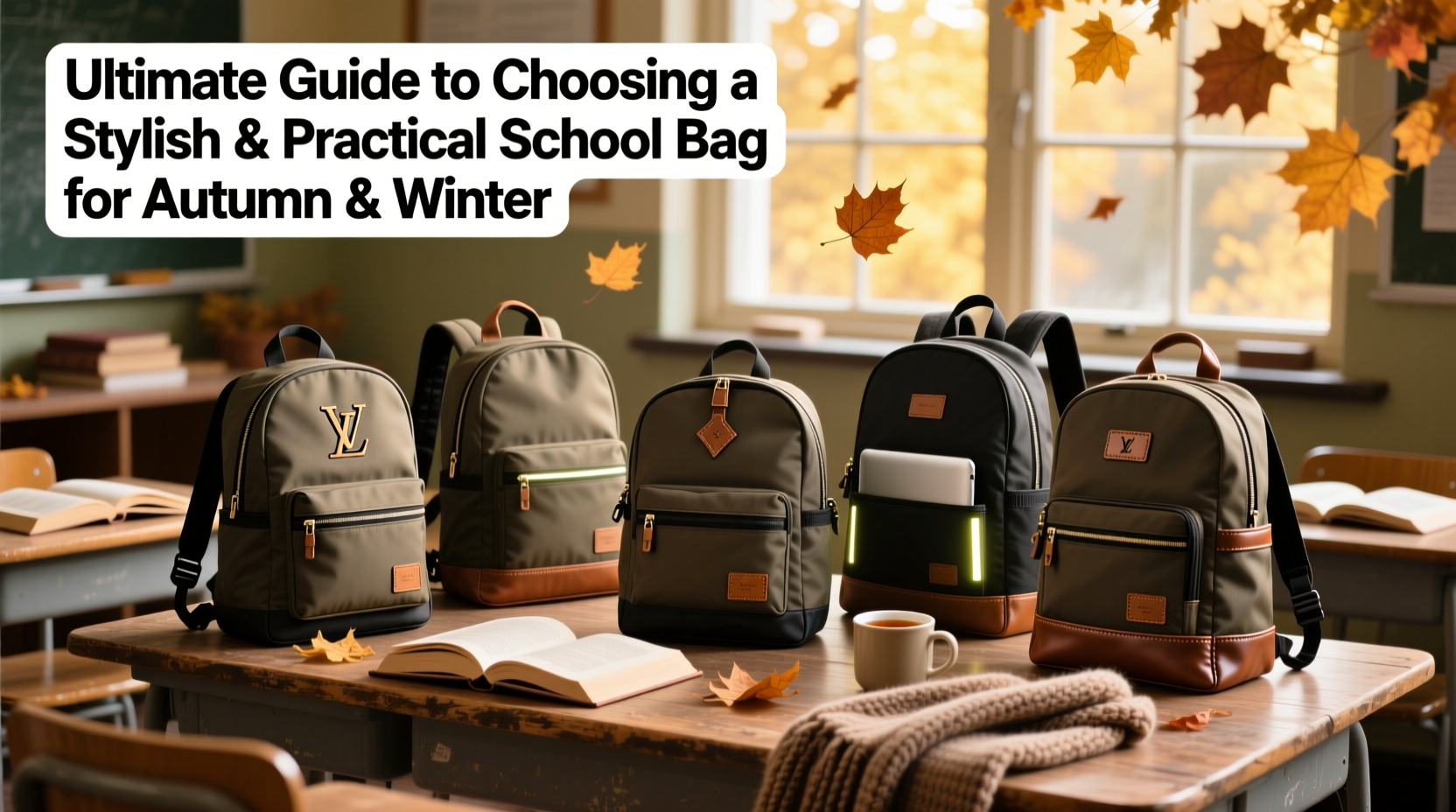
The transition from summer to colder months requires rethinking what you carry and how you carry it. A school bag used during rainy November afternoons or snowy January mornings needs specific attributes to perform well under pressure.
- Weather-resistant materials: Look for polyester, nylon, or coated canvas with water-repellent finishes. These fabrics resist moisture absorption and dry quickly if exposed to rain or snow.
- Reinforced stitching: Stress points like straps and zippers should be double-stitched to prevent tearing under heavy loads.
- Padded laptop compartment: Electronics are vulnerable to cold and dampness. A dedicated, cushioned sleeve with a protective lining helps guard against drops and condensation.
- Ergonomic design: Padded shoulder straps, a breathable back panel, and optional chest or waist straps reduce strain on the spine during long walks in adverse weather.
- Reflective elements: Shorter daylight hours mean more travel in low-light conditions. Bags with reflective strips or logos enhance visibility and safety.
Material Matters: What Works Best in Cold, Wet Conditions?
Not all fabrics perform equally when faced with sleet, frost, or puddles. Choosing the right material impacts longevity, cleanliness, and overall performance.
| Material | Pros | Cons | Best For |
|---|---|---|---|
| Nylon (e.g., Cordura) | Highly durable, lightweight, water-resistant | Can feel synthetic, less breathable | Daily commuters, outdoor-heavy schedules |
| Polyester | Affordable, fade-resistant, dries fast | Less breathable than natural fibers | Students on a budget needing reliability |
| Coated Canvas | Stylish, sturdy, moderately water-resistant | Heavier, may crack in extreme cold over time | Fashion-conscious users in milder climates |
| Genuine Leather | Luxurious look, ages beautifully | Heavy when wet, requires maintenance, expensive | Colder regions with dry winters and indoor-focused use |
“Water is the silent enemy of school bags. Even brief exposure can compromise internal structure and hardware.” — Lena Torres, Product Design Specialist at UrbanGear Labs
Step-by-Step: How to Choose the Right Bag This Season
Selecting the perfect school bag doesn’t have to be overwhelming. Follow this clear sequence to ensure your choice meets both aesthetic and functional needs.
- Assess your daily load: List everything you carry—laptop, textbooks, lunchbox, umbrella. Heavier loads require stronger frames and better support.
- Determine your climate exposure: If you walk through rain or snow regularly, prioritize waterproofing and quick-dry interiors. <3> Try before you buy: Visit a store if possible. Wear the bag loaded with weight similar to your typical day. Check for strap comfort and balance.
- Inspect closure systems: Zippers should glide smoothly and ideally be covered or reversed to prevent water ingress. Magnetic flaps offer convenience but less security.
- Consider accessibility: Multiple compartments help organize items and reduce time spent rummaging outside in the cold.
- Evaluate style compatibility: Choose colors and silhouettes that pair well with winter coats and boots. Darker tones hide stains better; textured surfaces resist scuffing.
Real-World Example: Maya’s Winter Commute Upgrade
Maya, a university student in Manchester, struggled each winter with her lightweight cotton tote. After two seasons, the fabric frayed, her tablet was damaged by moisture, and she developed shoulder pain from uneven weight distribution. She switched to a 20L nylon backpack with a ventilated back panel, waterproof base, and built-in USB charging port. The new bag included a fleece-lined pocket for her phone and reflective side panels. Within weeks, she reported reduced fatigue, no device issues despite walking in rain, and greater confidence in her appearance. Her only regret? Not upgrading sooner.
Essential Checklist Before Purchase
Use this checklist as a final verification tool before committing to a bag:
- ✅ Is the main fabric water-resistant or fully waterproof?
- ✅ Does it have a padded, lined compartment for electronics?
- ✅ Are the shoulder straps adjustable and contoured for comfort?
- ✅ Are there reflective details for low-light safety?
- ✅ Can it accommodate a small umbrella or insulated bottle without bulging?
- ✅ Is the bottom reinforced to resist wear from being placed on wet ground?
- ✅ Does the color/style match common winter outerwear?
- ✅ Is the brand known for warranty or repair services?
Frequently Asked Questions
Can I use a leather backpack in snowy conditions?
Yes, but with caution. Full-grain leather can handle light moisture if treated with a quality protector, but prolonged exposure to snow or slush risks staining and stiffness. Avoid placing it on wet floors indoors, and always dry naturally away from direct heat.
How do I clean a muddy or salt-stained bag?
For nylon or polyester: wipe down with a damp cloth and mild soap. For dried mud, let it dry first, then brush off gently. Salt stains—common from sidewalks—should be wiped immediately with a vinegar-water solution (1:4 ratio) to prevent corrosion of zippers and fabric degradation.
Are rolling backpacks practical in winter?
Generally not. Ice, snow, and uneven pavement make wheels unreliable and potentially hazardous. They also lack proper back support when carried, which defeats ergonomic benefits. Stick to well-designed traditional packs for safer, smoother navigation.
Final Thoughts: Style Meets Substance
A great school bag for autumn and winter does more than hold books—it protects your belongings, supports your body, and expresses your personal style even on the dreariest days. The best options strike a balance between resilience and refinement, offering smart features without sacrificing aesthetics. Whether you're navigating city streets or campus pathways blanketed in frost, your backpack should be an asset, not a burden.
Don’t settle for last season’s model simply because it’s on sale. Invest time in evaluating materials, fit, and function. Your future self—dry, organized, and pain-free—will thank you when the wind howls and the skies open up.




 浙公网安备
33010002000092号
浙公网安备
33010002000092号 浙B2-20120091-4
Comments
No comments yet. Why don't you start the discussion?