
A well-chosen day pack quietly transforms daily life. Whether commuting through city streets, hiking forest trails, or navigating weekend errands, the right backpack balances comfort, durability, and intelligent design. Yet many settle for poor fits, flimsy materials, or overloaded compartments simply because they don’t know what to prioritize. This guide breaks down the essential elements of a truly versatile day pack—covering ergonomics, material choices, functional layouts, and gender-inclusive design considerations.
Understanding the Role of a Day Pack
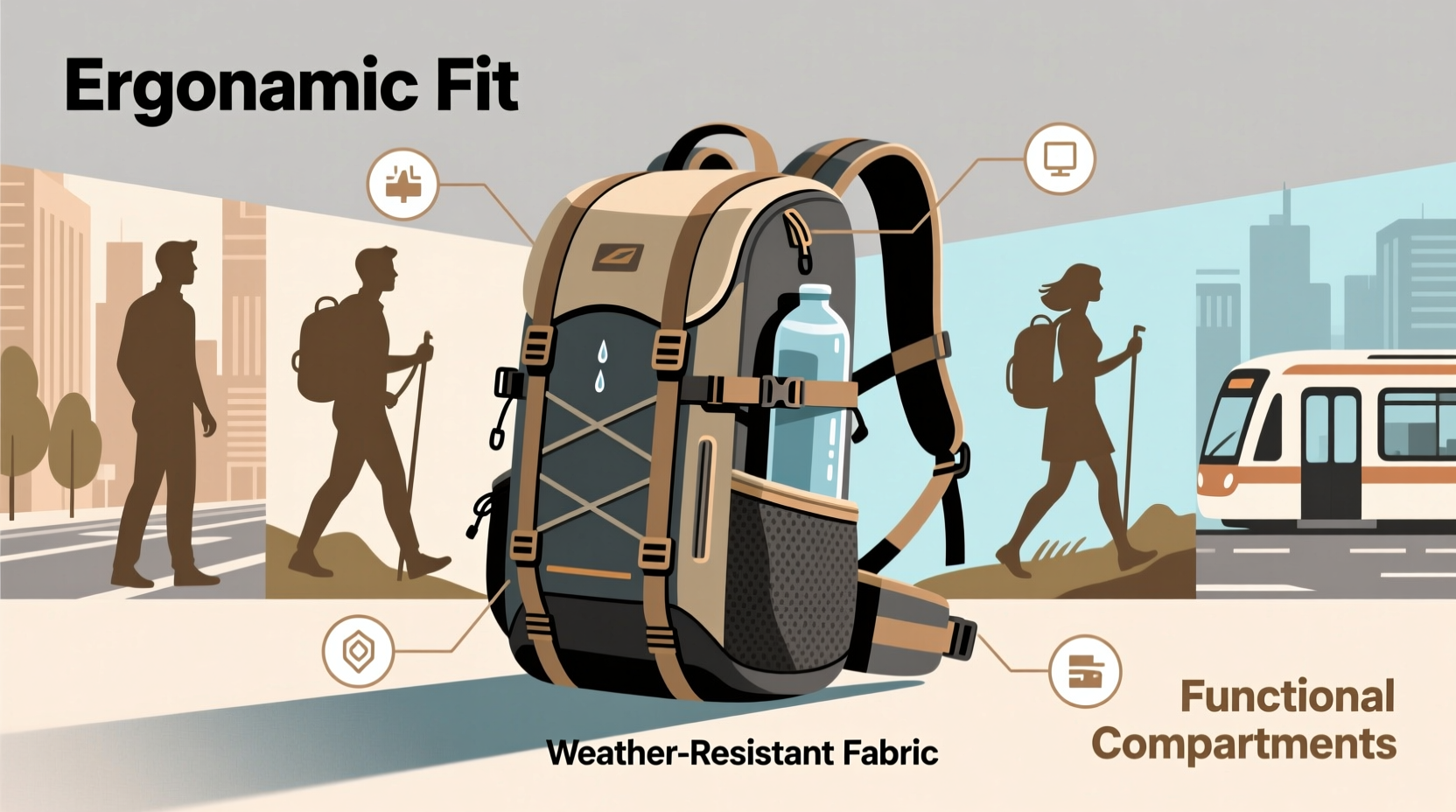
A day pack serves as a mobile command center. Unlike large travel backpacks or minimalist sling bags, it bridges practicality and portability. It must carry essentials—laptop, water bottle, jacket, snacks, notebook—without burdening the wearer. The ideal pack supports movement, adapts to multiple environments, and remains comfortable over extended wear.
Versatility is key. A single pack should transition from office commute to trail hike without feeling out of place or compromising safety. That means considering weather resistance, access points, weight distribution, and aesthetic neutrality. Neutral colors like charcoal, olive, navy, or black tend to pair well across casual, professional, and outdoor settings.
Evaluating Fit and Comfort: The Foundation of Usability
No matter how many pockets or high-tech fabrics a pack has, poor fit will render it unusable after just 30 minutes. Fit depends on torso length, shoulder width, and load distribution—not gender alone. While some brands market “men’s” and “women’s” versions, the real differentiators are adjustability and anatomical alignment.
The sternum strap, hip belt, and shoulder padding aren’t optional extras—they’re structural components. A sternum strap stabilizes the load and reduces shoulder strain. Padded, contoured shoulder straps prevent digging and pressure points. For loads over 15 lbs (7 kg), a supportive hip belt transfers weight from shoulders to hips, where the body is designed to carry it.
“Fit isn’t about gender—it’s about biomechanics. A properly adjusted harness system makes any pack more comfortable, regardless of who wears it.” — Lena Torres, Outdoor Gear Designer at AlpineForm
Torso Measurement Guide
To find your correct size, measure from the base of your neck (C7 vertebra) to the top of your hip bones. Most manufacturers categorize torso lengths as:
- Short: 15–17 inches (38–43 cm)
- Regular: 18–20 inches (46–51 cm)
- Long: 21+ inches (53+ cm)
Adjustable back panels allow fine-tuning. Fixed-length packs require precise matching. Always try on a loaded pack before purchasing, if possible.
Material and Weather Resistance: Built to Last
Daily use exposes packs to rain, abrasion, sweat, and UV exposure. Materials define longevity. Common options include:
| Material | Durability | Water Resistance | Weight |
|---|---|---|---|
| Nylon (600D–1000D) | High | Moderate (improved with coatings) | Medium |
| Polyester (recycled or virgin) | Good | High with PU coating | Light to Medium |
| Cordura® Nylon | Very High | Excellent with treatments | Medium |
| Cotton Canvas | Fair (wears in) | Poor unless waxed | Heavy |
Look for DWR (durable water repellent) finishes and taped seams in critical zones. Some packs include roll-top closures or built-in rain covers. If you regularly face wet conditions, consider a pack with a removable waterproof liner or full TPU lamination.
Functional Design: Organizing for Real Life
A smart layout prevents frustration. Over-compartmentalization can be as problematic as having none. Focus on three core zones:
- Main Compartment: Should fit a 13–15\" laptop sleeve (internal or external), a light sweater, and a small hydration bladder if needed. Access via U-shaped zipper or top-loading opening.
- Front Organization Panel: Ideal for quick-access items: phone, wallet, keys, pens, sunglasses. Avoid overly rigid organizers that limit flexibility.
- Side & Bottom Pockets: Stretch mesh for water bottles or umbrellas. Some include hidden security pockets against the back panel.
Additional features worth considering:
- Hidden anti-theft zippers accessible only from the front
- USB passthrough for internal power bank connectivity
- Reflective accents for low-light visibility
- Attachment loops for carabiners or trekking poles
Real Example: Urban Commuter Meets Weekend Hiker
Sophia, a graphic designer in Portland, uses her 20L pack every weekday for work and most weekends for short hikes. She values the padded laptop compartment, which doubles as a tablet storage space. On Fridays, she swaps her work essentials for a rain jacket, trail snacks, and a collapsible water bottle. The side mesh pockets hold her insulated coffee tumbler during the week and a hydration flask on trails. Because the pack has a breathable back panel and adjustable sternum strap, she rarely feels fatigued—even when walking 8,000 steps. Her only regret? Not getting a model with a built-in rain cover sooner.
Step-by-Step: How to Choose Your Ideal Day Pack
Selecting the right day pack doesn’t have to be overwhelming. Follow this sequence to make a confident decision:
- Define Your Primary Use: List your top three activities (e.g., commuting, gym, travel).
- Determine Capacity Needs: 15–20L suits most urban users; 20–25L better for hikers or those carrying gear.
- Check Laptop Compatibility: Ensure the sleeve fits your device dimensions exactly.
- Try It On With Weight: Load it with books or weights (5–10 lbs) and walk around for 10 minutes.
- Test Access Points: Open and close zippers while wearing it. Can you reach essentials easily?
- Assess Ventilation: Look for suspended mesh panels or air channels to reduce back sweat.
- Verify Warranty & Repair Policy: Brands like Osprey, Deuter, and Fjällräven offer robust repair programs.
FAQ: Common Questions About Day Packs
Can one day pack really work for both men and women?
Yes—many unisex models are designed with adjustable harness systems that accommodate various torso lengths and shoulder widths. Focus on fit and function rather than gendered marketing labels.
How do I clean and maintain my day pack?
Spot clean with mild soap and water. Never machine wash unless specified by the manufacturer. Remove all contents, wipe interior with a damp cloth, and air dry upside down away from direct heat.
Is a hydration bladder compatible with most day packs?
Most packs between 18–25L include a hydration sleeve and hose exit port. Smaller packs may lack this feature. Check product specs before assuming compatibility.
Final Checklist Before Buying
- ✅ Torso length matches pack sizing
- ✅ Shoulder straps are padded and adjustable
- ✅ Includes sternum strap (and hip belt if carrying heavy loads)
- ✅ Laptop compartment has proper padding and size
- ✅ Fabric is durable and weather-resistant
- ✅ Has secure, accessible organization
- ✅ Weight is under 3 lbs (1.4 kg) unloaded
- ✅ Brand offers repair or replacement warranty
Conclusion: Invest in Performance, Not Just Style
A versatile day pack is more than an accessory—it’s a tool for efficiency, mobility, and comfort. Choosing one requires thoughtful evaluation of fit, materials, and functionality tailored to your lifestyle. Don’t let marketing blurbs or aesthetics override ergonomics. Prioritize adjustability, durability, and intelligent design. When you find the right match, it fades into the background—supporting your days without complaint.




 浙公网安备
33010002000092号
浙公网安备
33010002000092号 浙B2-20120091-4
Comments
No comments yet. Why don't you start the discussion?