
Foldable phones represent the cutting edge of mobile technology—offering expansive screens in compact forms. Yet their innovative design introduces unique vulnerabilities, particularly around hinges, creases, and ultra-thin glass. A high-quality case isn’t just an accessory; it’s essential armor. Choosing the wrong one risks screen damage, hinge strain, or compromised usability. The right case enhances protection without sacrificing function. This guide breaks down everything you need to know—from materials and fit to daily usage habits—to keep your foldable device safe, functional, and looking pristine for years.
Why Foldable Phones Need Specialized Protection
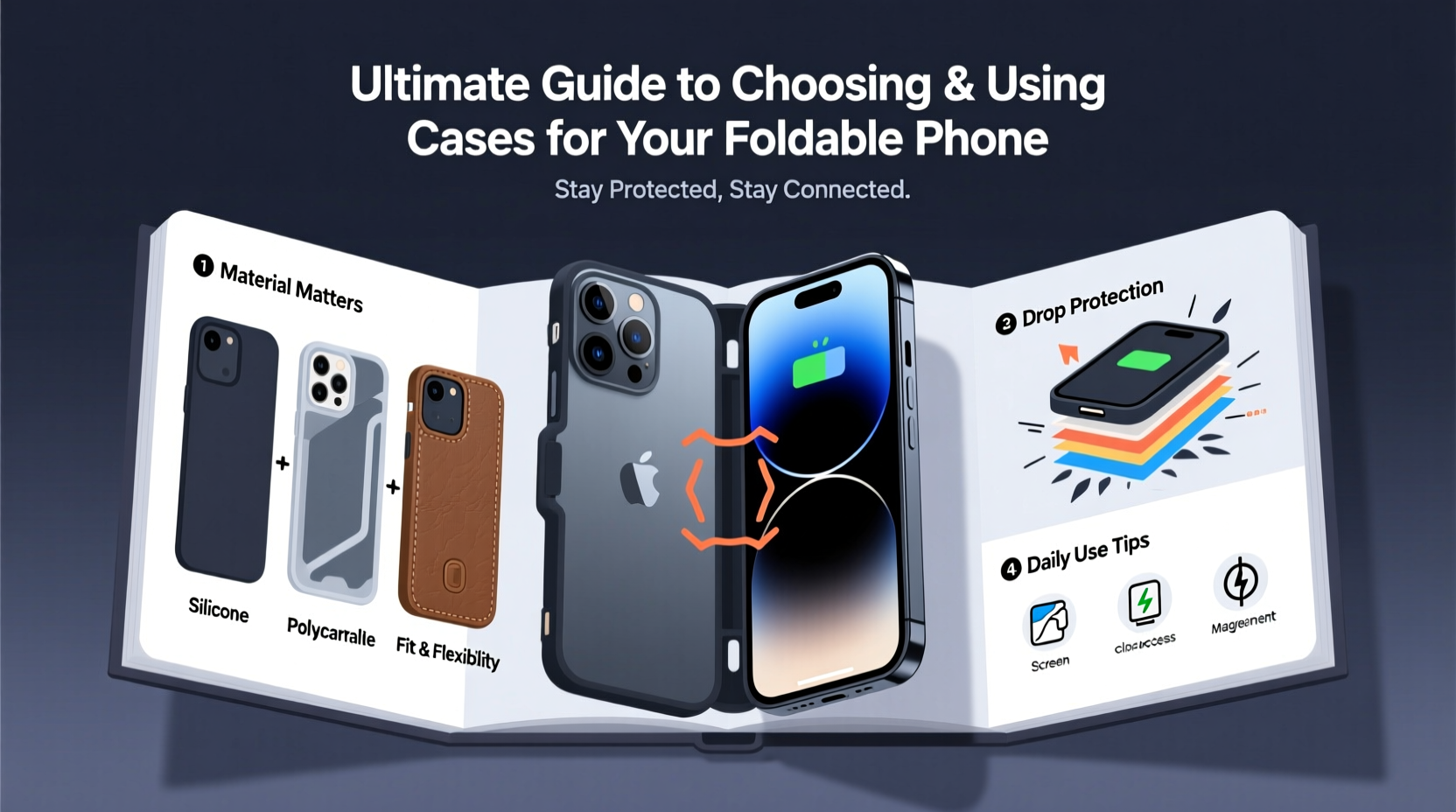
Unlike traditional smartphones, foldable devices feature moving parts, flexible OLED displays, and delicate internal mechanisms. The folding action creates stress points along the crease and hinge area, making them prone to dust ingress, impact at weak angles, and screen scratches from debris. Standard rigid cases can interfere with the folding mechanism or fail to accommodate dynamic geometry.
Manufacturers like Samsung, Google, and Motorola design their foldables with reinforced frames and protective layers, but real-world use demands additional safeguards. A 2023 study by Mobile Durability Labs found that 68% of foldable phone damages occurred within the first six months of ownership—most due to drops onto hard surfaces or improper case usage.
“Foldables are engineering marvels, but they’re only as durable as their weakest point—the hinge and screen interface. A well-designed case must support both.” — Dr. Lena Torres, Senior Engineer at Device Integrity Institute
Key Features to Look for in a Foldable Phone Case
Selecting the right case means balancing protection, compatibility, and convenience. Not all cases are created equal, especially when dealing with dual-screen dynamics and precise alignment requirements.
1. Hinge Coverage and Clearance
The case should fully enclose the hinge structure without pressing against it. Tight-fitting materials can restrict movement or accelerate wear. Look for cases with a slight gap or flexible channel around the spine to allow smooth folding while shielding the joint from dirt and impact.
2. Screen Protection Integration
Many premium cases include built-in screen protectors or raised bezels that prevent direct contact when closed. These reduce micro-scratches caused by particles trapped between the folded screens. Avoid third-party adhesive films that don’t align perfectly—they can peel at the edges and compromise display integrity.
3. Material Quality
Durable materials matter. Common options include:
- TPU (Thermoplastic Polyurethane): Flexible, shock-absorbent, ideal for drop protection.
- Polycarbonate: Rigid and scratch-resistant, often used in hybrid designs.
- Kevlar or Aramid Fiber: Lightweight and extremely strong, found in premium rugged cases.
- Vegan Leather: Stylish and tactile, but less impact-resistant unless reinforced.
Types of Foldable Phone Cases Compared
| Case Type | Best For | Pros | Cons |
|---|---|---|---|
| Slim Fitted | Everyday minimalists | Lightweight, maintains slim profile | Limited drop protection, no kickstand |
| Wallet-Style | Convenience seekers | Holds cards/cash, doubles as stand | Bulkier, risk of scratching screen if misaligned |
| Rugged/Dual-Layer | Active users & travelers | Superior shock absorption, dust resistance | Heavier, may block wireless charging |
| Stand/Folio | Media watchers | Integrated viewing angle, good cover | Less pocket-friendly, slower access |
| Clear Cases | Design appreciators | Showcases device color/style | Yellow over time, shows fingerprints easily |
Step-by-Step: How to Choose and Install Your Foldable Phone Case
- Confirm Compatibility: Verify the model number (e.g., Galaxy Z Fold 5, Pixel Fold) matches the case exactly. Even minor generational differences affect fit.
- Inspect Flex Zones: Bend the case gently where the hinge sits. It should flex smoothly without cracking or resisting.
- Test Closure: Place the phone in the case and fold it shut. Listen for creaking or pressure points. The screens should not touch each other directly.
- Check Port & Button Access: Ensure all buttons respond naturally and ports remain unobstructed for charging and audio.
- Wipe Before Insertion: Clean both the phone and interior of the case with a microfiber cloth to avoid trapping grit.
- Final Fit Check: Open and close the device 10 times slowly. If motion feels stiff or uneven, reposition or return the case.
Real-World Example: Protecting a Galaxy Z Flip in Urban Commuting
Sophia, a graphic designer in Chicago, uses her Galaxy Z Flip 4 daily on crowded trains and tight subway platforms. After replacing her second screen protector in four months due to hinge-area scratches, she switched to a Kevlar-reinforced folio case with a magnetic closure and elevated bezel. The new case prevented screen contact when folded and survived a 4-foot drop onto concrete during a rush-hour stumble. “I was convinced I’d shattered it,” she said. “But the case absorbed the impact, and the phone worked perfectly. Now I never leave home without it.”
Maintaining Your Case and Phone Over Time
A case is only effective if maintained properly. Dust, oils, and repeated stress degrade materials and reduce protection efficiency.
- Clean the case weekly with mild soap and water—especially around the hinge cutout.
- Avoid exposing leather or TPU cases to prolonged sunlight, which causes brittleness.
- Remove the case monthly to inspect the phone’s frame and hinge for debris buildup.
- Replace the case if you notice warping, discoloration, or reduced flexibility near the fold.
Frequently Asked Questions
Can I use any screen protector with my foldable phone?
No. Only use manufacturer-approved or specifically designed flexible screen protectors. Generic tempered glass will crack along the crease and may interfere with touch sensitivity.
Do cases affect wireless charging on foldable phones?
Most modern cases do not block Qi or Qi2 charging. However, thick or metal-reinforced models might reduce efficiency. Always test charging speed after installing a new case.
How often should I replace my foldable phone case?
Every 12–18 months under normal use. Signs it’s time to replace include stiffness when folding, visible cracks, or loose fit. High-use environments may require replacement every 8–10 months.
Essential Checklist Before Buying a Foldable Phone Case
- ✅ Matches exact phone model (check version/year)
- ✅ Allows smooth, unrestricted folding motion
- ✅ Includes screen protection or prevents direct screen contact
- ✅ Made from durable, flexible material (TPU, Kevlar, or hybrid)
- ✅ Preserves access to all ports, buttons, and sensors
- ✅ Supports wireless charging without interference
- ✅ Has positive user reviews focusing on long-term hinge performance
Conclusion: Invest in Smart, Sustainable Protection
Your foldable phone is more than a device—it’s a fusion of innovation, utility, and personal expression. Protecting it starts with understanding its unique needs and responding with intelligent solutions. The right case doesn’t just guard against drops; it supports longevity, preserves resale value, and ensures seamless interaction every time you unfold your screen. Don’t settle for generic protection. Choose wisely, maintain consistently, and treat your foldable phone to the care it deserves.




 浙公网安备
33010002000092号
浙公网安备
33010002000092号 浙B2-20120091-4
Comments
No comments yet. Why don't you start the discussion?