
Dining tables face constant threats from hot dishes, spilled coffee, and accidental contact with cookware. While traditional tablecloths add aesthetic appeal, they often fail under high temperatures, leading to scorch marks, warping, or even fire hazards. Heat resistant tablecloths offer a practical solution—combining durability, style, and functional protection. Whether you're hosting frequent dinner parties, running a café, or simply want to safeguard your kitchen table, understanding how to select and properly use these specialized cloths is essential.
Understanding Heat Resistant Materials
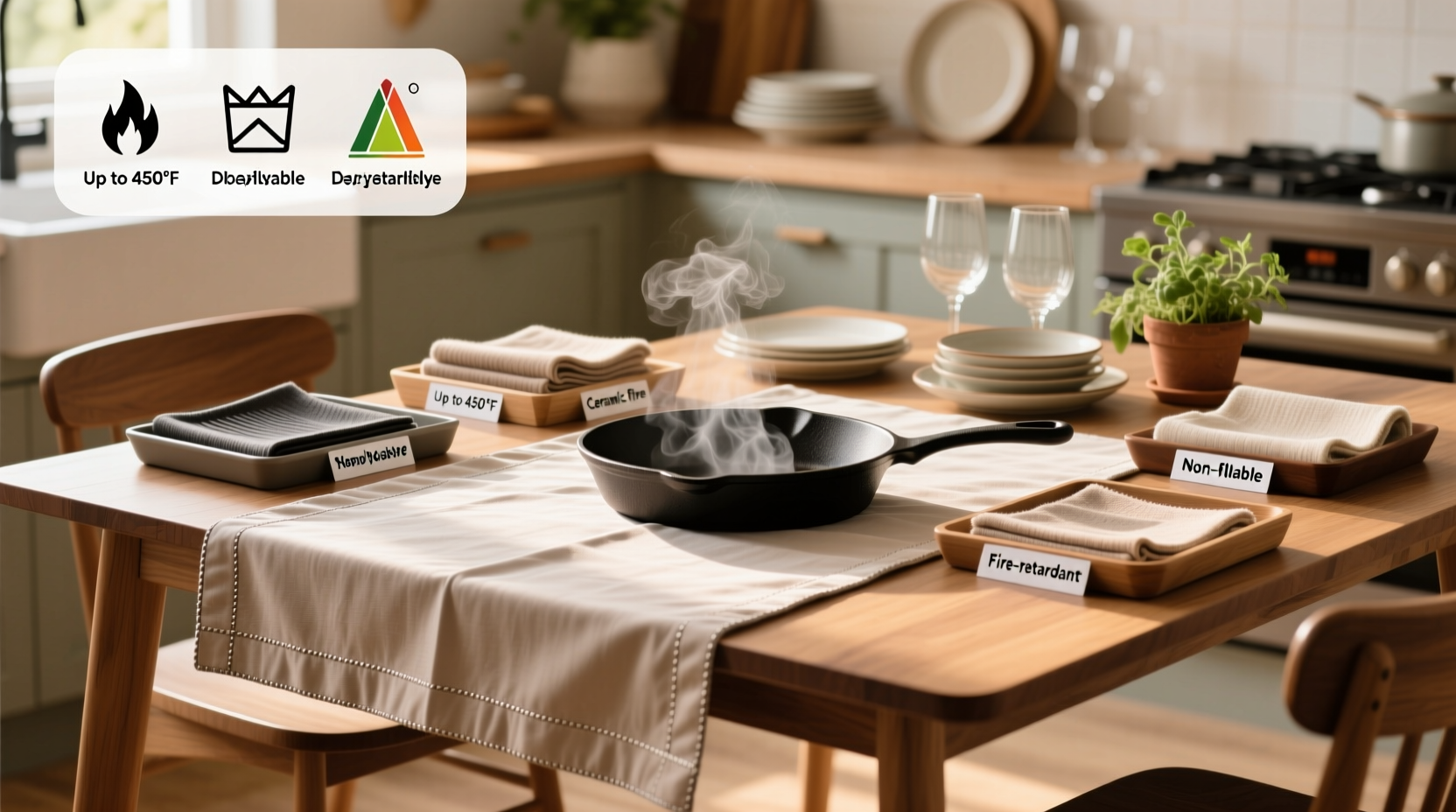
Not all fabrics can withstand high temperatures. The effectiveness of a heat resistant tablecloth depends largely on its material composition. Common options include silicone-coated fiberglass, cotton blends with flame-retardant treatments, and tightly woven polyester infused with ceramic fibers. Each has distinct thermal thresholds and performance characteristics.
Silicone-coated fiberglass stands out for its ability to endure temperatures up to 500°F (260°C), making it ideal for direct contact with hot pots and pans. It’s non-flammable, easy to clean, and maintains structural integrity over time. Cotton-based cloths treated with flame inhibitors are more breathable and visually appealing but typically resist only up to 300°F (149°C). These are better suited for casual dining settings where extreme heat exposure is rare.
Key Factors When Choosing a Heat Resistant Tablecloth
Selecting the right product involves balancing performance, aesthetics, and practicality. Consider the following criteria:
- Temperature Rating: Look for cloths rated at least 400°F if you regularly place hot cookware directly on the table.
- Size and Fit: Measure your table precisely. Overhang should be sufficient for draping but not so long that edges dangle near open flames or foot traffic.
- Texture and Appearance: Some heat-resistant fabrics have a slightly rubberized feel. If comfort matters, opt for dual-layer designs with soft backing.
- Cleanability: Spills happen. Choose machine-washable or wipe-clean surfaces to maintain hygiene without damaging protective coatings.
- Flame Retardancy Certification: Reputable products meet standards like NFPA 701 or ASTM E84, indicating tested resistance to ignition.
“Many consumers underestimate the importance of certified flame resistance. A tablecloth might survive brief heat exposure but still ignite under sustained contact.” — Dr. Alan Zhou, Fire Safety Engineer
Do’s and Don’ts: Best Practices for Safe Use
| Do’s | Don’ts |
|---|---|
| Use trivets or hot pads even with heat-resistant cloth as an added buffer | Place glowing embers or red-hot metal objects directly on the surface |
| Inspect regularly for signs of wear, discoloration, or coating degradation | Expose the cloth to open flames or stovetop burners |
| Wipe down after meals to prevent grease buildup, which lowers heat tolerance | Iron the cloth unless explicitly approved by the manufacturer |
| Store folded in a dry area away from moisture and direct sunlight | Use abrasive cleaners or steel wool during cleaning |
Step-by-Step Guide to Proper Installation and Maintenance
Maximizing the lifespan and protective value of your heat resistant tablecloth requires correct setup and routine care. Follow this timeline for optimal results:
- Measure Your Table: Record length, width, and shape. Add 12–18 inches per side for overhang depending on preferred style.
- Select the Right Size: Order custom-cut or adjustable elastic-edge versions if needed for irregular shapes.
- Prepare the Surface: Clean the table thoroughly. Remove dust, grease, or residue that could interfere with adhesion or cause slipping.
- Lay the Cloth Flat: Align center seams with table centerlines. Smooth out air pockets starting from the middle outward.
- Secure Edges (if necessary): Use discreet clips or weights under corners for outdoor or high-traffic areas.
- Test Heat Resistance Safely: Place a warm (not boiling) dish first to observe reaction before full use.
- Establish a Cleaning Routine: Wipe spills immediately. Deep clean monthly with mild detergent and lukewarm water.
- Inspect Quarterly: Check for bubbling, fraying, or reduced flexibility—signs of compromised heat resistance.
Real-World Application: A Café Owner’s Experience
When Maria Lopez opened her downtown brunch spot, she loved the rustic charm of wooden farmhouse tables. But within weeks, scorch marks from coffee carafes and breakfast skillets began marring the finish. She experimented with vinyl covers, which peeled, and cork mats, which shifted constantly.
After consulting with a commercial kitchen supplier, she invested in industrial-grade silicone-coated fiberglass tablecloths cut to fit each table. The upfront cost was higher, but the results were immediate. Staff could set down hot plates safely, cleanup took seconds, and customer complaints about sticky surfaces dropped by 90%. Two years later, the cloths show minimal wear despite daily use. “It’s not just about protecting wood,” Maria says. “It’s about reducing stress during rush hours.”
Essential Checklist Before Purchase
Before buying any heat resistant tablecloth, verify the following:
- ✅ Confirmed maximum temperature rating (minimum 350°F recommended)
- ✅ Compliance with recognized fire safety standards (e.g., NFPA, UL)
- ✅ Compatibility with your table material (avoid PVC-backed cloths on porous wood)
- ✅ Ease of cleaning method matches your lifestyle
- ✅ Non-slip underside or corner anchors included if needed
- ✅ Available in your required size or customizable dimensions
- ✅ Warranty or durability guarantee offered by manufacturer
Frequently Asked Questions
Can I use a heat resistant tablecloth outdoors?
Yes, many models are UV-stabilized and weather-resistant. However, prolonged sun exposure may degrade some coatings over time. Store indoors when not in use to extend longevity.
Are these cloths safe for children’s dining tables?
Absolutely—provided they are used correctly. Heat resistant does not mean childproof. Supervise young diners around hot food, and ensure no part of the cloth hangs low enough to be pulled.
Do heat resistant tablecloths eliminate the need for trivets?
No. Even the best cloths benefit from additional insulation. Trivets distribute weight and reduce localized thermal stress, helping preserve both the cloth and underlying table.
Final Thoughts and Action Steps
Protecting your dining surface isn’t just about preserving appearance—it’s about creating a safer, more functional space. Heat resistant tablecloths bridge the gap between elegance and endurance, especially in homes with active kitchens or hospitality environments with fast-paced service.
The key lies in informed selection: prioritize verified heat ratings, proper fit, and ease of maintenance. Once installed, treat the cloth as a durable tool—not an invincible shield. Combine it with smart habits like using trivets and prompt spill cleanup to maximize performance.




 浙公网安备
33010002000092号
浙公网安备
33010002000092号 浙B2-20120091-4
Comments
No comments yet. Why don't you start the discussion?