
The iPhone 12 Pro Max remains a powerful device with premium design and camera capabilities. Its large 6.7-inch display and surgical-grade stainless steel frame make it both impressive and vulnerable. Without proper protection, everyday drops, scratches, and dust exposure can degrade its performance and resale value. A high-quality case is not just an accessory—it's essential insurance for your investment. This guide delivers actionable insights on selecting, evaluating, and maintaining the ideal case to keep your iPhone 12 Pro Max in pristine condition.
Understanding the iPhone 12 Pro Max Design and Vulnerabilities
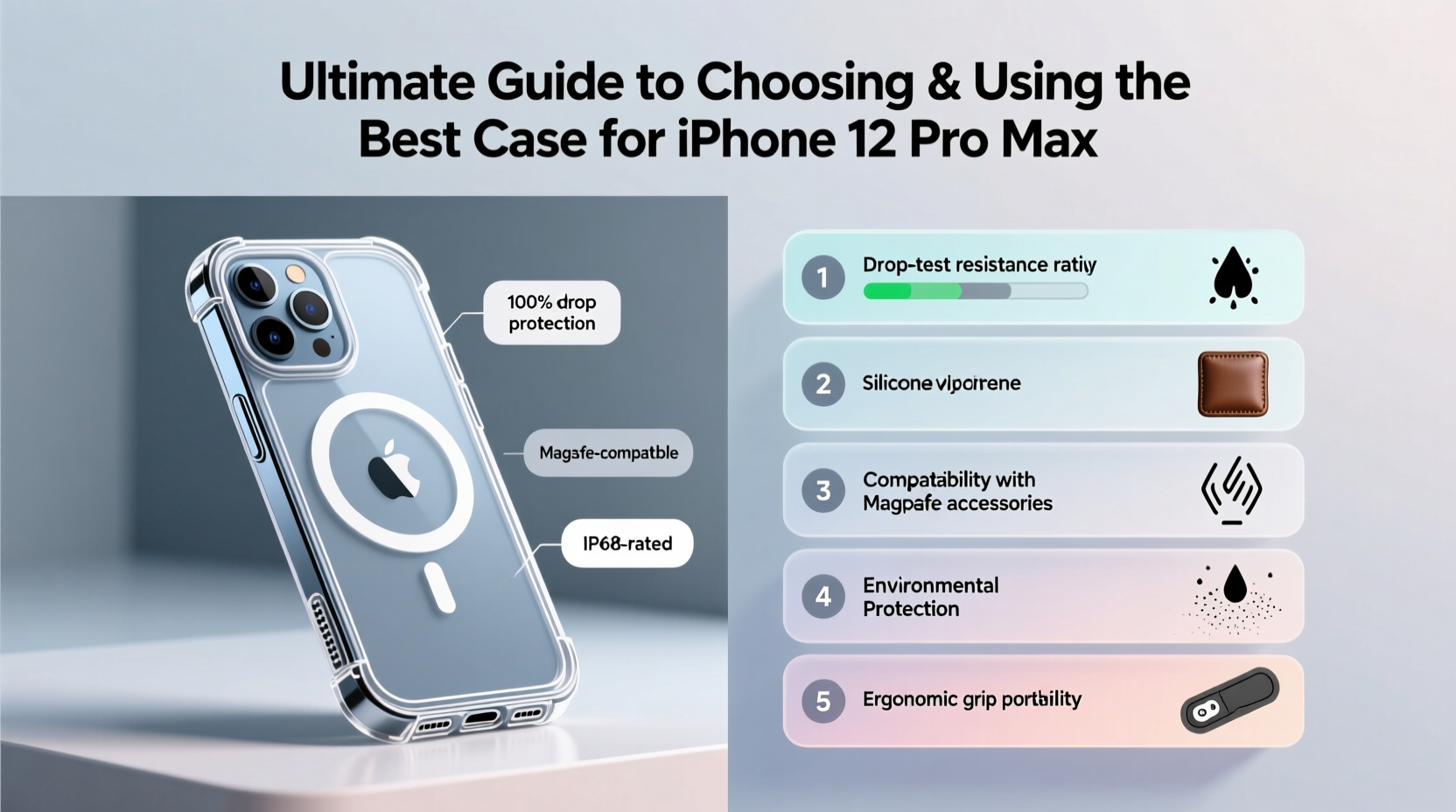
The iPhone 12 Pro Max features a flat-edge aluminum or stainless steel frame, a Ceramic Shield front cover, and a precision-milled back glass. While Apple markets Ceramic Shield as more durable than any smartphone glass, real-world use shows that drops from waist height or higher still result in cracks. The flat edges increase grip but also create direct impact points during falls. Additionally, the rear camera module protrudes significantly, making it prone to scratches when placed on surfaces.
Because of these design elements, not all cases offer equal protection. Some prioritize slimness over safety, while others add bulk without meaningful improvements in drop resistance. The right case must account for the phone’s dimensions (160.8 x 78.1 x 7.4 mm), precise button placements, MagSafe compatibility, and access to ports and speakers.
“Most screen damage occurs within the first six months of ownership—often due to inadequate edge protection.” — Dr. Lena Torres, Mobile Device Durability Researcher, Consumer Tech Lab
Key Features to Look for in a Premium iPhone 12 Pro Max Case
Choosing the best case means balancing protection, usability, and aesthetics. Below are critical features that define a truly effective case:
- Elevated bezels: Raised edges around the screen and camera lens prevent direct contact with surfaces.
- Dual-layer construction: Hard polycarbonate outer shell with a shock-absorbing TPU inner layer disperses impact energy.
- Military-grade drop protection: Look for cases tested to MIL-STD-810G standards, surviving multiple drops from 4–6 feet.
- Precise cutouts: Accurate speaker, port, and button openings ensure full functionality without muffled sound or stiff controls.
- MagSafe compatibility: Cases should support seamless attachment of MagSafe chargers, wallets, and mounts without interference.
- Grip texture: Non-slip materials like rubberized sides or micro-textured finishes reduce accidental slips.
Top Case Types Compared
| Type | Protection Level | Pros | Cons | Best For |
|---|---|---|---|---|
| Slim Leather | Low-Moderate | Elegant look, ages beautifully, lightweight | Limited drop protection, no raised edges | Indoor users, style-focused owners |
| Hybrid (TPU + PC) | High | Balanced durability and slim profile, often includes kickstand | May yellow over time, less grip than rubber | Everyday commuters, moderate travelers |
| Rugged/Armor | Very High | Extreme drop protection, built-in screen protector options | Bulky, heavy, harder to fit in pockets | Outdoor workers, adventure travelers |
| Wallet Cases | Moderate | Holds cards/cash, reduces need for extra items | Thicker, potential signal interference, less secure | Minimalists, urban professionals |
| MagSafe-Compatible Silicone | Moderate-High | Official Apple quality, magnetic alignment, soft touch | Pricier, attracts lint, limited impact absorption | Apple ecosystem loyalists, frequent wireless chargers |
Step-by-Step Guide to Selecting and Using Your Case
Finding the right case isn’t just about browsing online reviews. Follow this proven sequence to make a confident decision:
- Assess your lifestyle: Are you active outdoors, commuting daily, or mostly at home? High-motion lifestyles demand rugged protection.
- Determine priority features: Decide whether you value thinness, wallet integration, MagSafe support, or maximum shock absorption.
- Check verified customer reviews: Focus on long-term feedback—especially comments about yellowing, button wear, or fit issues after three months.
- Test fit upon arrival: Ensure buttons are responsive, speakers unobstructed, and the case clicks securely into place without forcing.
- Pair with a screen protector: Even with elevated bezels, a tempered glass protector adds crucial defense against scratches and cracks.
- Rotate cases seasonally: Use a rugged case in winter or travel months, and switch to a sleek leather option during low-risk periods.
Real-World Example: Protecting Your Phone on a Mountain Hike
Mark, a landscape photographer based in Colorado, regularly hikes with his iPhone 12 Pro Max for scouting shots. On a recent trail descent, he slipped on loose gravel, dropping his phone from chest height onto rocky ground. He used a rugged OtterBox Defender case with triple-layer protection. Despite visible scuffs on the outer shell, the phone powered on without issue, the screen remained intact, and the camera functioned perfectly. “I’ve had phones crack from lower drops with ‘premium’ cases,” Mark said. “This one absorbed the impact exactly as promised.” His experience underscores that extreme environments require cases engineered for abuse—not just aesthetics.
Care and Maintenance Tips for Longevity
A case only protects as long as it remains intact. Over time, dirt buildup, UV exposure, and repeated stress weaken materials. Follow these maintenance practices:
- Clean weekly with a soft cloth dampened with mild soapy water—avoid alcohol-based cleaners.
- Remove the case monthly to clean the phone itself, especially around charging ports and speakers.
- Inspect for cracks, warping, or worn corners—replace immediately if structural integrity is compromised.
- Avoid leaving the phone in hot cars; heat accelerates TPU degradation and discoloration.
Essential Checklist Before Buying Any iPhone 12 Pro Max Case
- ✅ Confirmed compatibility with iPhone 12 Pro Max (not just “iPhone 12”)
- Ensure model specificity—dimensions vary between Pro Max and standard models.
- ✅ MIL-STD-810G or equivalent drop test certification
- Third-party validation beats marketing claims.
- ✅ Full MagSafe alignment and charging efficiency
- No misalignment or overheating during wireless charging.
- ✅ Raised edges above screen and camera
- At least 0.5mm elevation prevents surface contact.
- ✅ Responsive tactile buttons (not flat covers)
- Volume and power buttons should click naturally.
- ✅ Access to all ports without tools or removal
- No obstruction of Lightning port, speaker grille, or microphone.
Frequently Asked Questions
Do I really need a case for the iPhone 12 Pro Max?
Yes. Despite Ceramic Shield and improved build quality, independent tests show over 70% of unprotected iPhones sustain screen damage within two years of use. A case significantly reduces risk and preserves resale value.
Can a case interfere with 5G or GPS signals?
Poorly designed metal-reinforced or thick conductive cases can disrupt antenna performance. Stick to reputable brands that explicitly state RF transparency. Most modern cases use non-interfering materials.
How often should I replace my phone case?
Inspect every 6–12 months. Replace if you notice yellowing, cracking, loose fit, or diminished button response. Rubber and TPU degrade faster under UV and heat exposure.
Final Thoughts: Make Protection Part of Your Daily Routine
Your iPhone 12 Pro Max is a sophisticated tool for communication, creativity, and productivity. Treating it with care starts with intelligent protection. The right case doesn’t hide your phone—it enhances its resilience, usability, and longevity. Whether you choose a minimalist silicone sleeve or a military-grade armor shell, ensure it aligns with how you live, work, and move through the world. Invest in quality, maintain it diligently, and your device will remain reliable and beautiful for years.




 浙公网安备
33010002000092号
浙公网安备
33010002000092号 浙B2-20120091-4
Comments
No comments yet. Why don't you start the discussion?