
In hip hop culture, jewelry isn’t just an accessory—it’s a statement. Among the most iconic pieces is the iced out bracelet, a symbol of success, confidence, and personal flair. But with countless options flooding the market, from mass-produced knockoffs to handcrafted masterpieces, finding the right one demands more than just taste. It requires knowledge of materials, construction, design nuance, and authenticity markers. This guide cuts through the noise, giving you the tools to select a bracelet that reflects your style, withstands time, and holds its value.
Understanding What Makes a True Iced Out Bracelet
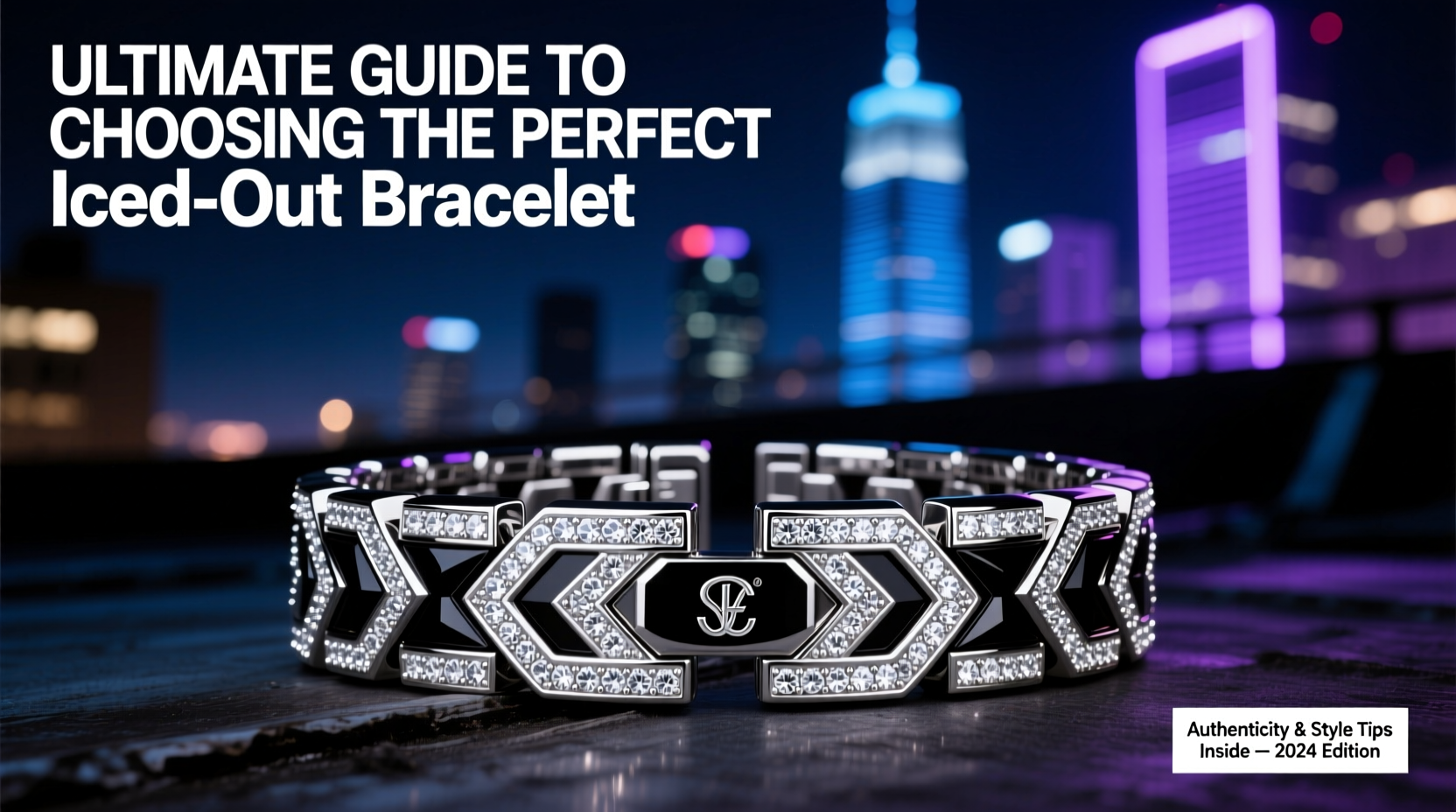
An “iced out” bracelet refers to a piece densely set with high-quality stones—typically diamonds or premium simulants—that create a continuous sparkle across the surface. Unlike simple chain bracelets, these are engineered for maximum visual impact. The best versions balance boldness with precision, where every stone is secured in a way that enhances durability without sacrificing brilliance.
The foundation lies in the metal. Solid gold (14k or 18k) remains the standard for serious collectors, offering both weight and longevity. Stainless steel with thick plating is a budget-friendly alternative, but only if it's built to resist chipping and tarnishing. Hollow chains may look flashy at first glance but often lack structural integrity and can dent or break easily.
Key Factors: Style, Fit, and Wearability
Style should align with both personal identity and lifestyle. Consider these elements when selecting your piece:
- Chain Type: Cuban links offer rugged elegance; Figaro chains provide classic symmetry; rope chains add fluid movement. Each carries a different energy.
- Width: Thinner bracelets (6–8mm) suit daily wear and layering; wider ones (10mm+) make bolder statements, ideal for special occasions.
- Length: A snug fit prevents slippage, while a looser fit allows stacking. Measure your wrist and add 0.5 to 1 inch depending on preference.
- Stone Setting: Micro pave settings deliver seamless sparkle; prong settings allow more light entry but require careful handling.
For versatility, many men opt for a medium-width Cuban link in yellow or white gold, fully encrusted with VS clarity stones. This style transitions seamlessly from streetwear to formal events.
“Authentic iced out jewelry doesn’t shout—it commands attention through craftsmanship.” — Marcus Bell, Jewelry Designer & Hip Hop Stylist
How to Spot Quality Craftsmanship
Not all bling is created equal. High-end pieces use precise techniques that ensure longevity and brilliance. Look for these indicators of superior construction:
| Feature | High Quality | Avoid |
|---|---|---|
| Metal Thickness | Solid, heavy feel; walls ≥1.2mm | Thin, lightweight, easily bent |
| Stone Setting | Even spacing, no gaps, secure setting | Loose stones, visible glue, uneven alignment |
| Clasp | Secure lobster or box clasp with safety latch | Flimsy spring ring or magnetic closures |
| Finish | Polished, consistent shine; no pitting | Dull spots, rough edges, discoloration |
A well-made bracelet should feel substantial in hand—not so heavy it strains the wrist, but solid enough to convey permanence. Run your finger along the surface; any snagging or roughness indicates poor finishing.
Authenticity: How to Avoid Fakes and Overpaying
The market is saturated with replicas marketed as “real” or “certified.” Protect your investment by verifying authenticity before purchase.
First, demand documentation. Reputable sellers provide certificates of authenticity, especially for diamond-studded pieces. These should include gemological details like carat weight, cut, clarity, and metal composition. For lab-grown diamonds, certification from GIA or IGI adds credibility.
Second, examine under magnification. Real diamonds reflect light sharply with distinct fire and scintillation. Cubic zirconia tends to be overly bright with a rainbow-like flash, while glass imitations appear cloudy. Use a jeweler’s loupe or smartphone macro lens to inspect stone settings—glue residue or poorly cut facets are red flags.
Third, test the metal. At-home kits can detect gold purity, but for peace of mind, visit a local pawn shop or appraiser for a non-destructive XRF test. Be wary of items labeled “gold-plated” unless you’re clear about the base metal underneath.
Real Example: Choosing Wisely in Miami
Jamal, a rising artist from Atlanta, traveled to Miami during Music Week looking for his signature piece. He was offered two nearly identical 10mm iced-out Cuban link bracelets—one for $2,200, the other for $8,500. The cheaper option had no certification, a weak clasp, and stones that looked slightly foggy under sunlight. The pricier one came with IGI certification, a lifetime warranty, and a maker’s mark inside the clasp. After consulting a local jeweler, Jamal learned the cheaper version used low-karat gold plating over brass and simulated stones. He invested in the authentic piece, which has since become part of his brand image and even appreciated in resale value.
Your Buying Checklist: 7 Steps to the Perfect Bracelet
Follow this step-by-step checklist before making a purchase:
- Determine your budget – Set a realistic range based on material and stone quality.
- Choose your metal – Decide between solid gold, platinum, or high-grade stainless steel.
- Select a chain style – Pick one that complements your wardrobe and wrist size.
- Verify stone type – Confirm whether they’re natural diamonds, lab-grown, or high-end simulants.
- Inspect craftsmanship – Check weight, finish, clasp strength, and stone setting.
- Ask for certification – Ensure documentation matches the product description.
- Buy from a trusted source – Prefer jewelers with reviews, warranties, and return policies.
Frequently Asked Questions
Can I wear my iced out bracelet every day?
Yes, but with caution. Solid gold and platinum bracelets are durable enough for daily wear if cleaned regularly and removed during heavy labor or swimming. Avoid exposure to chlorine, sweat, and harsh chemicals to maintain shine and prevent stone loosening.
What’s the difference between lab-grown and natural diamonds in iced out jewelry?
Lab-grown diamonds are chemically identical to mined diamonds but typically cost 30–40% less. They offer the same brilliance and hardness, making them a smart choice for those seeking luxury without the premium price tag. Both types should come with certification.
How do I clean and maintain my bracelet?
Soak in warm water with mild dish soap for 15 minutes weekly. Gently scrub with a soft toothbrush, rinse, and dry with a lint-free cloth. For deep cleaning, use an ultrasonic cleaner sparingly and only if the stones are securely set.
Final Thoughts: Invest in Legacy, Not Just Looks
A truly great iced out bracelet transcends trend. It becomes part of your identity—something passed down, remembered, or recognized as a hallmark of your journey. Choosing one isn’t about chasing sparkle; it’s about selecting a piece built with intention, integrity, and artistry. When you prioritize quality over quantity, authenticity over illusion, you don’t just buy jewelry—you build legacy.




 浙公网安备
33010002000092号
浙公网安备
33010002000092号 浙B2-20120091-4
Comments
No comments yet. Why don't you start the discussion?